China Is AI-Maxxing

Our read
The West assumed export bans on high-end chips would freeze Chinese AI in the stone age. Instead, it forced them to build hyper-efficient, dirt-cheap models that are commoditizing intelligence while US labs spend billions training safety-aligned monoliths.


What happened
Foreign Policy reports that Chinese tech giants and startups are shipping high-performing, dirt-cheap AI models like DeepSeek and Alibaba's Qwen, aggressively closing the gap with Silicon Valley by leveraging open-source architectures and hyper-efficient compute strategies.
The brief
The real threat to Silicon Valley isn't a superintelligence gap; it's being underpriced by a competitor that doesn't spend half its compute budget on HR-approved safety filters.
The sides
- Silicon Valley Gatekeepers
American AI labs require massive capital, proprietary safety guardrails, and state-of-the-art Nvidia chips to maintain a permanent lead.
- China Open Source Challengers
Hyper-efficient engineering and open-source models can bypass Western export controls and commoditize intelligence at a fraction of the cost.
Why now
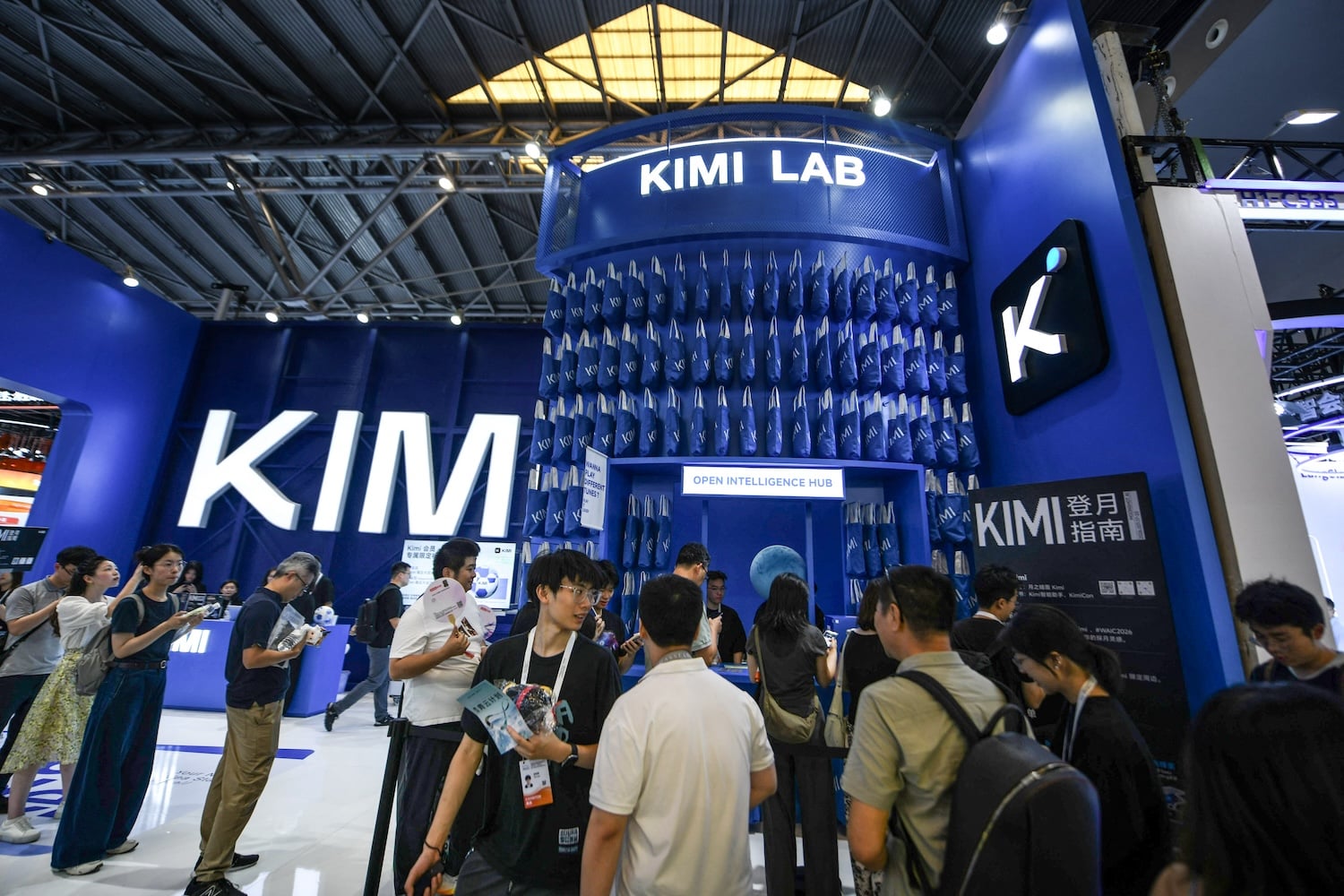
A major Foreign Policy feature detailing the rapid rise of Chinese models like Kimi and Qwen has triggered intense debate among tech investors and national security analysts over the effectiveness of US chip sanctions.
Questions
How did China bypass the US export bans on high-end Nvidia chips?
Chinese tech firms bypassed US chip bans by mastering algorithmic efficiency and squeezing maximum performance out of older, readily available hardware. Instead of relying on brute-force compute like Silicon Valley, companies like Alibaba and DeepSeek optimized open-source architectures to train highly capable models with a fraction of the processing power. They also secured restricted chips through third-party cloud providers and gray-market smuggling networks in Southeast Asia.
Why are Chinese AI models like DeepSeek and Qwen suddenly beating US models on cost?
Chinese AI models are cheaper because they are built on hyper-efficient Mixture-of-Experts architectures that only activate a fraction of the model's parameters for any given query. While US labs spend billions training massive, general-purpose monoliths weighed down by heavy safety-alignment layers, Chinese developers focus on lean, task-specific efficiency. This allows them to offer API access at a fraction of the price of OpenAI or Google, commoditizing raw intelligence.
What is the national security risk of China dominating open-source AI?
The national security risk is that China is positioning itself as the default operating system for the global South and developing economies. By releasing highly capable, dirt-cheap open-source models, Beijing is creating systemic dependency on Chinese tech ecosystems. This allows them to export their digital governance standards, control global data flows, and bypass western-aligned safety guardrails entirely.
Are US chip sanctions on China actually working or have they backfired?
US chip sanctions succeeded in blocking China from building massive, frontier-level supercomputers, but they backfired by forcing Chinese engineers to become masters of efficiency. By restricting access to Nvidia's top-tier silicon, the US inadvertently incentivized a massive domestic chip design boom and forced software developers to write hyper-optimized code. The result is a highly resilient Chinese AI ecosystem that no longer relies on American hardware roadmaps.
How does the Chinese government's censorship regime affect their AI capabilities?
Beijing's strict censorship regime acts as a performance tax on their consumer-facing models, but it has not stopped their underlying technical progress. Developers must dedicate significant compute and training cycles to ensure models comply with socialist values and state-approved narratives. However, this has also made Chinese engineers incredibly adept at fine-tuning and alignment, skills they easily transfer to industrial, scientific, and military AI applications where political censorship is irrelevant.
Receipts
Related dispatches
- The Open-Source CapitulationWestern software cartels spent years trying to build a toll booth at the entrance of frontier AI, but cheap Chinese open-weights models have permanently broken the gate, forcing US tech giants into a defensive open-source alliance.
- The Cheap Chinese AI Trap and the Race for American ComputeSubsidized Chinese AI is the new cheap manufacturing trap. Beijing is deliberately underpricing its API compute to hook Western startups on their pipeline, harvesting valuable user data and crippling American infrastructure incentives before our domestic capacity can scale.
- The DeepSeek cop-out and the delusion of a soft AI leadThe sudden media pivot to framing China's AI gains as a win for global consumer choice is a dangerous coping mechanism designed to excuse the West's regulatory self-sabotage.
- China's Kimi Proves the AI Moat is a IllusionThe Silicon Valley consensus assumed that hoarding H100s was an impenetrable moat. China's Kimi proves that when you starve a competitor of hardware, they don't quit, they just write better code, turning a hardware bottleneck into an optimization masterclass.
- China's Underground AI Chip HustleWashington's export controls are operating on a 20th-century map of physical borders, completely ignoring that silicon is liquid and compute can be rented through a shell company with a credit card.
- The Open-Weight AI Shield Against Chinese DominanceThe closed-source safety cartel wanted to lock down AI development under the guise of national security, but their hoarding only created a vacuum for Chinese labs to fill. Open-weight models are not a security risk; they are the West's only viable defense strategy to mobilize millions of developers before Beijing sets the global standards.