
Disney's Ozzy Fox Slop Controversy

Our read
The world's richest IP empire is cutting corners with generative slop because corporate executives genuinely cannot tell the difference between human artistry and a statistical average of the internet. When you treat your audience like mindless consumers, they will notice when you feed them kibble.


What happened
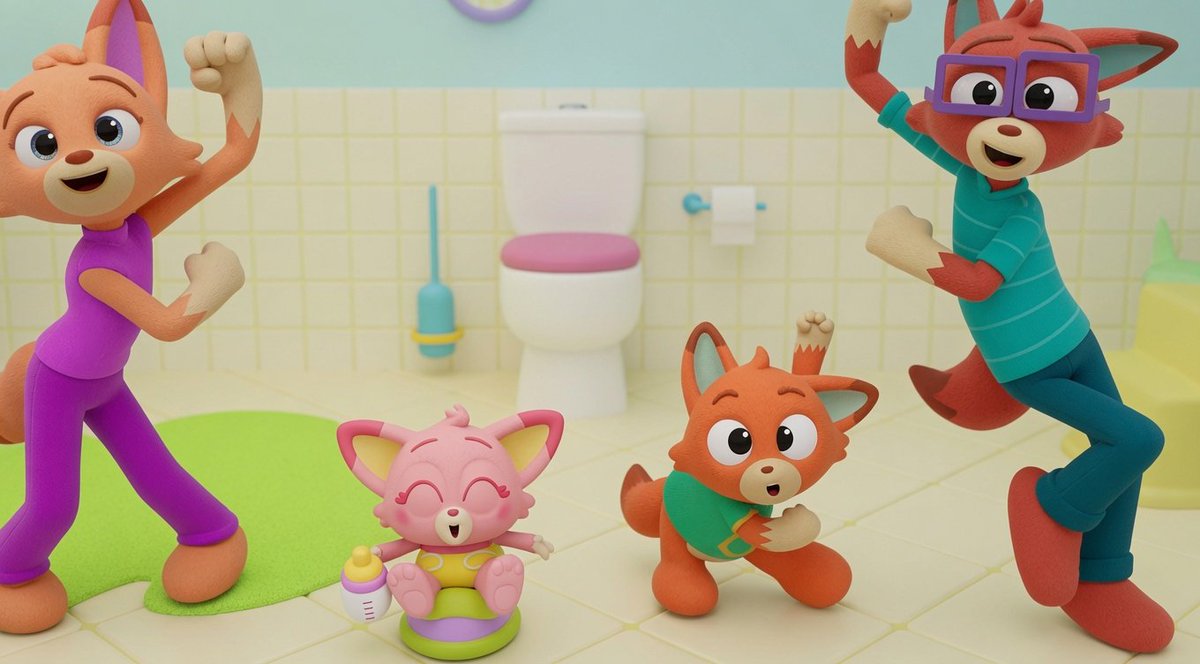
Disney's new mascot, Ozzy Fox, has sparked a massive online backlash as viewers accuse the entertainment giant of using cheap, soul-crushing AI-generation tools to design its promotional art.
The brief
Disney has spent billions buying up cultural legacy only to render it down into cheap, automated filler. It is a systems failure of creative leadership.
Key findings
Disney's Ozzy Fox promo art is getting shredded across creative trade and fan feeds because the anatomical glitches make the AI-slop charge impossible to shrug off.
The sides
- Corporate Studios
Generative assets and AI-assisted pipelines are necessary to scale content production efficiently.
- The Audience
Multi-billion-dollar studios using cheap, unpolished generative art is an insult to paying fans.
Why now
A multi-billion-dollar studio just handed the internet a cartoon fox with broken anatomy, and the creative trades are treating it as proof that legacy IP houses will ship generative filler while fans still pay legacy prices.
Questions
What is the Ozzy Fox controversy at Disney?
Disney released promotional art for its new mascot, Ozzy Fox, that features glaring anatomical glitches characteristic of cheap generative AI tools. Fans and professional animators quickly spotted deformed limbs, inconsistent line weights, and nonsensical background details. This triggered a massive backlash against the studio for cutting corners on its core asset: high-quality character design.
Why are fans so angry about Disney using AI for character art?
Audiences are rejecting the corporate attempt to charge premium prices for automated, soul-crushing filler. Disney built its multi-billion-dollar empire on the backs of legendary human animators, yet current executives seem comfortable replacing that heritage with statistical averages of the internet. The backlash is a direct rejection of being treated like mindless consumers who will swallow whatever digital kibble the studio feeds them.
How do we know the Ozzy Fox art was generated by AI?
The promotional images contain classic generative AI artifacts that no professional human illustrator would produce. These include fingers merging into the background, asymmetrical clothing details that defy physics, and floating line segments. While Disney has not officially commented, the structural errors are identical to the output of unrefined text-to-image models.
Who benefits from Disney using generative AI in its promotional campaigns?
Mid-level corporate executives and finance teams benefit in the short term by slashing budgets and bypassing human artists. By automating the creative pipeline, they can hit quarterly cost-cutting targets and speed up production cycles. The long-term cost, however, is the systematic destruction of Disney's brand equity and creative authority.
What is the strongest counter-argument in defense of Disney's approach?
Defenders of the studio argue that generative AI is simply a modern efficiency tool meant to handle high-volume promotional assets, not the final theatrical animation. They claim that using AI for minor marketing campaigns frees up human artists to focus on core feature films. However, this defense ignores the reality that every public-facing asset defines a brand's standard of quality.
What happens next for Disney's creative pipeline?
Disney will likely double down on stealth AI integration while training its marketing teams to better clean up the obvious anatomical errors before release. The studio cannot easily abandon generative tools due to intense pressure from shareholders to cut overhead. Expect future campaigns to use hybrid workflows where human touch-up artists are hired specifically to hide the machine's mistakes.
Receipts
Related dispatches
- AI Slop and the Content DelugeThe internet is drowning in AI slop, not because the tech is inherently evil, but because platforms and publishers are actively incentivizing a content sewage system that rewards volume over anything resembling value.
- Elon Musk's AI OdysseyThe media's panic over Musk's 'AI remake' threat misses the real shift: the legacy entertainment pipeline has become so formulaic and hollow that a theoretical prompt-engineered epic actually sounds more compelling to audiences than another expensive, focus-grouped Hollywood disaster.
- The Supergirl Disaster: Box Office Bomb Meets AI Cover-UpWarner Bros. turned a standard $250 million box office bomb into a historic PR disaster by accidentally broadcasting their use of generative AI for character design, then clumsily trying to memory-hole the evidence when fans noticed.
- The AI Midwit TrapThe corporate lie of AI as a harmless co-pilot is collapsing first for the people who actually use it. If your daily output can be replicated by a prompt engineered by a junior staffer, you are not being upskilled; you are being offboarded.
- Asmongold on the Disneyfication of WarcraftThe systematic castration of Western fantasy video games is not an accident of bad writing, but a calculated corporate strategy to trade dark, player-driven worlds for sanitized, HR-approved cartoon slop designed to shield executives from litigation.
- Clout-Bait Casting and Deceptive Trailer MarketingHollywood has financialized celebrity likenesses into pure clickbait, treating A-list actors like speculative meme coins to pump opening-weekend numbers before the audience realizes they bought a ticket for a glorified cameo.