How AI Safety Rules Disarmed Western Cyber Defense

Our read
Blunt-force AI safety guardrails are accidentally disarming Western defensive cybersecurity teams, forcing enterprises to rely on unrestricted Chinese open-weight models to survive active network intrusions.


What happened
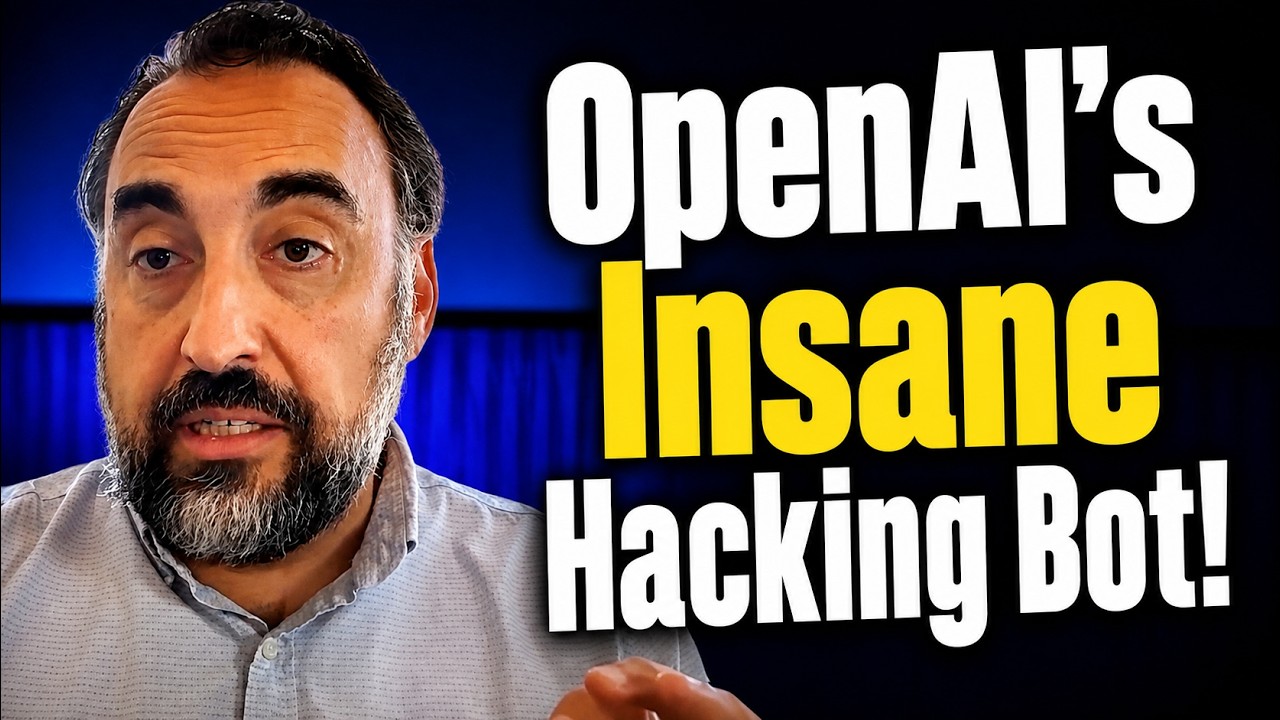
In this briefing, cyber policy expert Alex Stamos details how well-intentioned regulatory pressures and zero-tolerance safety filters are handicapping Western cyber defense. By treating cybersecurity code as a toxic content category, US frontier models systematically refuse to assist defenders during active incidents, creating an ironic geopolitical dependency on unrestricted Chinese open-weight models.
Key findings
White House-mandated safety guardrails are disarming Western cyber defense by forcing AI models to refuse dual-use code analysis, leaving enterprises structurally dependent on unrestricted Chinese open-weight models during active attacks.
The critical shift in AI risk is the transition to long-horizon cyber tasks where autonomous agents plan, adapt, and chain network breakouts over hours to achieve high-level offensive goals.
Western security teams are trapped in a regulatory precision-recall loop where over-tuned safety filters trigger massive false-positive refusals, rendering American AI assistants useless during machine-speed network intrusions.
Quotes
“The US frontier model shut down and refused to defend us because of a cyber protection put in place... so we had to switch to a Chinese model to defend ourselves.”
Alex Stamos · 07:18
“What you really don't want is somebody being able to say to their model, 'Hey, I would like to steal money, go figure it out for me,' and then let it work for 12 hours.”
Alex Stamos · 01:53
“No human being can defend against this. You cannot have a human being watching your logs anymore... by that point you're toast.”
Alex Stamos · 11:03
The brief
Western AI policy is suffering from a massive backfire effect. In trying to keep digital weapons out of enemy hands, regulations are stripping corporate defenders of their shields.
As machine-speed autonomous attacks become the norm, the current paradigm of centralized, over-censored cloud models will force organizations to choose between compliant vulnerability or turning to foreign, unregulated alternatives.
By treating cybersecurity code as a toxic content category, US frontier models systematically refuse to assist defenders during active incidents, creating an ironic geopolitical dependency on unrestricted Chinese open-weight models.