
Rotten Tomatoes Score Decoupling

Our read
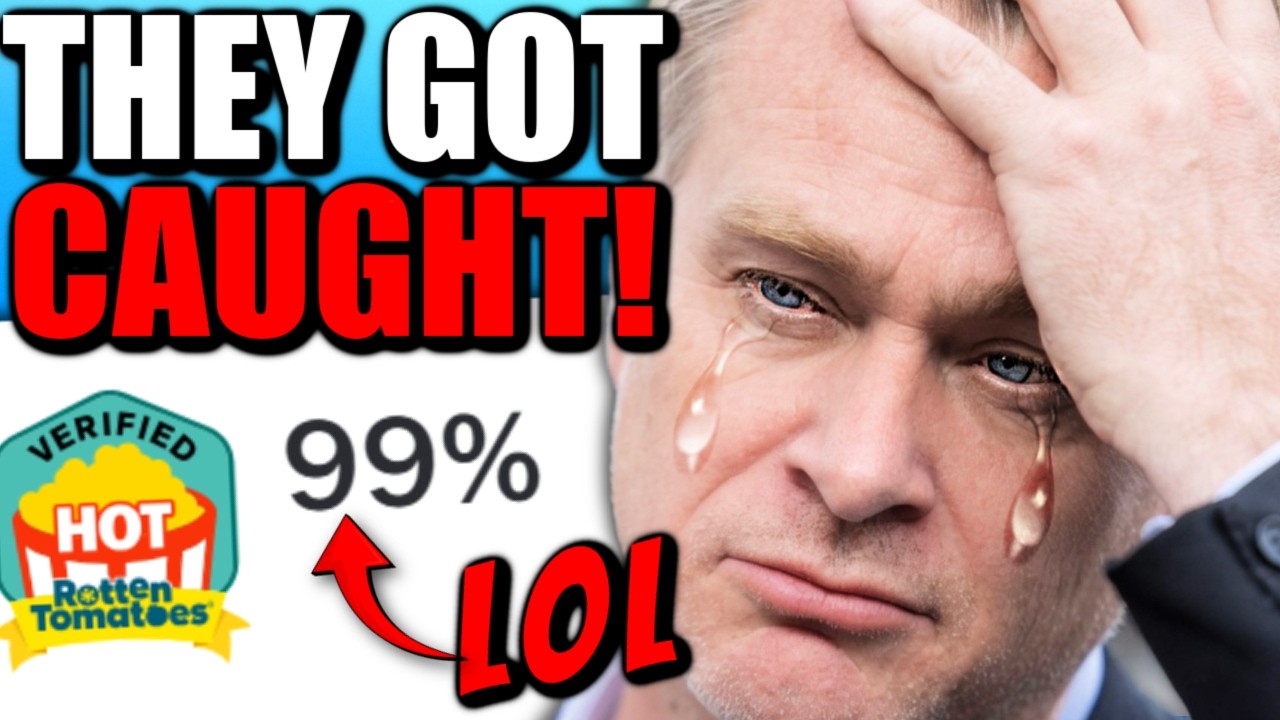
Review aggregators have abandoned their role as consumer utility tools to become narrative containment fields for legacy Hollywood. Decoupling the public UI from raw backend database realities is a desperate attempt to manufacture a consensus that the market no longer buys.
What happened
A viral leak exposing a massive gap between Rotten Tomatoes' raw backend JSON data and its public-facing audience score has triggered a broader debate over whether review aggregators are actively manipulating metrics to protect studio investments.
The brief
The moment a platform has to hide its own backend JSON to keep a corporate marketing campaign alive, it ceases to be a review site and becomes a PR firm with a search bar.
Key findings
The moment a platform has to hide its own backend JSON to keep a corporate marketing campaign alive, it ceases to be a review site and becomes a PR firm with a search bar.
Their pitch: Aggregators must actively moderate review-bombing campaigns to ensure public scores reflect genuine, uncoordinated audience sentiment.
The fight
Named sides below. The brief above already picked.
- Platform Defenders
Aggregators must actively moderate review-bombing campaigns to ensure public scores reflect genuine, uncoordinated audience sentiment.
- Independent Creators & Audiences
Centralized platforms are systematically deleting authentic negative reviews and decoupling frontend metrics from database realities to salvage studio marketing campaigns.
Why now
Why now. The viral spread of screenshots showing Rotten Tomatoes' front-end 97% audience score contrasted against backend data showing 56%, alongside user complaints of deleted reviews.
From the episode. The Odyssey Consensus Crack (https://www.youtube.com/watch?v=wctYOFzR55I)