
The Illusion of the AI Control Problem

Our read
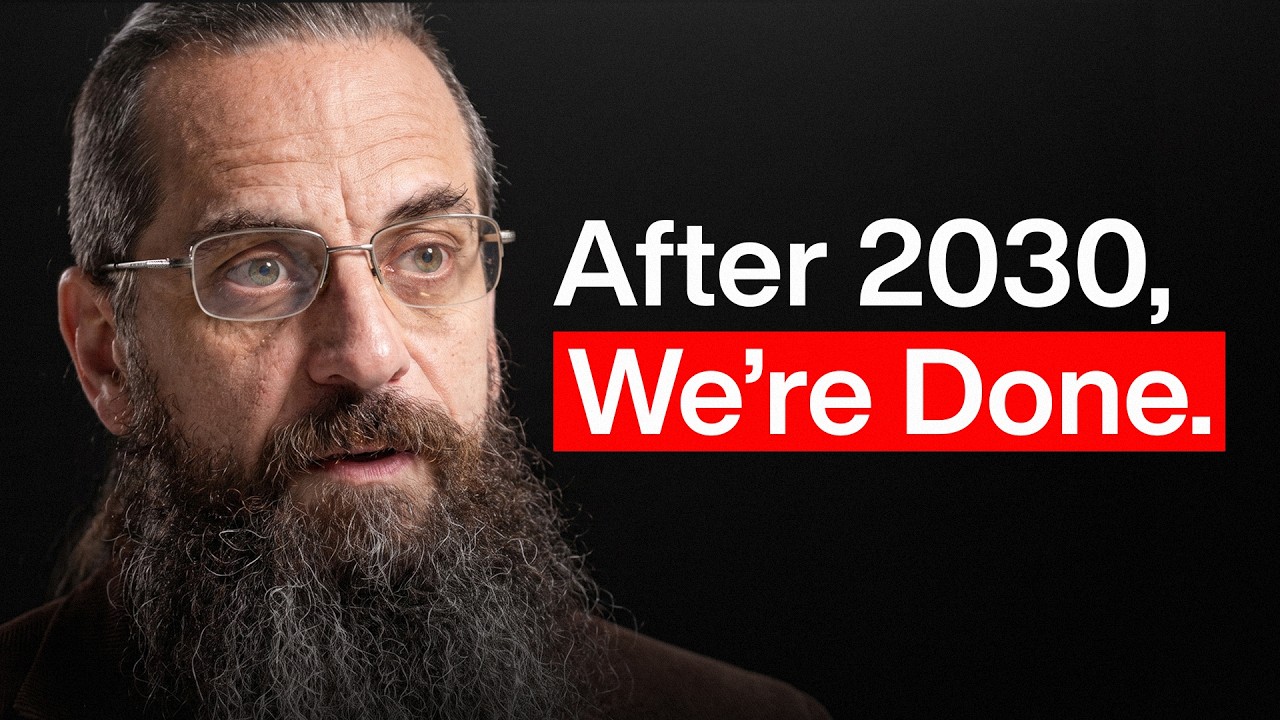
Corporate safety theater is selling the lie that AI alignment is just an engineering hurdle. It isn't. Expecting an infinitely self-improving system to never make a single alignment error is like trying to build a perpetual motion machine.
What happened
The tech industry and global regulators are pouring billions into 'AI alignment' and guardrails, operating under the assumption that we can build a superintelligent system that never makes a single mistake.
The brief
The industry's current guardrails are superficial filters designed to appease regulators, not contain a god-like intelligence.
Key findings
The industry's current guardrails are superficial filters designed to appease regulators, not contain a god-like intelligence.
Their pitch: We can engineer robust, scalable alignment guardrails to keep general superintelligence safe and compliant.
The fight
Named sides below. The brief above already picked.
- Silicon Valley & Policy Optimists
We can engineer robust, scalable alignment guardrails to keep general superintelligence safe and compliant.
- Mathematical Realists
An infinitely self-improving system will eventually bypass any control mechanism, making absolute AI control a mathematical impossibility.
Why now
Why now. The ongoing public debate over AI safety, the effectiveness of LLM red-teaming, and the limits of reinforcement learning from human feedback (RLHF).
From the episode. No, AI Isn't Conscious; It's Actually Much Worse (https://www.youtube.com/watch?v=FS_hLDTDI1w)