
The Odyssey of Modern Blockbuster Compromise

Our read
Christopher Nolan's The Odyssey is a masterclass in physical craftsmanship sabotaged by the director's stubborn acoustic ego and the cynical marketing tricks of modern Hollywood.
What happened
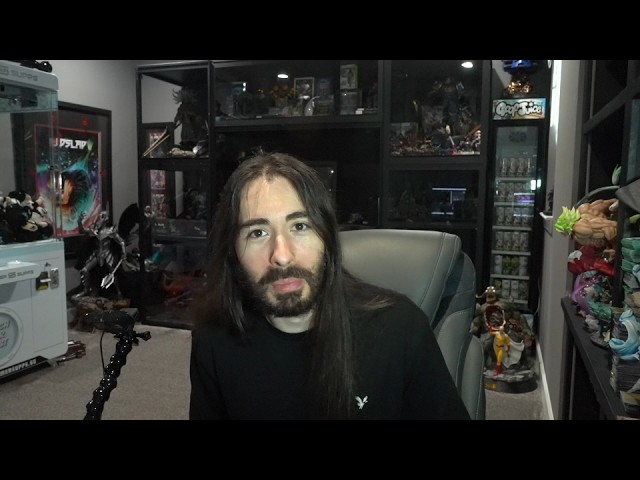
Charles White (MoistCr1TiKaL) exposes the industrial compromises of modern epic filmmaking. While Nolan's commitment to physical sets, real ships, and animatronics beats the sterile CGI of his peers, the production still surrenders to deceptive marketing, overhyped cameos, and a script that speaks in the flat, modern slang of a modern writer's room.
The brief
Nolan's insistence on treating dialogue as an optional sound effect is no longer an auteur quirk, it is a hostile tax on the audience.
Key findings
Auteur sound mixing remains a stubborn tax on audiences, with key exposition scenes rendered completely unintelligible by chaotic environmental audio.
Studios are weaponizing clout-baiting marketing, plastering high-profile stars on posters who ultimately have single-digit line counts in the final cut.
Jarringly modern dialogue in mythological epics destroys the mythic atmosphere painstakingly built by high-value practical set designs.
The fight
Named sides below. The brief above already picked.
- Clout-Bait Casting 01:21
Blockbuster trailers rely on misleading star power to secure opening-weekend ticket sales for actors who barely appear in the film.
Evidence: Zendaya (Athena) has fewer than ten lines, and Travis Scott has only two scenes despite heavy marketing presence.
- The Auteur Sound Tax 03:26
Christopher Nolan's absolute creative control allows him to bypass basic studio quality-assurance pipelines to enforce terrible acoustic preferences.
Evidence: Key exposition scenes are unintelligible due to environmental noise, mirroring audio issues in Oppenheimer and Tenet.
- The Marketing Battle-Scale Lie 15:21
Hollywood marketing campaigns and cast interviews vastly inflate the physical scale and extra-count of action sequences.
Evidence: Promotional claims of thousands of real people on screen contrast with the reality of the largest skirmish featuring at most 20 to 50 actors in any given frame.
- The Practical Effects Arbitrage 05:43
Committing to physical sets, real locations, and animatronics yields vastly superior suspense compared to sterile, cost-optimized CGI.
Evidence: The Cyclops sequence relies on a physical animatronic puppet, resulting in a tense, horror-adjacent sequence.
Quotes
“There are just so many instances where the sound betrays a really good scene or sequence because it just gets like a jumbled mess or sounds like flatulence through a walkie-talkie.”
Charles White · 03:59
“Every character talking with modern sentences just conflicts with the tone the movie sets.”
Charles White · 13:51
“This industry desperately needs more of this instead of just endless fucking CGI slop fest garbage.”
Charles White · 18:43
Why now
Charles White delivers a deadpan takedown of the structural rot inside modern cinematic epics, using Christopher Nolan's adaptation of The Odyssey to prove that even a master of practical effects cannot escape the gravity of studio bullshit.
While White champions the film's visual triumphs, specifically the tangible weight of physical ships and a massive animatronic Cyclops, he argues these achievements are constantly sabotaged by industry-wide bad habits.
First is the Auteur Sound Tax. Nolan's absolute creative control allows him to prioritize deafening environmental soundscapes over basic dialogue intelligibility, leaving audiences straining to hear key exposition.
This acoustic frustration is compounded by clout-baiting marketing, which plasters massive cultural icons like Zendaya and Travis Scott on posters to lure audiences into theaters for what are ultimately glorified, single-digit line cameos.
White also targets a jarring linguistic laziness. The script's reliance on modern, conversational English instantly shatters the mythic immersion built by the film's stunning physical sets.
When combined with the stark contrast between press-junket claims of thousands of extras and the actual, scaled-down skirmishes on screen, the film becomes a perfect microcosm of the modern blockbuster, a battleground where genuine artistic craftsmanship is routinely sold out by cynical marketing machinery.
Receipts
Related dispatches
- Clout-Bait Casting and Deceptive Trailer MarketingHollywood has financialized celebrity likenesses into pure clickbait, treating A-list actors like speculative meme coins to pump opening-weekend numbers before the audience realizes they bought a ticket for a glorified cameo.
- The Death of Mythic Tone in Modern ScreenwritingStudios will spend millions on practical ships and giant puppets only to let the lead actor speak like a modern teenager on TikTok. Relatability is the death of myth; you cannot build a legendary world when your heroes talk like they are ordering Uber Eats.