
The Perverse Economics of Civil Rights Lawfare

Our read
High-profile activists are systematically wrecking criminal investigations by dangling five-figure bounties for convictions before forensics can even dry, turning the hunt for truth into a competitive bidding war for narrative supremacy.
What happened
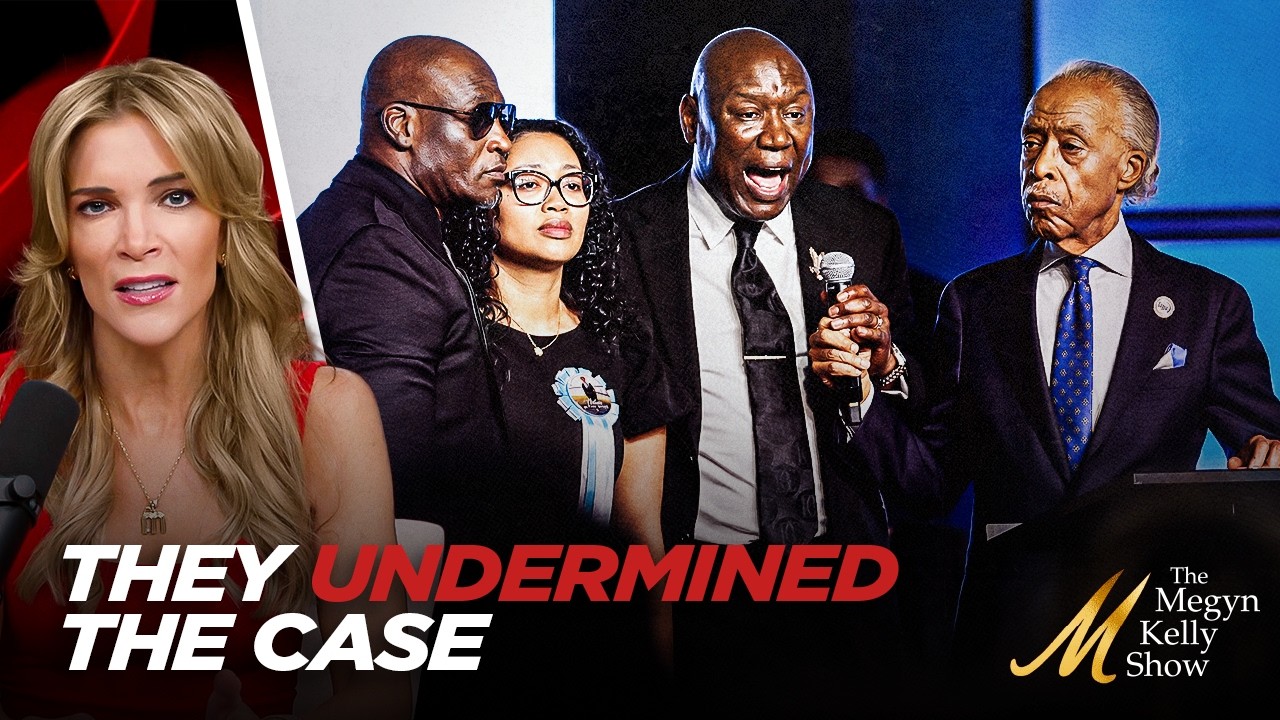
This breakdown lays bare the financial incentives fueling modern racial justice advocacy. By unpacking the aggressive meddling of Al Sharpton and Benjamin Crump in a Mississippi drowning investigation, legal experts show how cash bounties pollute witness testimony and how historic trauma is weaponized to excuse provable lies.
The brief
The civil rights establishment has replaced the pursuit of constitutional equality with a hyper-lucrative, press-conference-first business model that treats the rule of law as a minor speed bump.
Key findings
Activists offering large cash rewards for specific convictions turn witnesses into paid contractors, leaving prosecutors to sort through a minefield of bought and fabricated testimonies.
The humble public branding of elite civil rights advocates is flatly contradicted by their private displays of extreme luxury, proving that capitalizing on tragedy is a highly lucrative industry.
Shielding debunked claims behind the rhetoric of historical trauma and lived experience actively destroys the credibility of genuine civil rights advocacy.
The fight
Named sides below. The brief above already picked.
- Weaponized Witness Incentives 02:23
The $50,000 reward offered by Al Sharpton in the Mississippi drowning case compromises the integrity of any future prosecution.
Evidence: Prosecutors must deal with witnesses whose testimonies are bought and paid for, creating a legal minefield of dishonest testimonies.
- The Grift of Performative Asceticism 04:06
The advocacy industry is highly lucrative, despite claims that representatives are not motivated by money.
Evidence: Arthur Aidala's firsthand observation of Benjamin Crump wearing custom diamond cufflinks, a lapel pin, and a watch worth upwards of a quarter-million dollars.
- Defending False Narratives with Lived Experience 06:16
Historical context of racial discord is used as a shield to excuse blatant falsehoods in modern investigations.
Evidence: Dave Aronberg trying to frame Benjamin Crump's preemptive declarations of murder/foul play as a natural reaction to Mississippi's history of systemic discrimination.
Quotes
“These guys involved, it's like the opposite of a Midas touch... if this wasn't so tragic and so awful especially for the victim's family, these guys are cartoon characters.”
Matt Murphy · 02:54
“I have never seen a man covered in diamonds like... his watch had to be a quarter of a million dollars.”
Arthur Aidala · 04:09
“Lived experience doesn't make you lie about Ma'Khia Bryant, or Michael Brown, or anybody else.”
Megyn Kelly · 06:51
Why now
Dangling cash bounties for convictions before an autopsy is even signed off on is not an investigation, it is a hustle.
This segment dissects the cynical economics of high-stakes civil rights lawfare, where the reputation and freedom of innocent bystanders are treated as acceptable write-offs in the pursuit of media market share.
When a civil rights advocate rolls into a small town wearing a quarter-million dollars in diamonds, the performative fight for the vulnerable reveals itself as a highly profitable enterprise.
The show also tracks how alternative asset marketing has evolved from fringe, prepper-style paranoia into institutional-grade retirement planning, reframing physical gold not as a speculative gamble but as the final defense against state-sponsored inflation.
Receipts
Related dispatches
Visual-only receipts
- Freeze-frames of Ma'Khia Bryant charging another woman with a butcher knife at 00:43, contrasting Megyn Kelly's narration of Crump's 'unarmed' claims.
- On-screen photographs of the Mississippi victim, Nolan Carstensen, with his friends and family at 09:24, providing visual context to the ongoing dispute.
- An on-screen graphic at 12:48 displaying a Birch Gold Group silver coin featuring the Gadsden flag with the phrase 'Dont Tread on Me' alongside the American flag.