The Static Modeling Fallacy of Progressive Wealth Taxes

Our read
Academic wealth tax models are pure political theater designed for a single-year press release. They treat the ultra-wealthy like static variables in a spreadsheet rather than dynamic human actors who will immediately move their money, their companies, and themselves the second a confiscatory tax is signed into law.
What happened
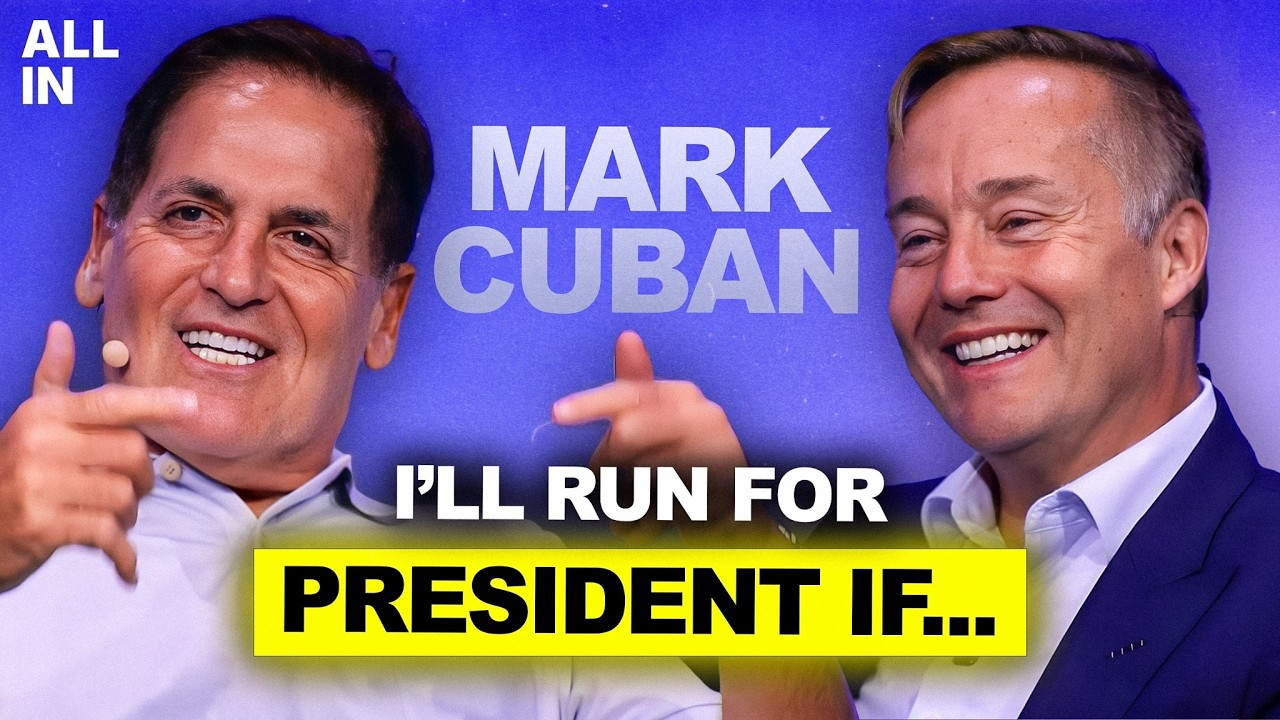
High-profile wealth tax proposals rely on academic economic models that assume the ultra-wealthy are passive, stationary targets. Mark Cuban reveals that the economists behind these policies admit they fail to model how wealthy individuals dynamically change their behavior to avoid the tax.
The brief
The Berkeley economists admitting they didn't run a single behavioral feedback loop tells you everything: these policies aren't designed to raise revenue, they are designed to harvest resentment.
Key findings
The Berkeley economists admitting they didn't run a single behavioral feedback loop tells you everything: these policies aren't designed to raise revenue, they are designed to harvest resentment.
Their pitch: A national wealth tax on unrealized assets is a mathematically sound way to fund public services and reduce inequality.
The fight
Named sides below. The brief above already picked.
- Progressive Policymakers
A national wealth tax on unrealized assets is a mathematically sound way to fund public services and reduce inequality.
- Dynamic Capitalists
Capital is highly mobile, and taxing unrealized gains will trigger immediate capital flight, destroying the tax base and tanking the economy.
Why now
Why now. Ongoing political debates over taxing unrealized capital gains, high-net-worth migration patterns, and state-level wealth tax proposals.
From the episode. Mark Cuban on the AI Bubble: Who Actually Gets Wiped Out? (https://www.youtube.com/watch?v=OY2Sjbjd_VE)