
Thermodynamic Potato Peeling and the Physics of Garage Bombs

Our read
Building a high-pressure steam-peeling chamber in a garage workshop reveals the fine line between a functional industrial prototype and a shrapnel-hurling bomb.


What happened
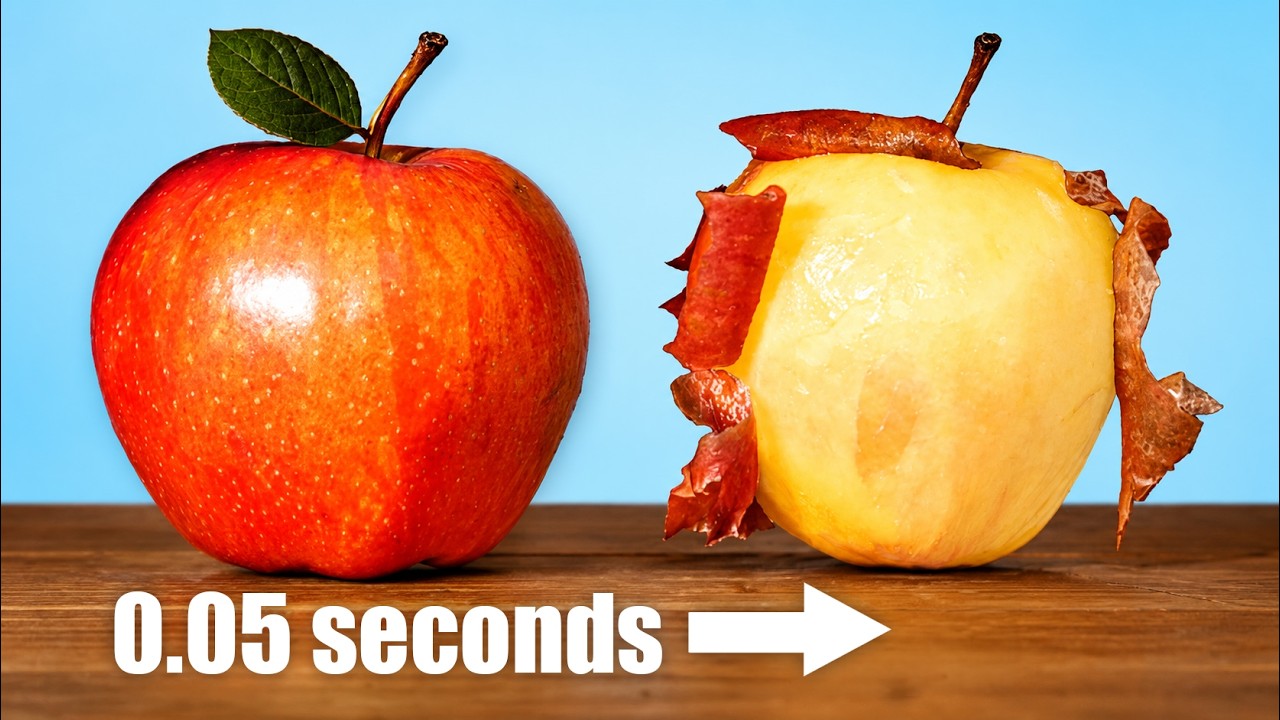
Shane Wighton of Stuff Made Here designs and builds a custom, high-pressure steam-peeling chamber to skin potatoes and pop corn on the cob. By superheating the water layer directly beneath organic skins and triggering rapid thermodynamic decompression, the machine blasts peels off in a microsecond. The engineering process highlights the critical physics of thermal expansion, the safety of hydrotesting with incompressible liquids, and the stark contrast between rigid structural assemblies and dynamic, spring-loaded joints.
Key findings
Storing superheated water under high pressure creates a thermodynamic bomb because water's latent heat acts as a compressed spring waiting to flash-boil upon structural failure.
Hydrotesting with incompressible water isolates mechanical weaknesses safely because, unlike compressible steam, water drops its pressure instantly on failure instead of triggering a shrapnel-hurling explosion.
Rigid structural joints fail under intense thermal cycling, requiring engineers to swap solid connections for stacked Belleville washers that dynamically flex to accommodate thermal expansion.
Quotes
“The boiler is probably multiple sticks of TNT of energy.”
Shane Wighton · 10:05
“Air or steam, as you pressurize it, you're compressing it like a spring.”
Shane Wighton · 11:09
“I feel like I'm defusing a bomb.”
Shane's Wife · 24:25
The brief
Harnessing raw industrial forces in a garage workshop requires moving past blind optimism and understanding the exact thermodynamics of failure.
By replacing brittle, rigid welds with spring-loaded Belleville washers and using incompressible water to safely test weak points, Shane Wighton demonstrates how to survive the fine line between a functional prototype and a shrapnel bomb.
Designing a hyper-efficient kitchen tool eventually turns into a physics lesson on cellular disruption, proving that flash decompressing steam is the ultimate clean-yield peeler if you can avoid blowing up your garage.
The physical limit of industrial iteration is often decided by a cheap five-dollar component, illustrated when a budget wire connector instantly melted and shorted out the entire high-power electrical grid of the pressure chamber.
Rapid thermodynamic decompression acts as a structural scanner for fruit, turning a grape into a pristine luxury snack while utterly emulsifying a strawberry into a horror-show foam of instant cream.
Ultimately, true innovation belongs to the iterative builder willing to assemble high-pressure vessels in a workshop, demonstrating that raw mechanical curiosity and thermal dynamics can conquer mundane tasks through glorious, volatile over-engineering.
The comical division between builder and consumer is captured in the prototype rating disconnect, where an engineer celebrates a machine because it did not explode, while the user rates it a six out of ten because the potato looks lumpy.
Questions
Why is hydrotesting safer than testing a pressure vessel with air?
Hydrotesting uses liquid water, which is incompressible. If the vessel fails during a hydrotest, the water cannot expand, causing the pressure to drop to zero instantly without throwing shrapnel. In contrast, compressed air or steam stores energy like a compressed physical spring, resulting in a violent, explosive decompression that can turn metal shards into lethal projectiles.
How do Belleville washers prevent structural failure in high-temperature environments?
Belleville washers are conical, spring-like washers that dynamically flex under load. In high-temperature environments, different metals expand at different rates, which can stretch rigid bolts to their breaking point. Stacked Belleville washers absorb this thermal expansion by compressing dynamically, maintaining a constant, safe tension on the joint without cracking the structure.
What is the thermodynamic mechanism behind explosive decompression peeling?
The process relies on high-pressure steam to superheat the thin layer of moisture trapped directly beneath a potato's skin. When the chamber is instantaneously vented, the ambient pressure drops rapidly, causing the superheated water beneath the skin to flash-boil and expand instantly. This micro-explosion cleanly tears the peel away from the flesh.
Why did the strawberry turn to foam while the grape peeled perfectly?
The outcome is dictated by cellular structure. Grapes have a highly structured, resilient cellular matrix that allows the skin to separate cleanly under pressure changes. Strawberries have weak, water-dense cellular walls; when subjected to rapid decompression, the moisture inside every single cell flash-boils simultaneously, completely emulsifying the fruit's tissue into a pink slurry.
How does pressure-suppressed popping work for corn?
By keeping corn kernels under high ambient steam pressure (around 160 PSI), the moisture inside the kernels is superheated far past its normal boiling point without popping. The moment the steam pressure is vented, the internal moisture flashes to steam instantly, causing all the kernels on the cob to pop simultaneously.
Receipts
Visual-only receipts
- A technical drawing of the 1945 R.H. Winters patent 'Apparatus for Peeling Root Vegetables and Fruit' is displayed on-screen, proving the industrial history of this process (00:56).