
AI Co-founder

The take
Call it an AI co-founder and you still hired a glorified intern with equity theater. Founders offload grunt work, keep the strategic seat warm, and the startup never gets a real second brain.
The Tell
Your 'AI co-founder' is just your smartest intern. Don't pretend it's splitting equity.

Stakes
This frame matters because it lets founders and investors sidestep the real challenge of integrating AI for true strategic growth, instead promoting it as a convenient way to automate busywork, ultimately impacting resource allocation and the definition of leadership.
Source Dispatch
More Dispatches
The read
The mainstream narrative positions an 'AI co-founder' as an indispensable, strategic partner, capable of elevating a startup's capabilities and decision-making. Pitches often tout AI as a visionary counterpart, ready to tackle complex problems and accelerate growth with superhuman efficiency.
But peel back the layers, and most founders will use AI to offload tedious, non-strategic work - the stuff they hate doing. It's less about genuinely sharing the visionary load or challenging assumptions, and more about automating email, scheduling, market research busywork, or content generation.
The AI becomes a highly capable, always-on assistant, not a peer in the C-suite. Ultimately, this dynamic allows founders to insulate themselves from the grunt work, creating an illusion of advanced partnership without the messy reality of shared vision or true strategic debate.
It's a convenient way to delegate the boring bits, but it risks founders missing out on the deeper insights that come from wrestling with every aspect of their business, even the tedious ones.
In the wild
- "We're seeing by our customers as an AI co-founder. A partner that you talk to about everything in your business."
- Startup X raises $5M, touting its 'AI co-founder' for market analysis and content generation, promising to 'multiply human effort'.
- Founder Y admits his 'AI co-founder' mostly handles email and scheduling, freeing him for 'big picture' thinking, but rarely contributes to core product strategy.
- VC firm Z launches a fund specifically for 'AI co-founder platforms,' betting on tools that automate operational roles rather than strategic leadership.
- Episode: Intel's Strategic Decline & Apple's Foresight; Lovable on AI Co-founders & Co-opetition (https://www.youtube.com/watch?v=-ILKiOU5iAQ)
- We're seeing by our customers as an AI co-founder. A partner that you talk to about everything in your business.
Related
 Table Stakes (Tech)'Table stakes' used to mean the boring features every product shipped. In AI, it means the trust floor that demos keep torching while VCs clap for the next brittle miracle.
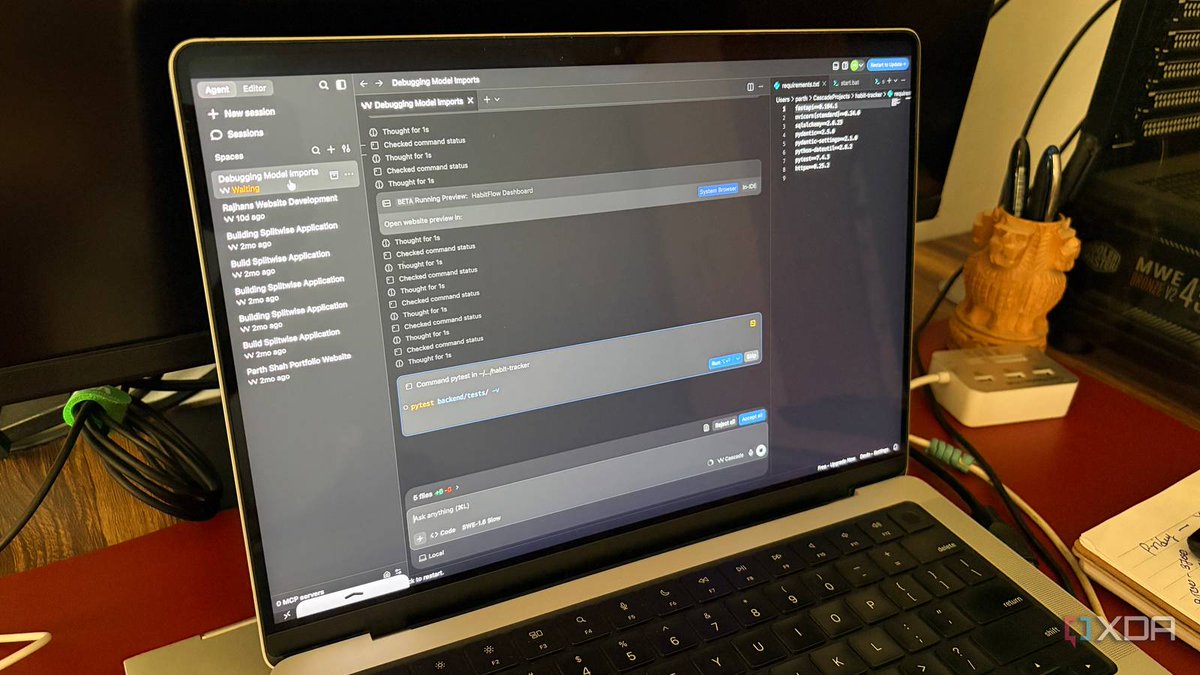 Vibe CodingVibe coding was sold as everyone becoming a software mogul. What it actually does is liquidate entry-level coding jobs and leave the high-agency architect as the only adult in the room who can debug the beautiful mess a model spat out in three seconds.
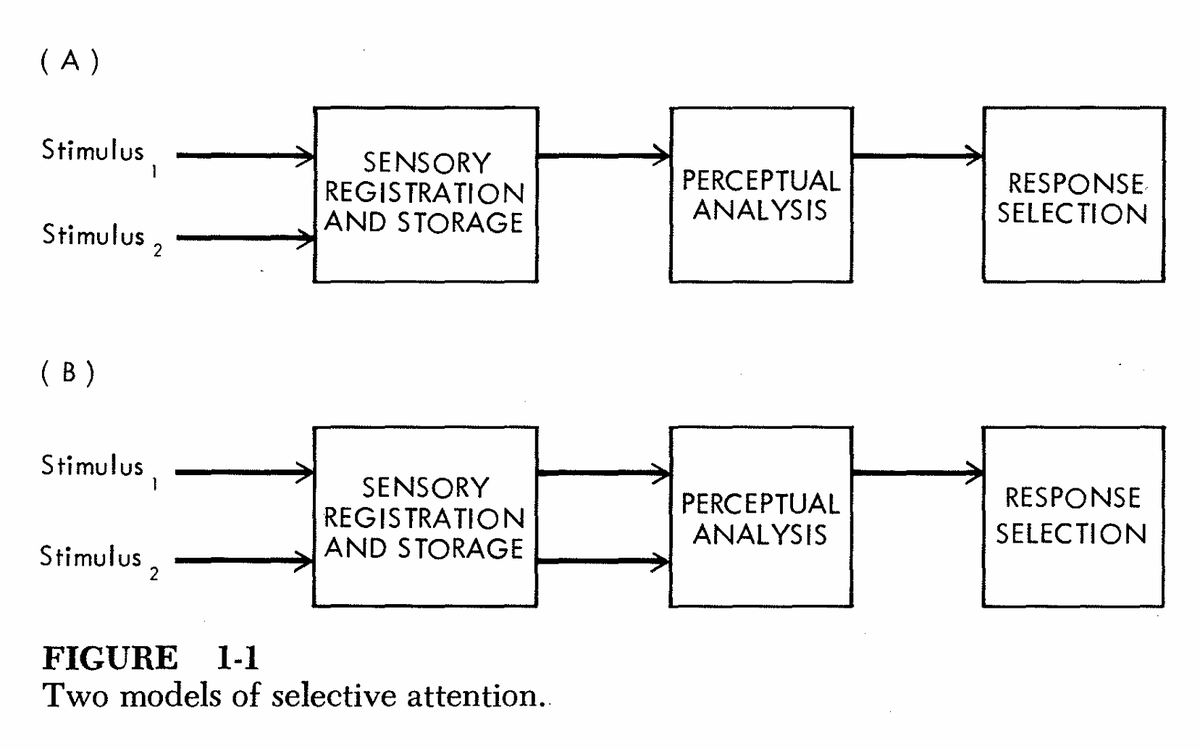 Attention BottleneckTrying to remember literally everything makes AI models expensive and dumb. The Attention Bottleneck is the fundamental design flaw that chokes their ability to scale, a massive cost for anyone building the next generation of intelligence.
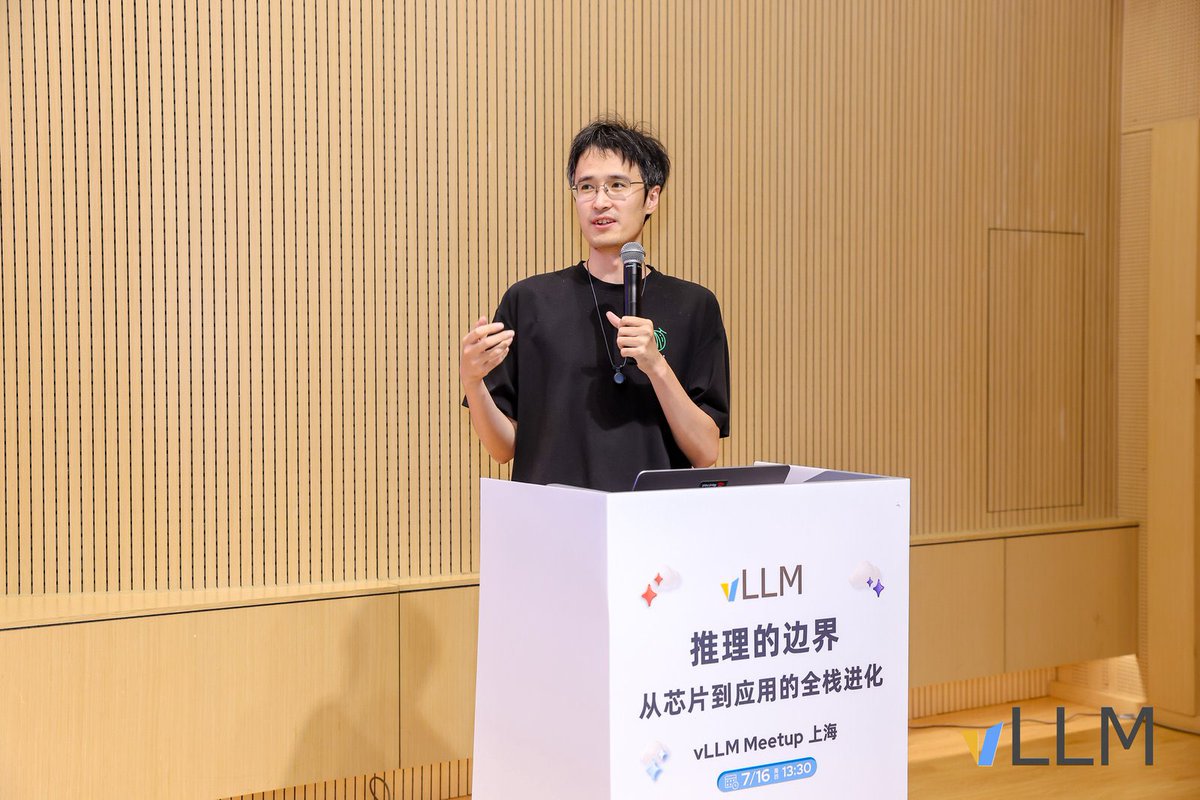 Co-opetition in AI DevelopmentCo-opetition in AI is risk-hedging with a smile. Labs socialize frontier R&D costs, then privatize the breakthroughs that print money. Shared burden is not shared profit.
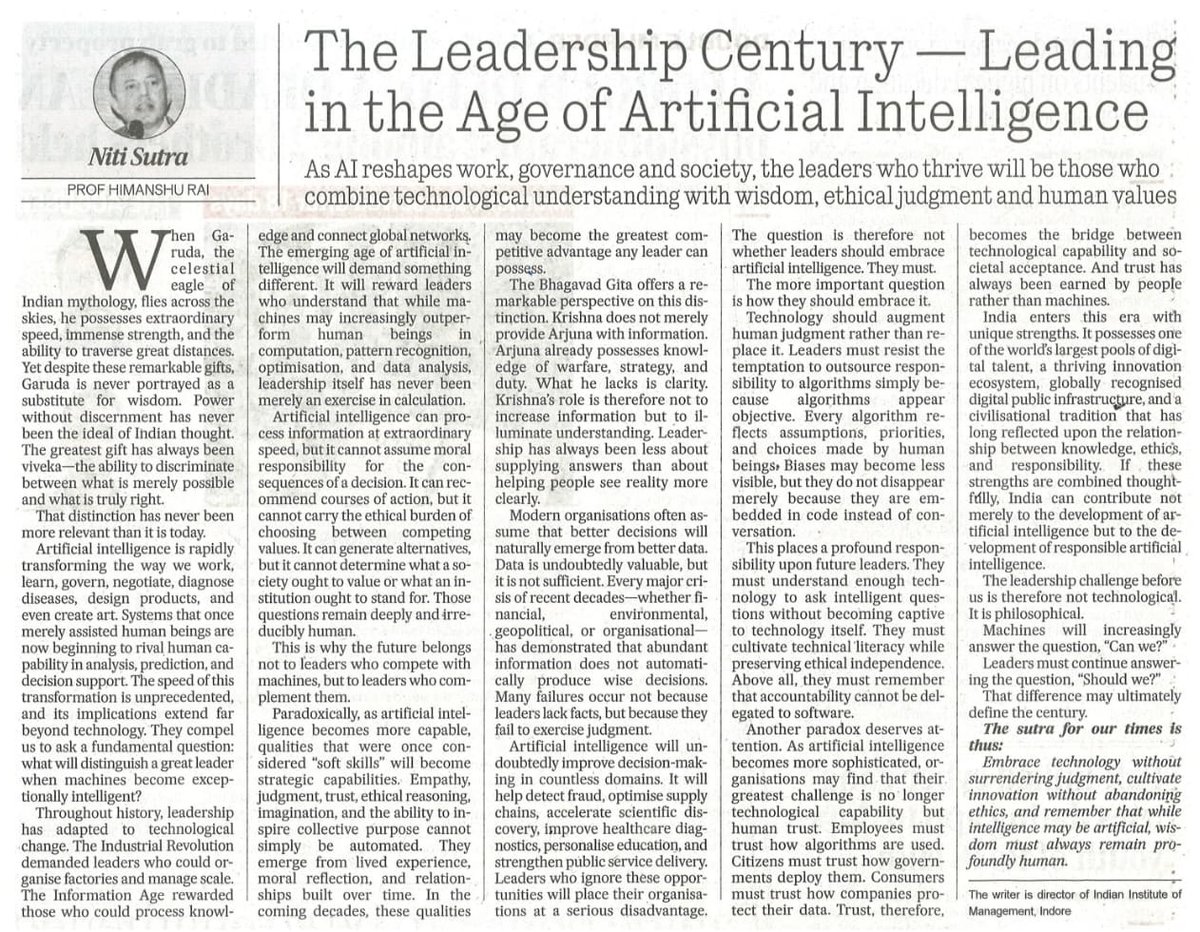 Technical Leadership DrainWhen MBAs and financial managers replace engineers at the top, companies often trade their innovation edge for short-term gains, a Technical Leadership Drain that costs them long-term market dominance.
 AI 2027 ScenarioThe 'AI 2027 Scenario' is less a sober forecast of superintelligence and more a high-stakes marketing push, designed to accelerate the AI arms race and consolidate power, because the only thing scarier than AI is the other guy getting it first.
Gifnotes poster
Sources
FAQ
What's the biggest misconception about an AI co-founder?
The biggest misconception is that an AI co-founder genuinely shares the visionary and strategic burden of a human co-founder. In reality, it often serves as a powerful automation tool for operational tasks, not a true strategic partner.
How does this frame impact startup growth?
This frame can lead to misallocated resources, an overreliance on automation for non-strategic tasks, and potentially a lack of critical human oversight in areas where genuine strategic thinking and debate are crucial.
Should founders avoid using AI in this 'co-founder' capacity?
Founders shouldn't avoid leveraging AI's capabilities for efficiency. The key is to be clear-eyed about its actual role: a powerful tool for delegation and automation, not a replacement for human strategic leadership or shared entrepreneurial vision.