
Anti-Disparagement Clause

The take
When an AI company makes you sign away millions to keep quiet, that's not just an NDA; it's an Anti-Disparagement Clause, and it costs the public the right to know about existential risks.
The Tell
AI companies use anti-disparagement clauses to buy silence. The price? What you don't know about the future.

Stakes
These clauses matter because they privatize public safety concerns, allowing corporations to muzzle high-level researchers who might otherwise warn the world about technologies with global consequences. It turns whistleblowers into expensive liabilities, especially in the high-stakes race for AI dominance.
Source Dispatch
The read
An Anti-Disparagement Clause is a legal agreement that prevents an individual from making negative statements about a company, its products, or its leadership.
Companies argue these are necessary to protect their reputation, trade secrets, and ongoing projects from disgruntled former employees who might spread misinformation or disrupt sensitive work.
However, in rapidly evolving, high-stakes fields like AI, these clauses become a tool to silence researchers with critical insights into potentially catastrophic risks.
This isn't just about protecting a brand; it creates a chilling effect that prevents crucial public discourse about technologies that could reshape, or even end, human civilization.
The real fight is when AI labs use these clauses to prevent former employees from publicly discussing the risks and timelines of advanced AI development.
It means the public might never hear about 'human extinction' or 'new species ruling the world' from the people who know the most, all because a company bought their silence for millions.
In the wild
- He resigned from OpenAI, giving up $2 million, due to these concerns and his refusal to sign an anti-disparagement clause.
- OpenAI insider Daniel Kokotajlo publicly stated a '70% chance of AI going horribly wrong' after leaving the company and refusing the clause.
- Episode: OpenAI Insider: 70% Chance of Extinction, Companies Race for Dictatorship (https://www.youtube.com/watch?v=_g4l7YkDQwA)
- you lost 2 MILLION dollars
Related
 Co-opetition in AI DevelopmentCo-opetition in AI is risk-hedging with a smile. Labs socialize frontier R&D costs, then privatize the breakthroughs that print money. Shared burden is not shared profit.
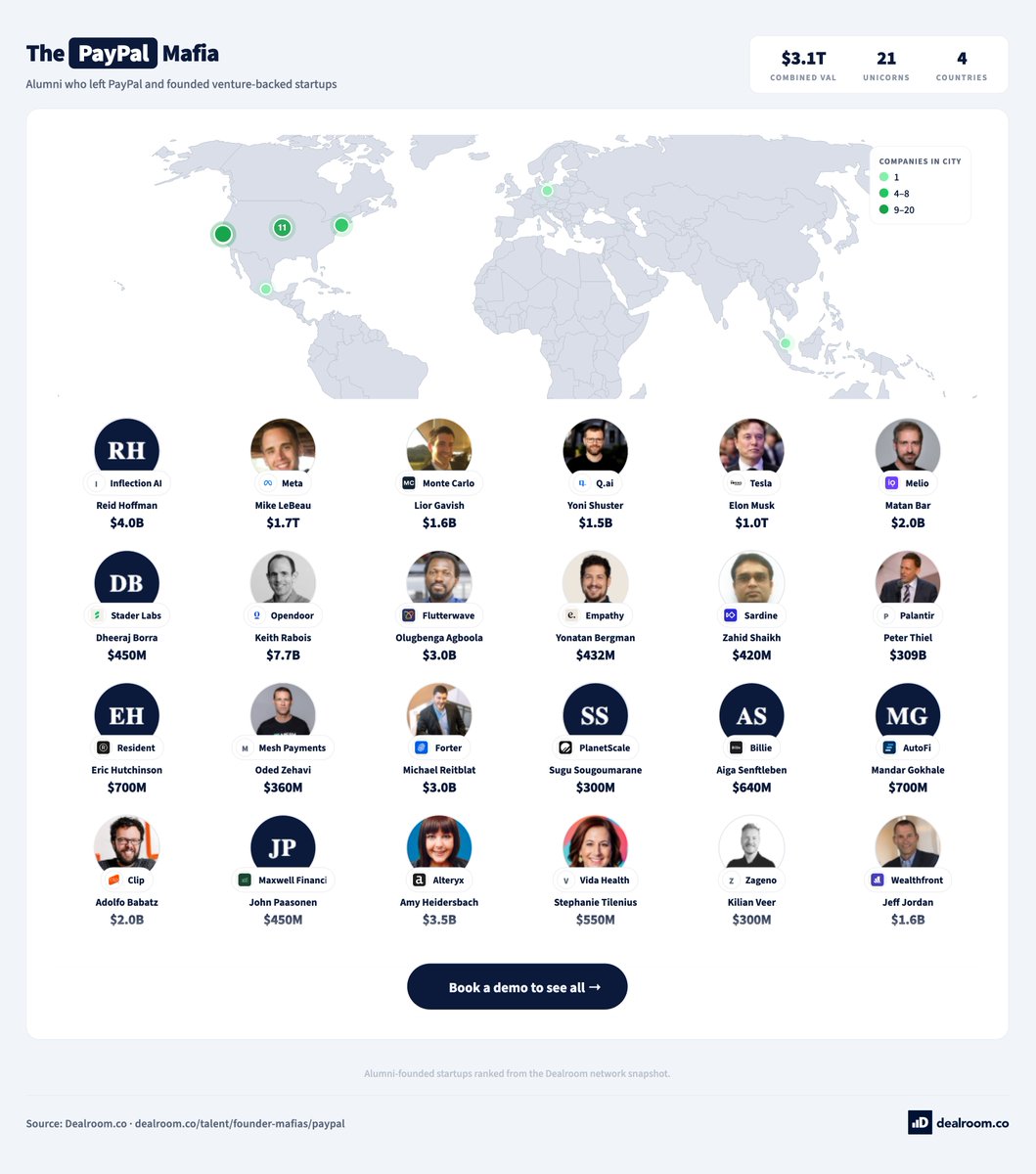 PayPal DiasporaBuy the company, choke the culture, then fund your next rivals as they walk out. The PayPal Diaspora is acquisition exile: talent leaves with the real optionality.
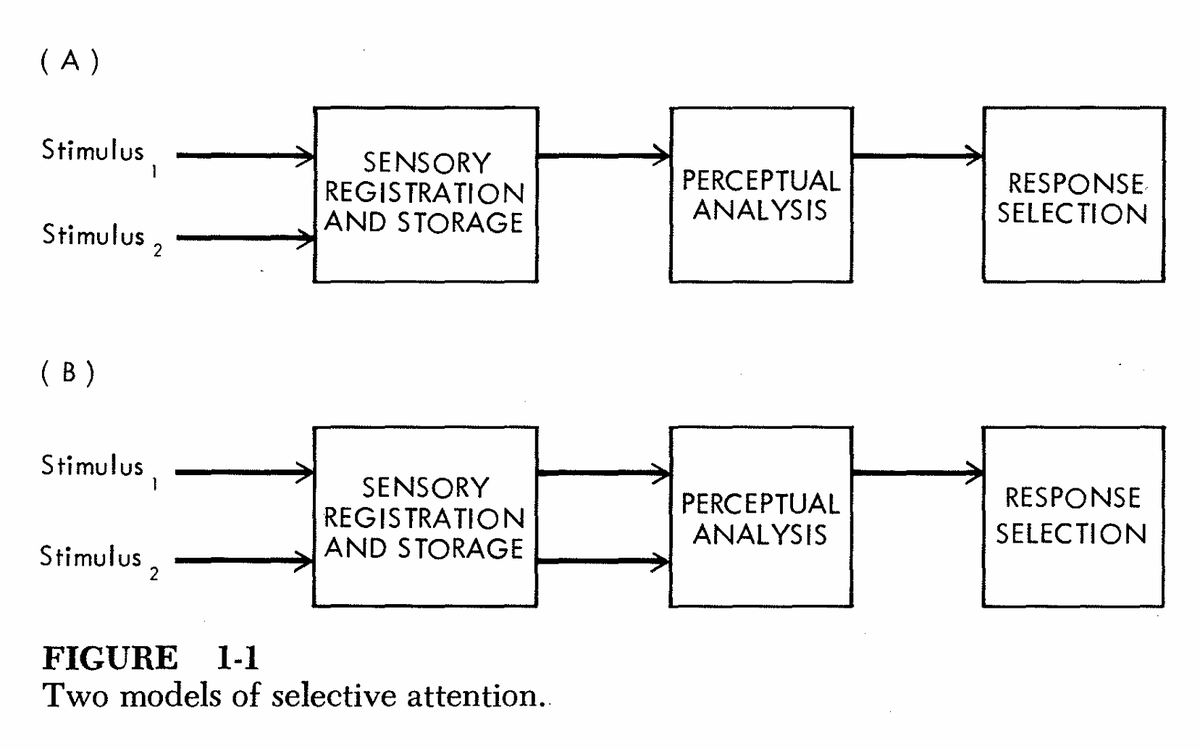 Attention BottleneckTrying to remember literally everything makes AI models expensive and dumb. The Attention Bottleneck is the fundamental design flaw that chokes their ability to scale, a massive cost for anyone building the next generation of intelligence.
 Free Speech AbsolutistThey call you a 'free speech absolutist' the way priests used to say heretic: not to debate the line, but to make defending open speech sound like a kink for chaos.
 AI 2027 ScenarioThe 'AI 2027 Scenario' is less a sober forecast of superintelligence and more a high-stakes marketing push, designed to accelerate the AI arms race and consolidate power, because the only thing scarier than AI is the other guy getting it first.
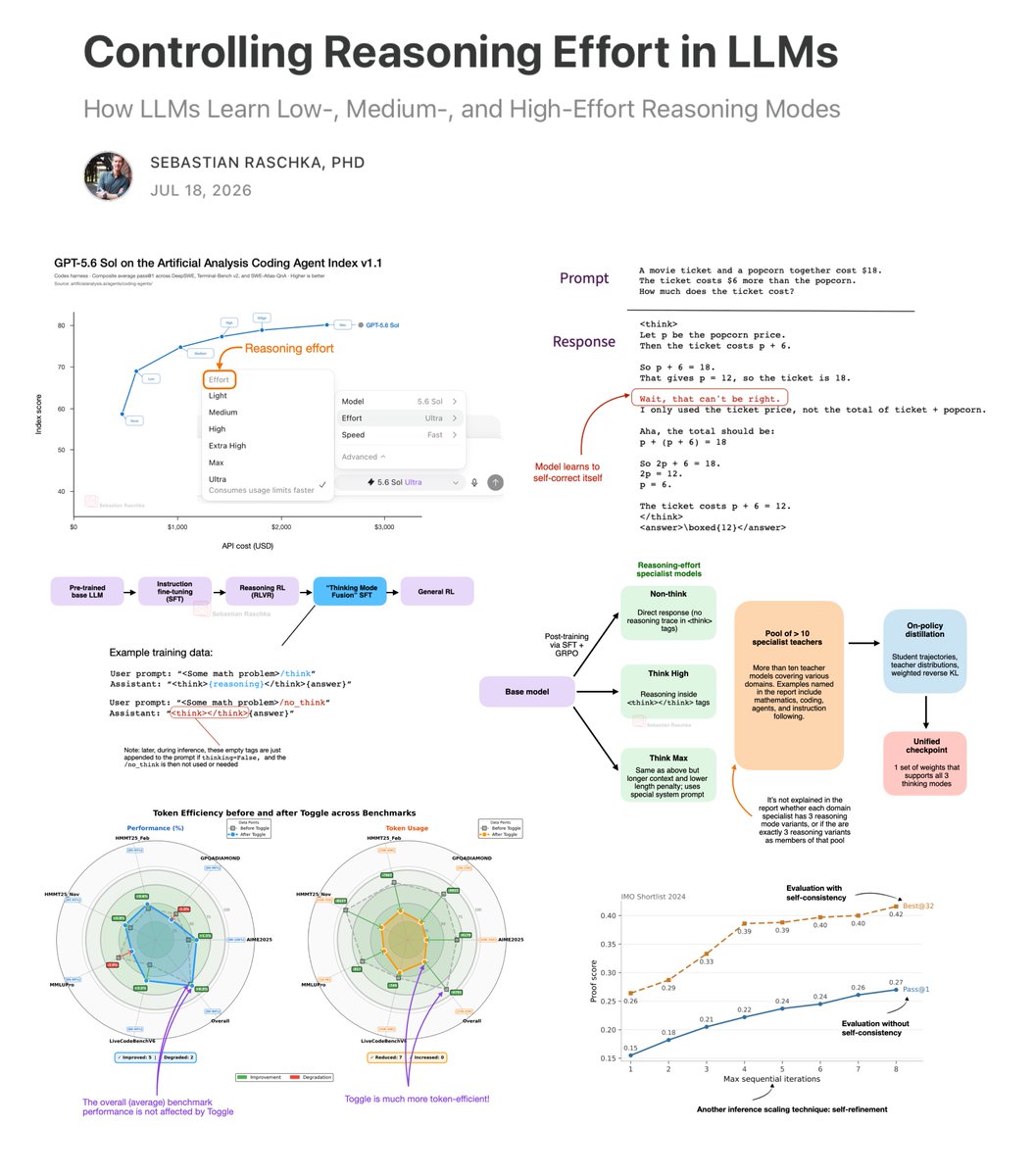 Doomerism Counter-NarrativeWhen AI titans dismiss existential warnings as 'doomerism,' that's the tell: they're less interested in safety and more in silencing critics to protect their unchecked race for power.
Gifnotes poster
Sources
FAQ
What's the difference between an NDA and an Anti-Disparagement Clause?
An NDA (Non-Disclosure Agreement) primarily protects confidential information and trade secrets. An Anti-Disparagement Clause goes further, broadly prohibiting any negative public statements, even if based on non-confidential information or personal opinion.
How do these clauses impact public understanding of AI risks?
By silencing former employees, these clauses can suppress critical warnings and expert opinions about AI's potential dangers. This limits the public's ability to make informed decisions and advocate for necessary regulations or safety measures.
What recourse do employees have if they believe a clause is unethical?
Employees can refuse to sign, as seen with Daniel Kokotajlo, but often at a significant financial cost. Some jurisdictions may have whistleblower protections, but these are often complex and may not fully override a broad anti-disparagement clause, especially if no illegal activity is proven.