
Co-opetition in AI Development

The take
Co-opetition in AI is risk-hedging with a smile. Labs socialize frontier R&D costs, then privatize the breakthroughs that print money. Shared burden is not shared profit.
The Tell
AI 'co-opetition': Shared risk, private gain. Don't mistake their 'collaboration' for your benefit.

Stakes
If you think co-opetition means everyone wins, you are missing how the biggest AI firms offload their most expensive, riskiest R&D onto a collective effort. It is about controlling the next platforms and IP, influencing policy and markets, while you foot part of the bill.
Source Dispatch
The read
What looks like collaborative spirit in AI development is often a savvy move by tech giants to spread the risk and cost of exploring uncharted AI territory.
By engaging in 'co-opetition' - a blend of cooperation and competition - they can collectively fund moonshot research, share infrastructure, and even influence regulatory frameworks, all while keeping their individual balance sheets healthier.
The mainstream narrative frames this as a necessary evolution, arguing that the sheer complexity and resource demands of advanced AI research are too great for any single entity.
Proponents suggest that by pooling resources and knowledge, companies accelerate progress, ensure safety, and democratize access to powerful AI tools, creating a virtuous cycle of innovation for everyone. However, this 'shared burden' story conveniently overlooks the strategic positioning.
While costs are socialized, the race to privatize the most lucrative breakthroughs - the foundational models, the killer apps, the intellectual property - remains fierce.
These collaborations allow major players to test risky hypotheses on a shared dime, collectively influence public perception, and strategically position themselves to monopolize the eventual 'winner-take-all' AI platform, leaving smaller innovators to play catch-up.
In the wild
- "Since engineering is less of the bottleneck, it's more about what to build. It's great to attempt solving the same problem in different ways."
- "Major AI labs announce new strategic partnership to 'accelerate foundational research and ensure responsible AI development.'"
- "Company X contributes to open-source AI framework while simultaneously launching its proprietary large language model."
- "Tech CEO states, 'Collaboration is essential for AI safety, but competition drives innovation.'"
- Episode: Intel's Strategic Decline & Apple's Foresight; Lovable on AI Co-founders & Co-opetition (https://www.youtube.com/watch?v=-ILKiOU5iAQ)
- Now since the engineering is less of the bottleneck, is more the question of what is the right thing to build, I think it's a great thing to have... to try to attempt the solving the same problem in different ways.
Related
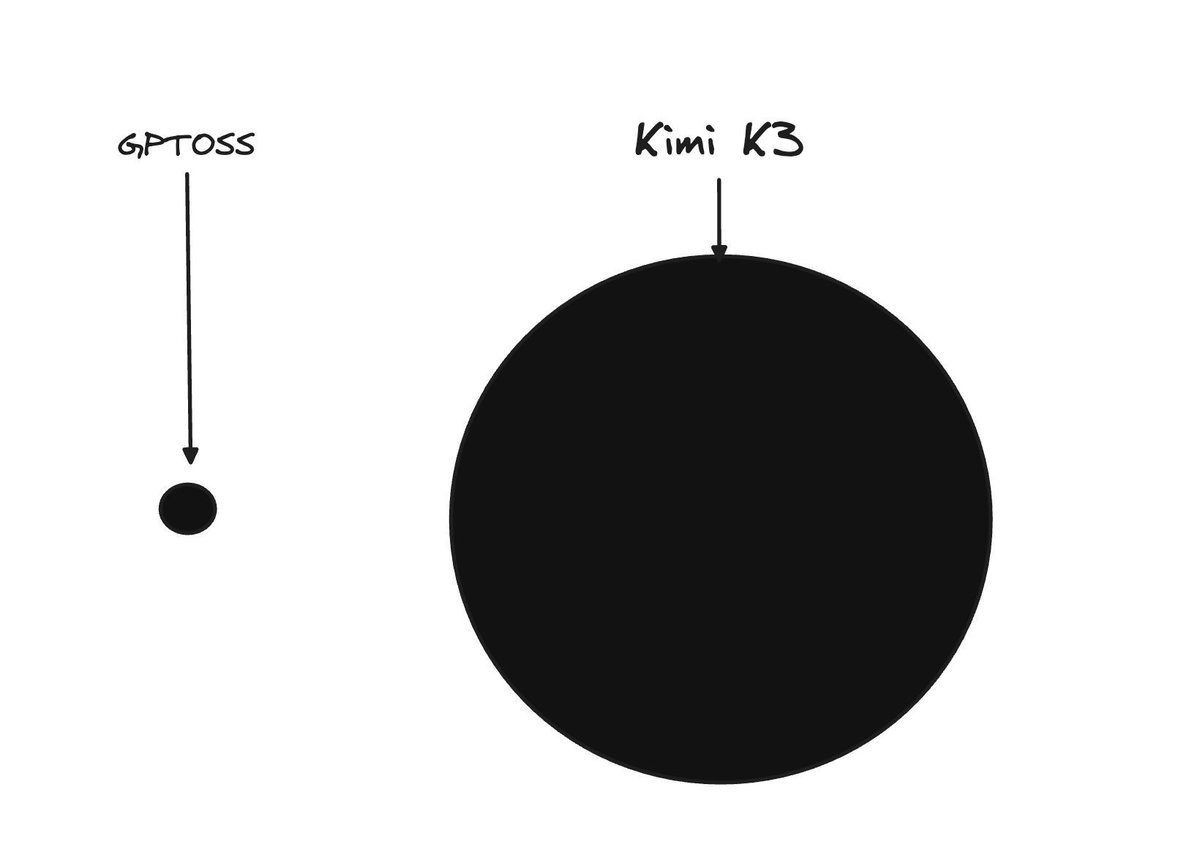 Kimi-Claude DistillationThe idea of 'original AI' is a marketing fantasy. Kimi-Claude Distillation is the quiet tell that models openly learn from each other, making true intelligence a fungible, open secret and forcing us to rethink who owns what in the AI race.
 Table Stakes (Tech)'Table stakes' used to mean the boring features every product shipped. In AI, it means the trust floor that demos keep torching while VCs clap for the next brittle miracle.
 AI Co-founderCall it an AI co-founder and you still hired a glorified intern with equity theater. Founders offload grunt work, keep the strategic seat warm, and the startup never gets a real second brain.
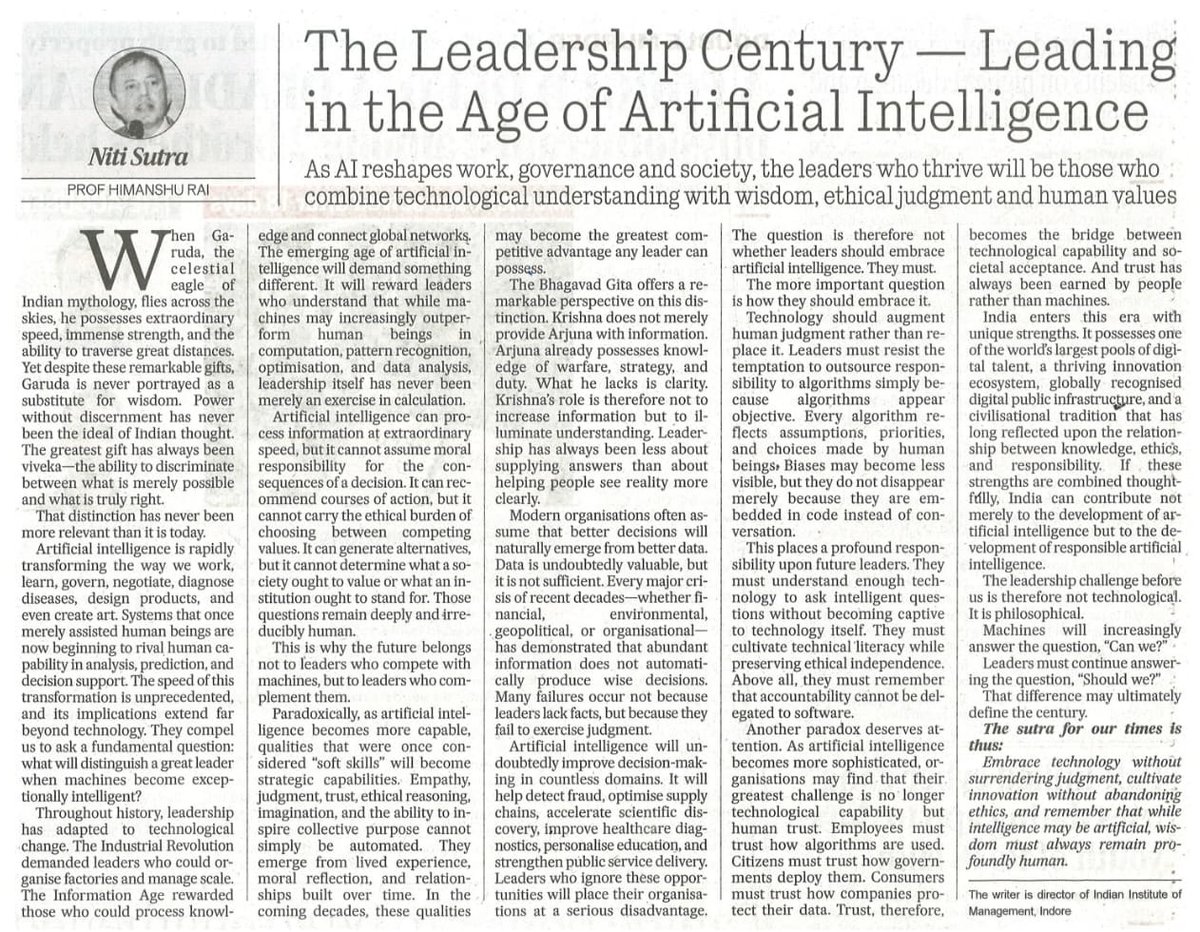 Technical Leadership DrainWhen MBAs and financial managers replace engineers at the top, companies often trade their innovation edge for short-term gains, a Technical Leadership Drain that costs them long-term market dominance.
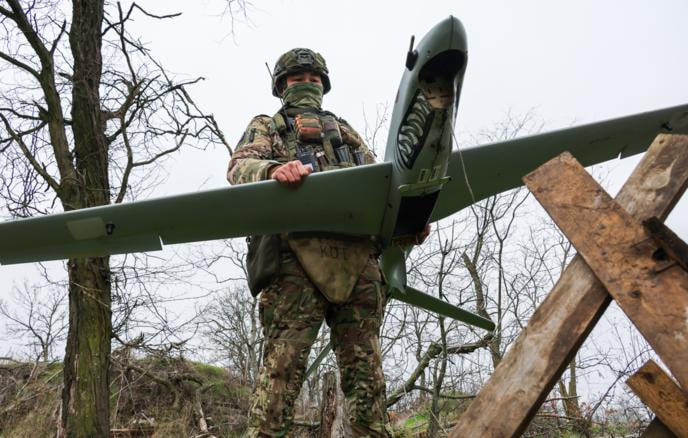 Sputnik CopeEvery time a Chinese model tops the leaderboard, America runs the same ritual: insist it doesn't count, then go back to blocking data centers and drafting rules to pre-approve its own labs. Sputnik Cope is losing a race in real time while telling yourself the other guy is cheating.
 AI 2027 ScenarioThe 'AI 2027 Scenario' is less a sober forecast of superintelligence and more a high-stakes marketing push, designed to accelerate the AI arms race and consolidate power, because the only thing scarier than AI is the other guy getting it first.
Gifnotes poster
Sources
FAQ
How does 'co-opetition' differ from traditional competition?
Traditional competition is zero-sum, where one company's gain is another's loss. Co-opetition involves selective collaboration on shared challenges or infrastructure, while still fiercely competing for market share and proprietary advantages.
What's the downside for smaller AI players in this model?
Smaller players risk being outmaneuvered or absorbed. They might contribute to shared efforts without the resources to capitalize on breakthroughs, or find themselves competing against giants who've socialized their R&D costs.
How can I identify genuine collaboration versus strategic co-opetition?
Look for where the actual intellectual property and market control are being concentrated. Genuine collaboration often results in truly open-source, non-proprietary advancements, whereas strategic co-opetition leaves the door open for exclusive monetization.