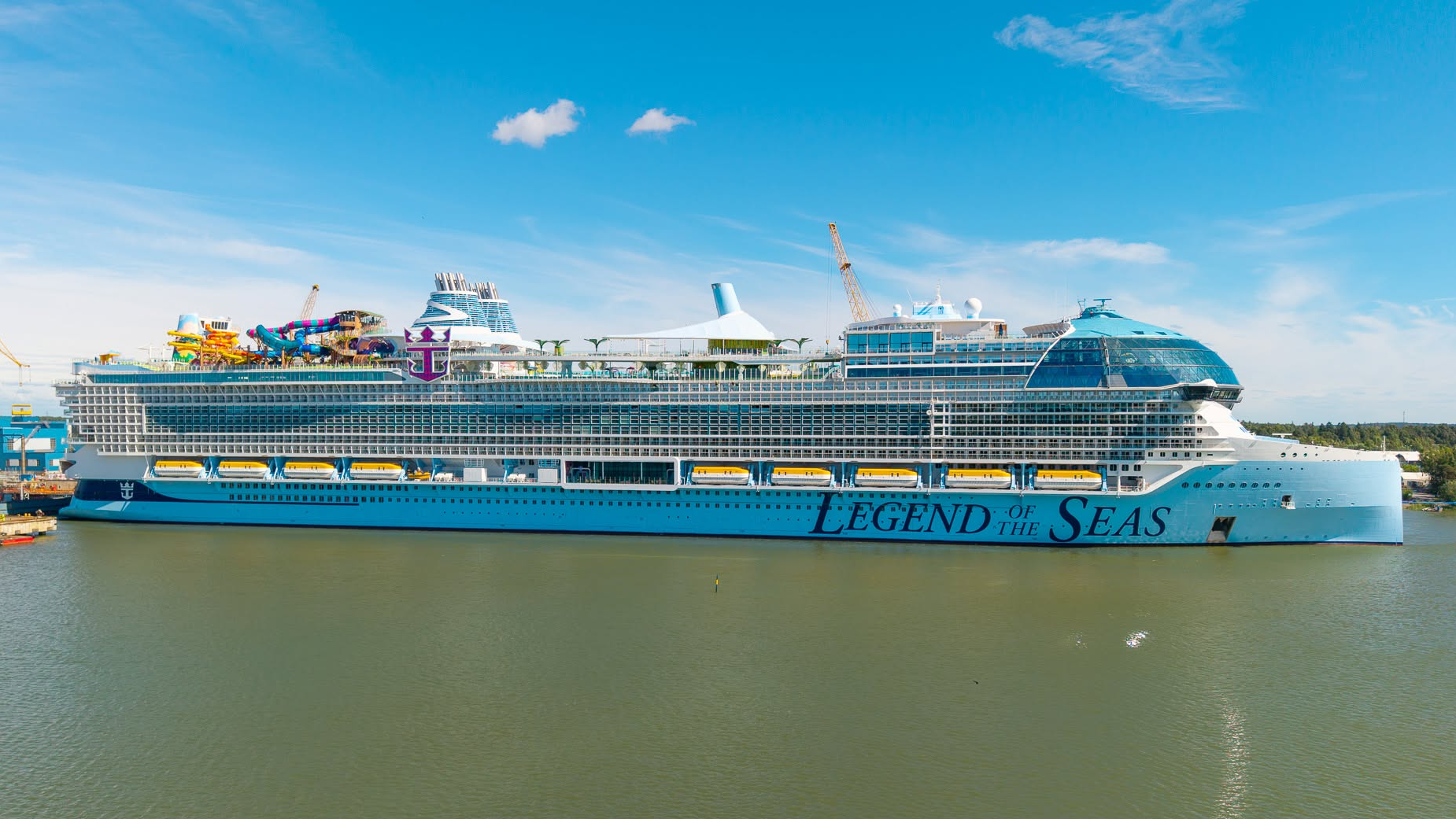
Cruise Ship
Your pocket lexicon
The take
A "Cruise Ship" is the digital metaphor for any online platform that offers a highly curated, all-inclusive experience while maintaining strict control over user speech, interaction, and content. Care now because as more of your life moves onto these platforms, understanding their sovereign rules is key to protecting your digital agency.
Why it matters
Mistaking the convenience and polish of a "Cruise Ship" platform for genuine freedom means you're not just a user, you're a passenger. The cost is a fuzzy understanding of who truly owns your online space and what rules you're actually playing by, often at the expense of open discourse and personal control.
The note
The "Cruise Ship" concept applies to any large online ecosystem - social media, gaming networks, even some work collaboration tools - where the platform provider dictates the environment, the activities, and the acceptable behavior. It's a designed experience, from the algorithms that shape your feed to the content moderation policies that police your words. You're on board, enjoying the amenities, but you're not steering.
From the platform's perspective, this control is often framed as necessary for safety, community standards, and a high-quality user experience. They argue they're protecting you from spam, harassment, and misinformation, creating a clean, predictable space. They own the digital vessel, after all, and they're responsible for the voyage, so setting the rules is just good captaincy.
However, this curated safety comes with a trade-off: your freedom of speech and ability to challenge the status quo are subject to the captain's whims. Your engagement is the product, and dissent can be seen as a disruption to the itinerary. Remember that on a "Cruise Ship," you're a paying guest, not a co-owner of the ocean. Your 'free' account is a ticket, not a deed.
In the wild
Receipts from the feed. Not the definition. Proof the fight is real.
- US court says Donald Trump's 'censorship' visa policy likely violates free speech
- Free Speech Online in Minnesota Doesn’t Need Government Censorship Labels
Related
 Crypto ConvergenceCrypto Convergence is what happens when DeFi, AI, social media, and TradFi stop pretending they're in different group chats. It matters because this collision isn't just about new tech, it's about who owns the next layer of the internet, and your slice of it.
 NewsjackNewsjack is when someone, usually a brand or influencer, hijacks a trending news story or event to promote their own product, service, or personal brand. You care because it's the digital equivalent of an ambulance chaser, but for clicks.
 Terminally onlineTerminally Online describes someone whose primary reality and worldview are shaped by niche internet discourse, often to the exclusion of real-world context or interaction. Care now because it's the fastest way to lose touch with objective reality and become a useful idiot for someone else's digital agenda.
FAQ
What's the core difference between a "Cruise Ship" platform and a truly open online space?
A "Cruise Ship" platform operates under a centralized authority that dictates content, conduct, and often even algorithms, prioritizing a curated experience. A truly open space, like a decentralized protocol or a self-hosted forum, offers far greater user autonomy and fewer top-down restrictions, often at the cost of convenience or moderation.
How do "Cruise Ship" platforms benefit from this model of control?
By controlling the environment, these platforms can optimize for user engagement, gather extensive data, and enforce policies that align with their business interests, advertiser demands, or perceived public image. This allows them to create a predictable, brand-safe ecosystem that maximizes their revenue and market position.
What's the personal cost of being a passenger on a digital "Cruise Ship"?
The personal cost includes reduced agency over your own data and content, exposure to algorithmic manipulation, and the risk of deplatforming or censorship if your views diverge from the platform's rules. You trade true digital sovereignty for convenience and a managed experience.