Curiosity Trap

The take
Marketers and cult leaders open a knowledge gap on purpose so you cannot look away until they close it. Curiosity Trap is that hijack of your attention budget, sold as engagement craft.
The Tell
Cliffhanger as malware for your click.

Stakes
If you cannot tell a chosen rabbit hole from a manufactured cliffhanger, your click is their product. The cost is agency: you finish content you never meant to start.
Source Dispatch
The read
The steelman is boring and true. Humans hate unfinished loops. Good teachers and storytellers use that on purpose.
The trap is when the gap is industrial. Hooks, thumbnails, and drip 'secret knowledge' are built to bypass your filter and rent your next ten minutes. Platforms pay that behavior.
Name the object. '* It is engineered incompleteness aimed at your attention budget. Spot the manufactured gap, then choose whether to pay.
In the wild
- Online marketing courses teaching 'viral content' strategies that focus on psychological triggers.
- YouTube gurus explaining how to craft video titles and thumbnails to create 'unskippable' knowledge gaps.
- Historical propaganda techniques that relied on creating suspense or partial information to control narratives.
- Cult recruitment methods that incrementally reveal 'secret knowledge' to new members, leveraging their desire for belonging and understanding.
- Episode: What Getting 3 Billion Views Taught Me About Human Psychology (https://www.youtube.com/watch?v=KkK-Y7GiQ2o)
- The "curiosity trap" exploits the brain's discomfort with a "gap" between what it knows and what it wants to know, neurologically committing the viewer to finish the video to fill that gap.
Related
 Going Direct (Communication)The corporate ideal frames 'Going Direct (Communication)' as transparency, but that's the trap: its real power is turning a CEO into a prophet and a company into a cause. Leaders who understand this know that selling belief and a compelling personal narrative is the ultimate competitive advantage, because without it, your vision dies.
 Noble Lie (Nolan)Christopher Nolan's recurring "noble lie" is a trap, revealing how easily we trade uncomfortable truths for comforting fictions, often with unforeseen moral costs for both the deceiver and the deceived.
 Naturalistic Fallacy TrapThe naturalistic fallacy used to be a logic error. Now it doubles as a moral weapon that shuts down inquiry by branding findings about human nature 'problematic' before anyone reads them.
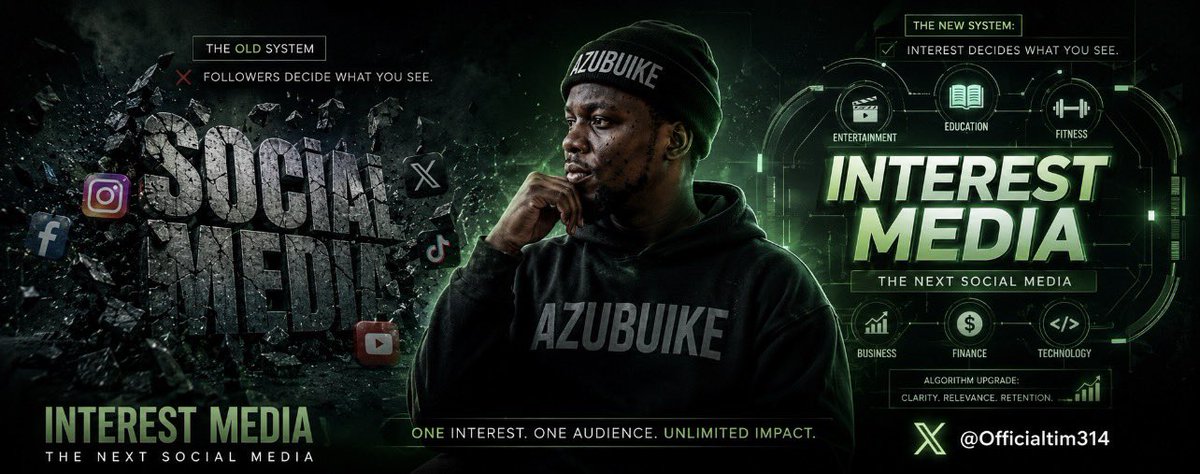 Interest MediaInterest media is the attention economy's rebrand. Organic reach now costs creators endless content or cash, and 'free' visibility is a high-effort trap.
 Format StealFormat Steal is not laziness. It is the bet that brains prefer familiar patterns, a truth content gurus skip while your audience pays the cognitive tax.
 Memetic DesireYou rarely invent what you want. Prestige models pick the object first, and your 'taste' shows up fashionably late. That quiet racket is memetic desire.
Gifnotes poster
Sources
FAQ
How does the Curiosity Trap differ from traditional advertising?
Traditional advertising often directly promotes a product or service. The Curiosity Trap, by contrast, focuses on creating an irresistible question or information gap, making the viewer *want* to engage to resolve it, rather than being told what to do or buy.
Can the Curiosity Trap be used ethically?
Like any powerful psychological tool, its ethics depend on intent and outcome. It can be used to educate or entertain, but it can also be exploited to manipulate, mislead, or waste time by prioritizing engagement over genuine value or truth.
What's the best defense against falling into a Curiosity Trap?
The best defense is awareness. Recognize the feeling of an information gap being created, then consciously decide if the payoff is worth your time and attention, or if you're just being strung along for clicks.