Doomerism Counter-Narrative

The take
When AI titans dismiss existential warnings as 'doomerism,' that's the tell: they're less interested in safety and more in silencing critics to protect their unchecked race for power.
The Tell
When AI titans call you a 'doomer,' ask who benefits from the silence. It's not optimism, it's unchecked power.

Stakes
This framing dismisses legitimate, long-standing concerns about AI's existential risks as mere pessimism, often used by industry insiders to avoid accountability and regulation. The real risk is letting those with the most to gain dictate the terms of the debate, leaving us blind to actual dangers and unchecked technological acceleration.
Source Dispatch
The read
The 'doomerism counter-narrative' is a strategically deployed smokescreen by powerful AI labs, not a spontaneous pushback against irrational fear. It's a rhetorical weapon designed to brand genuine safety concerns, especially about extinction-level risks, as mere 'pessimism' or 'anti-innovation.'
This tactic is particularly potent in the high-stakes race for AGI, where billions are on the line and potential global control is the prize.
The mainstream media, often influenced by AI industry PR, might frame this counter-narrative as a healthy pushback against exaggerated AI risks, promoting a 'balanced' view of technological progress.
But the inversion is that this isn't organic; it's a deliberate tactic by those racing for supremacy.
Former insiders like Daniel Kokotajlo, who gave up millions, are sounding alarms about internal timelines and fears, only to have their warnings dismissed as 'doomerism' to protect development schedules and ward off regulation.
What to remember is that this isn't about optimism versus pessimism; it's about agency versus unchecked power. When the loudest voices dismissing warnings are those who stand to profit most from an unregulated future, it's time to ask who benefits from the silence.
Your personal responsibility is to see through the spin and recognize when 'doomerism' is just a label to avoid accountability.
In the wild
- This counter-narrative is fairly recent, and it's been pushed by the people who stand to benefit. these concerns have been around for decades, since before the AI industry existed. they're actually pretty reasonable concerns.
- OpenAI Insider: 70% Chance of Extinction, Companies Race for Dictatorship
- Episode: OpenAI Insider: 70% Chance of Extinction, Companies Race for Dictatorship (https://www.youtube.com/watch?v=_g4l7YkDQwA)
- This counter-narrative is fairly recent, and it's been pushed by the people who stand to benefit... these concerns have been around for decades, since before the AI industry existed... they're actually pretty reasonable concerns.
Related
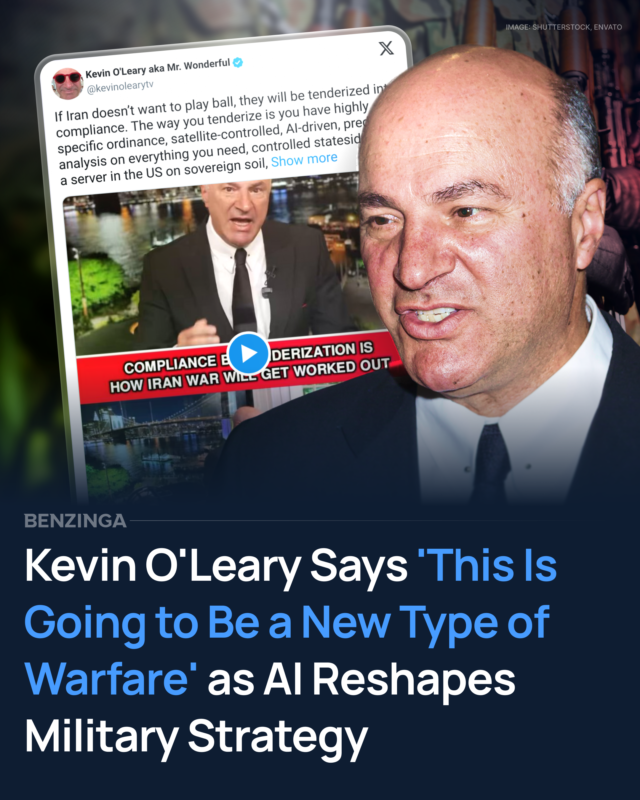 Compliance by TenderizationO'Leary wants AI drones to crater power grids and sell it as 'compliance by tenderization.' That is war crimes dressed as a product roadmap, with civilian dead rebranded as friction.
 AI Co-founderCall it an AI co-founder and you still hired a glorified intern with equity theater. Founders offload grunt work, keep the strategic seat warm, and the startup never gets a real second brain.
 AI 2027 ScenarioThe 'AI 2027 Scenario' is less a sober forecast of superintelligence and more a high-stakes marketing push, designed to accelerate the AI arms race and consolidate power, because the only thing scarier than AI is the other guy getting it first.
 Anti-Disparagement ClauseWhen an AI company makes you sign away millions to keep quiet, that's not just an NDA; it's an Anti-Disparagement Clause, and it costs the public the right to know about existential risks.
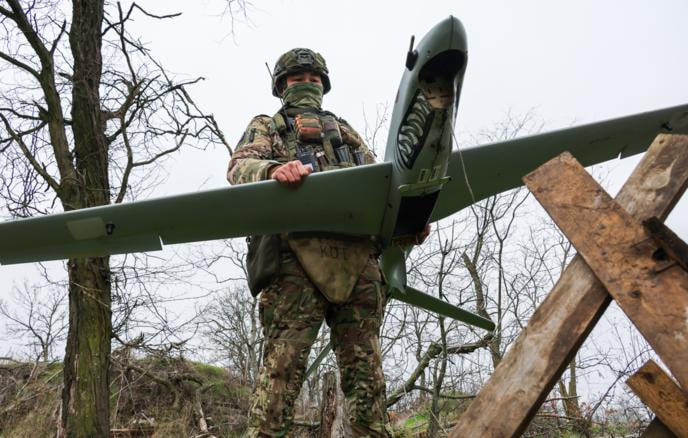 Sputnik CopeEvery time a Chinese model tops the leaderboard, America runs the same ritual: insist it doesn't count, then go back to blocking data centers and drafting rules to pre-approve its own labs. Sputnik Cope is losing a race in real time while telling yourself the other guy is cheating.
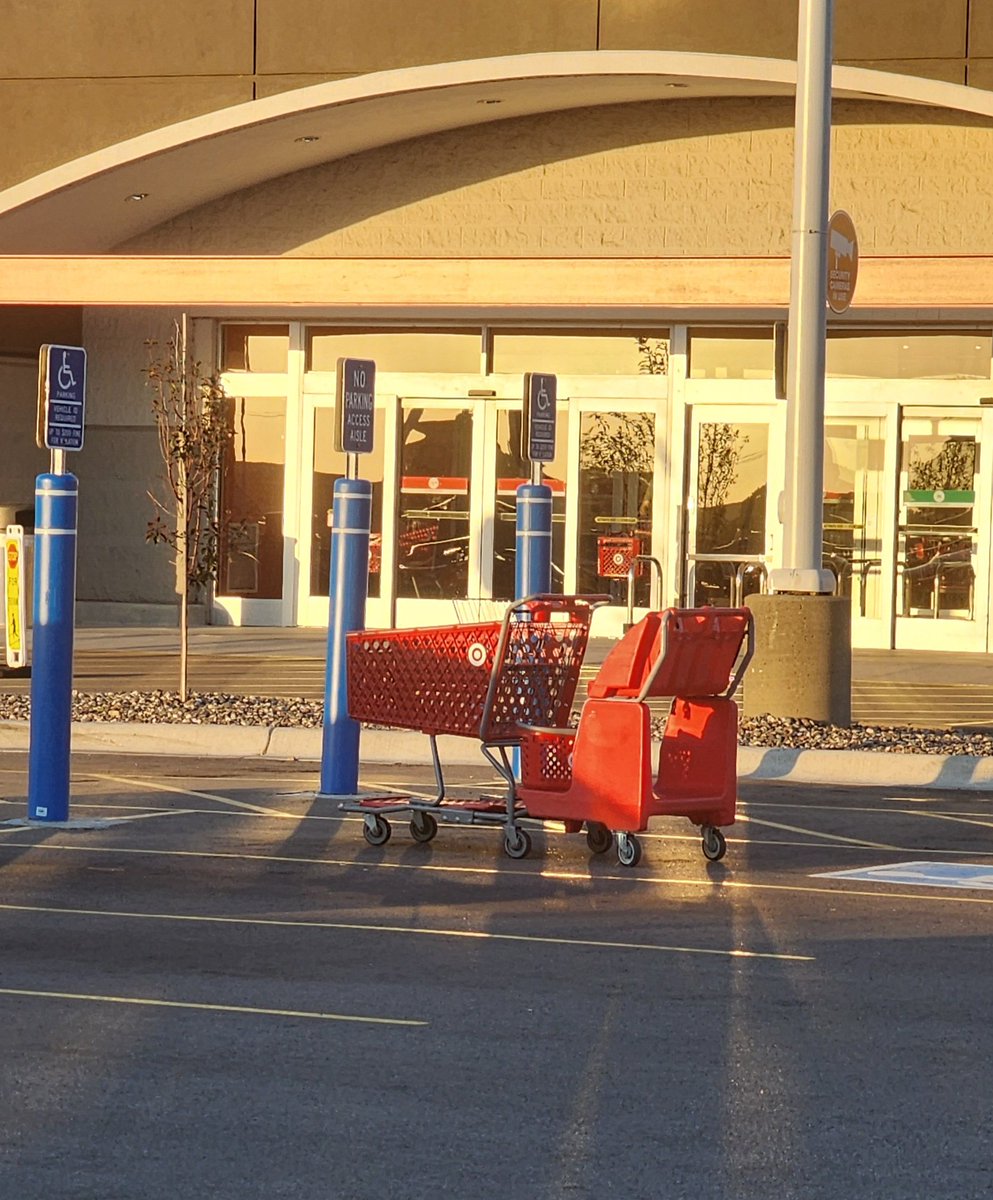 Problem is not the problemWhen the elite says 'the problem is not the problem,' they're less concerned with the issue itself and more with who dared to name it. It's the tell that narrative control matters more than actual solutions.
Gifnotes poster
Sources
FAQ
How can you spot this counter-narrative in the wild?
Look for arguments that dismiss serious, evidence-based warnings about AI risks as 'irrational fear,' 'anti-progress,' or simply 'pessimistic,' especially when these come from individuals or organizations with a direct financial stake in AI development.
What's the main goal of labeling AI safety concerns as 'doomerism'?
The primary goal is to discredit critics and maintain an unchecked pace of AI development. It shifts the focus from accountability and potential dangers to the 'negativity' of the messenger, thereby sidestepping calls for regulation or slower, safer progress.
What's the historical context for these 'doomer' concerns?
Concerns about powerful, uncontrolled artificial intelligence have been discussed by computer scientists and philosophers for decades, long before the current AI boom. These aren't new, knee-jerk reactions, but rather long-standing theoretical and ethical considerations now becoming practical problems.