
Dopamine Websites

The take
These sites do not teach impulse control. They relocate the itch. Dopamine websites are impulse displacement machines dressed as tools, feeds, or 'just one more' loops.
The Tell
Dopamine websites: impulse displacement sold as a feature.

Stakes
These platforms matter because they offer the illusion of behavioral control, letting users chase the high of anticipation without ever having to face the reality of their desires or their consequences. This creates a new kind of digital dependence, merely shifting the target of an impulse rather than resolving its root cause.
Source Dispatch
The read
The mainstream pitch for dopamine websites is that they're a clever hack for self-discipline: a safe, low-stakes sandbox where you can practice breaking bad habits.
Think of it as a digital diet, letting you browse endless food menus or shopping carts to get that familiar hit of anticipation, all without actually spending money, smoking, or giving into other impulsive habits. It sounds like a win-win for impulse control.
But the reality is more complicated. Instead of fostering genuine self-mastery, these sites often create a new, frictionless arena for the same addictive loop.
They offer the thrill of the chase, the digital phantom limb of desire, but never the confrontation with the underlying urge or its aftermath. This isn't control; it's displacement, a digital placebo that keeps the reward circuit humming without ever demanding real change.
The concrete fight here is between true behavioral change and the tech industry's incentive to provide an endless, low-friction simulation of it. While these platforms capture attention and data, they risk delaying the hard work of confronting core behavioral challenges.
It's a convenient way to feel like you're in control, without actually having to be.
In the wild
- South Korea features 'dopamine websites' allowing users to simulate impulse satisfaction (e.g., browsing food menus) without actual consumption.
- The idea is simple: get the familiar dopamine hit without spending money, smoking, or giving into other impulsive habits.
- Studies on digital addiction highlight how even the anticipation of online rewards can create powerful, self-reinforcing loops.
- Articles promoting 'habit redirection' apps often overlook the distinction between managing symptoms and addressing underlying behavioral patterns.
- Episode: AI's Fan Fiction Problem, Dopamine Websites, and Gay Certification Bureaucracy (https://www.youtube.com/watch?v=U0GSejBI_Bg)
Related
 Vibe CodingVibe coding was sold as everyone becoming a software mogul. What it actually does is liquidate entry-level coding jobs and leave the high-agency architect as the only adult in the room who can debug the beautiful mess a model spat out in three seconds.
 Well-Intentioned HarmThe real cost of 'good intentions' is often well-intentioned harm: the predictable outcome when systems reward moral signaling over measurable results, making empathy a liability. Understand it to spot policies that look virtuous but leave you holding the bag.
 Euphoric PlagueThe real risk of a 'euphoric plague' isn't a bioweapon that makes you happy to spread disease, but the digital dopamine loops that turn us into unwitting super-spreaders of narratives, regardless of the cost.
 Automated DisciplineSelf-help is selling you a new identity sticker for an old trick: fake it till your subconscious complies. Automated Discipline dresses 'fake it till you make it' as neuroscience, while consistent effort stays the only cheat code that ships.
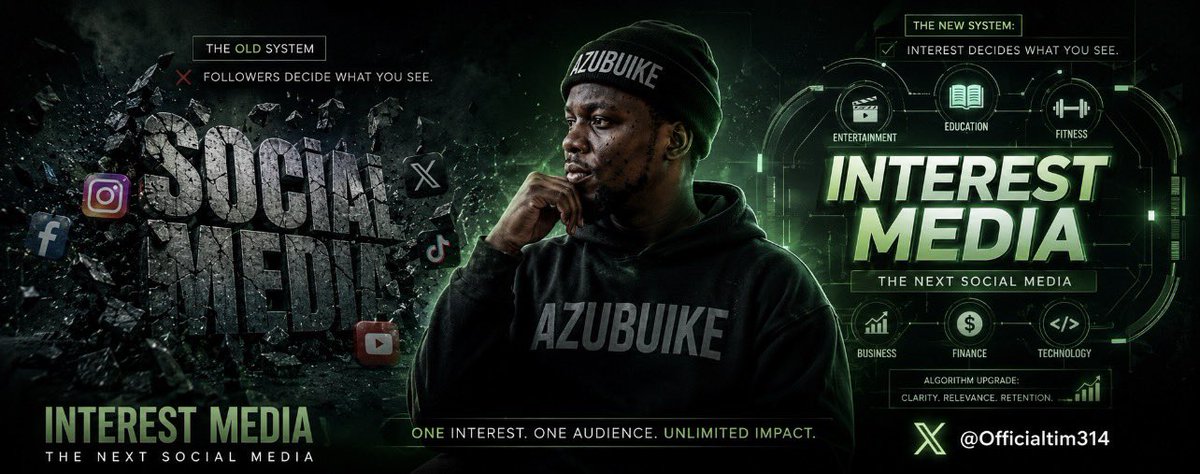 Interest MediaInterest media is the attention economy's rebrand. Organic reach now costs creators endless content or cash, and 'free' visibility is a high-effort trap.
 Online Disinhibition EffectThe Online Disinhibition Effect reveals the cost of platforms that reward performative outrage over genuine discourse. It's the internet's tell: what looks like a bug in human behavior is often a feature of algorithmic design.
Gifnotes poster
Sources
FAQ
How do dopamine websites actually work?
They simulate the reward-seeking phase of an addictive behavior, like browsing items or planning purchases, but without the actual consumption or spending. This triggers a dopamine release from the anticipation, offering a 'hit' without the real-world consequence.
Are these sites genuinely helpful for breaking bad habits?
While they might offer a temporary distraction or a sense of control, critics argue they can reinforce the addictive loop by providing a new, digital outlet for the impulse rather than helping users confront and resolve the underlying desire or its triggers.
What's the potential long-term impact of using dopamine websites?
The long-term impact could include a continued reliance on external stimuli to manage impulses, delaying genuine self-mastery. It might also shift the addiction from a tangible behavior to a digital one, without addressing the core issues of impulse control or delayed gratification.