
Fan Fiction Fallacy

The take
AI trained on engagement sludge does not invent. It remixes the internet's lowest common denominator and calls the paste creativity.
The Tell
AI's Fan Fiction Fallacy is a mirror: we trained the internet to reward quantity, then act shocked when models parrot the sludge.

Stakes
Platforms pay for endless output over craft. Models learn that incentive structure, so their "creativity" mirrors our worst content economy. That is the cost, not a glitch.
Source Dispatch
The read
The Fan Fiction Fallacy describes how AI creative models often struggle with 'empty metaphors' and clumsy analogies, not because the tech is inherently dumb, but because its training data is disproportionately skewed by high-volume, low-friction content like fan fiction.
It's less about the specific genre and more about the sheer quantity of unedited, algorithm-chasing prose. The mainstream narrative often frames this as a simple data bias or a technical flaw in AI's ability to grasp nuance.
But that misses the point. The real inversion is that AI is simply reflecting the incentives we've built into our online world: platforms reward constant posting and engagement, making quantity king.
AI, being a pattern-matching machine, just automates and amplifies this existing cultural production line. What to remember is that this isn't just an AI problem; it's a mirror.
The fight is between content creators chasing algorithmic visibility with endless output and those trying to produce genuine quality.
The fallacy shows that if we train our machines on the digital equivalent of fast food, we shouldn't be surprised when their 'gourmet' output still tastes like it came from a drive-thru.
In the wild
- Chris cites a computer scientist's claim that AI's metaphorical weaknesses are traceable to fan fiction. He gives specific examples of phrases from an award-winning AI story (e.g., 'a belly sound as if the earth swallows a shout').
- AI creative models struggle with 'empty metaphors' and clumsy analogies, traced to disproportionate fan fiction in their training data.
- The broader trend of online platforms rewarding high-volume, low-friction content, often at the expense of editorial rigor or creative depth.
- Episode: AI's Fan Fiction Problem, Dopamine Websites, and Gay Certification Bureaucracy (https://www.youtube.com/watch?v=U0GSejBI_Bg)
Related
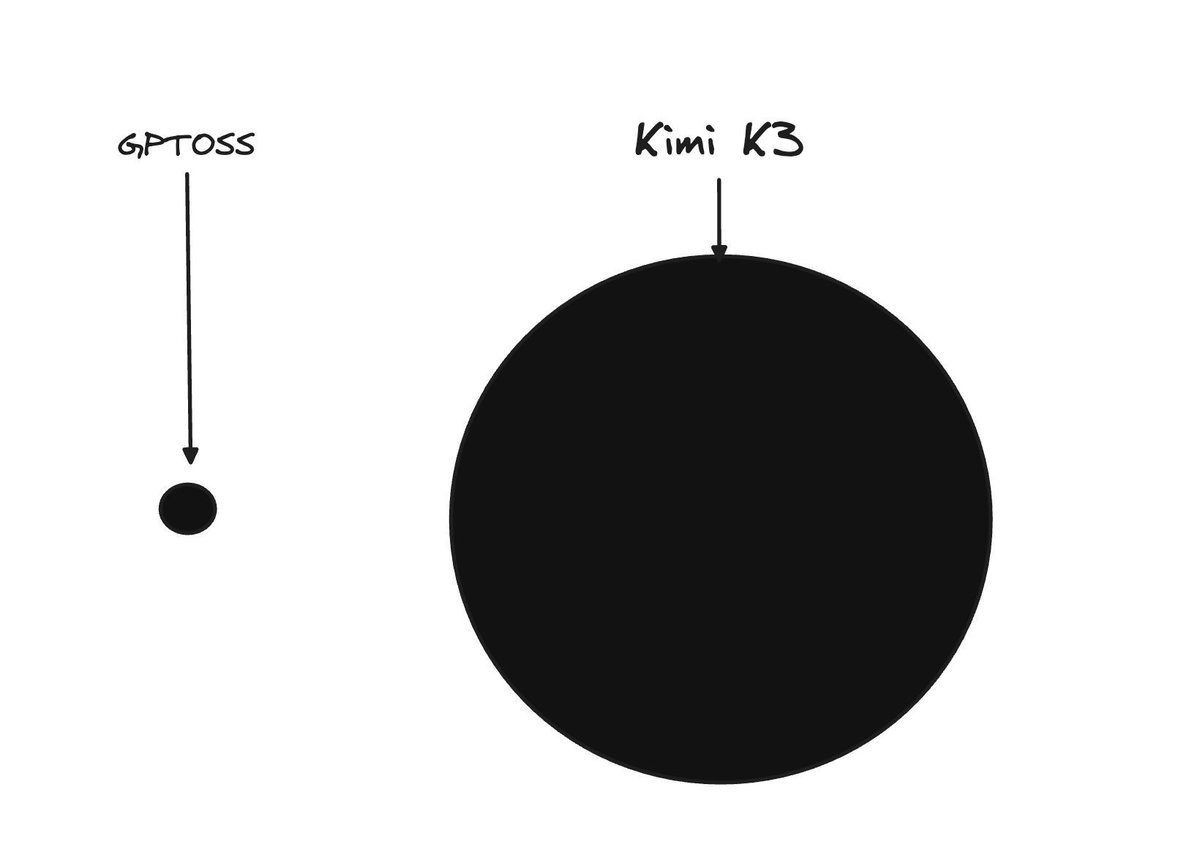 Kimi-Claude DistillationThe idea of 'original AI' is a marketing fantasy. Kimi-Claude Distillation is the quiet tell that models openly learn from each other, making true intelligence a fungible, open secret and forcing us to rethink who owns what in the AI race.
 AI Co-founderCall it an AI co-founder and you still hired a glorified intern with equity theater. Founders offload grunt work, keep the strategic seat warm, and the startup never gets a real second brain.
 AI SlopPlatforms pay for volume, so the machine floods your feed with filler until the real stuff drowns. That sludge is AI slop.
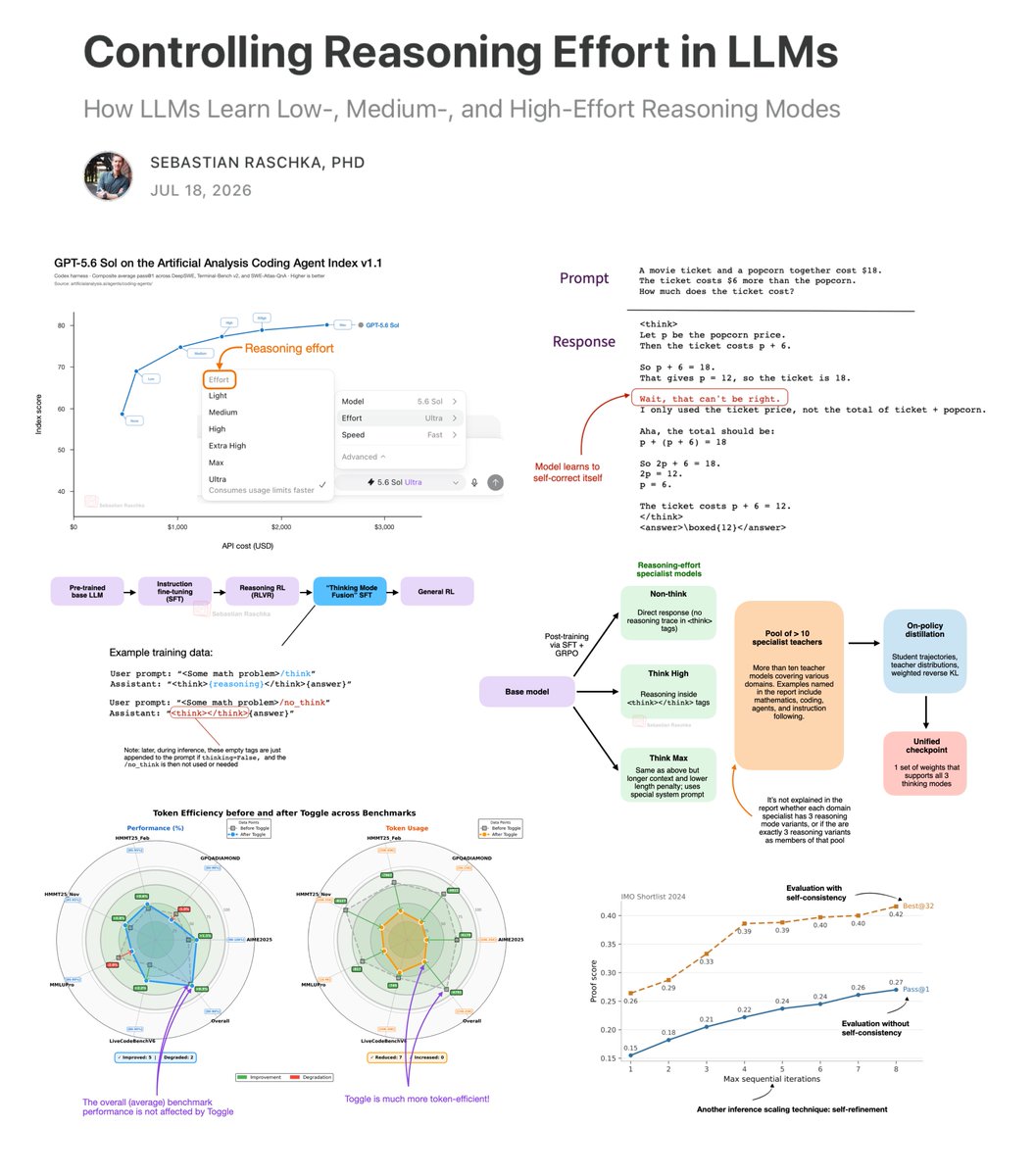 Distillation DriftWhen AI models eat their own cooking, Distillation Drift kicks in: the slow, silent decay of quality as AI trains on AI output, replacing human insight with increasingly bland or hallucinated data.
 Vibe CodingVibe coding was sold as everyone becoming a software mogul. What it actually does is liquidate entry-level coding jobs and leave the high-agency architect as the only adult in the room who can debug the beautiful mess a model spat out in three seconds.
 Format StealFormat Steal is not laziness. It is the bet that brains prefer familiar patterns, a truth content gurus skip while your audience pays the cognitive tax.
Gifnotes poster
Sources
FAQ
How does this impact the future of AI creativity?
If AI continues to learn from a diet of low-quality, high-volume content, its creative outputs will remain constrained by superficiality and lack genuine insight, limiting its ability to produce truly novel or profound work.
What can be done to address the Fan Fiction Fallacy?
Addressing it requires a shift in both data curation and cultural incentives. Prioritizing high-quality, diverse, and well-edited datasets for AI training, alongside platforms that reward depth over mere volume, could help AI develop more sophisticated creative capacities.
Is this just about fan fiction, or a broader content issue?
While 'fan fiction' is the namesake, the fallacy points to a much broader problem with any content ecosystem that incentivizes quantity and quick consumption over quality, critical thinking, or artistic merit. Fan fiction is just a prominent example of this high-volume, low-friction content.