Format Steal

The take
Format Steal is not laziness. It is the bet that brains prefer familiar patterns, a truth content gurus skip while your audience pays the cognitive tax.
The Tell
Why invent the wheel when you can re-tire it? Format stealing is just good psychology with fewer egos.

Stakes
Understanding format stealing gives you agency in a content landscape obsessed with 'originality' that often misreads human psychology. It matters because it reveals why some content goes viral and others don't, letting you play the game smarter instead of just harder.
Source Dispatch
The read
Format Steal is the content creator's version of open-source software: why build from scratch when battle-tested frameworks already exist and are proven to work on human brains?
It's the pragmatic approach of adapting successful content structures and presentation styles to new topics or brands, leveraging what already resonates with an audience.
The prevailing narrative in creative fields often shames 'copying' or 'stealing' as unethical, unoriginal, and a sign of creative bankruptcy, pushing for constant, unique innovation.
This moralizing ignores the practical reality that human psychology responds to familiarity and established patterns. When your brain encounters a format it has never seen before, it does not get excited, it gets confused.
And confusion is the fastest path to a scroll. 'Format stealing' isn't a failure of imagination, but a strategic efficiency that reduces cognitive load for the audience and increases the likelihood of viral spread by tapping into pre-existing mental models.
It's the fight between the romantic ideal of 'originality' often promoted by content gurus (which benefits from endless novelty) versus the data-driven approach of leveraging proven psychological triggers that actually drive engagement and virality.
In the wild
- The "mere exposure effect" demonstrates that the more something is seen, the more it is liked, leading to the strategy of "format stealing", adapting already successful content structures to a new brand.
- Speaker: When your brain encounters a format that has never seen before, it does not get excited, it gets confused. And confusion is the fastest path to a scroll.
- Viral content creation hinges on the "mere exposure effect," where viewers favor formats their brains already recognize and like, making "format stealing" (adapting proven content structures) more effective than inventing original content.
- Episode: What Getting 3 Billion Views Taught Me About Human Psychology (https://www.youtube.com/watch?v=KkK-Y7GiQ2o)
Related
 Automated DisciplineSelf-help is selling you a new identity sticker for an old trick: fake it till your subconscious complies. Automated Discipline dresses 'fake it till you make it' as neuroscience, while consistent effort stays the only cheat code that ships.
 GIST FilterYouTube's GIST filter is less about 'originality' and more about platform-enforced scarcity, a new algorithmic gatekeeper designed to re-monetize creator attention. Fail its AI-driven originality check, and you risk a shadowban, forcing higher production value just to stay visible.
 NewsjackNewsjacking is when a brand or influencer hijacks a trending news story or event to promote their own sh*t. Basically the digital equivalent of an ambulance chaser, but for clicks.
 Curiosity TrapMarketers and cult leaders open a knowledge gap on purpose so you cannot look away until they close it. Curiosity Trap is that hijack of your attention budget, sold as engagement craft.
 Fan Fiction FallacyAI trained on engagement sludge does not invent. It remixes the internet's lowest common denominator and calls the paste creativity.
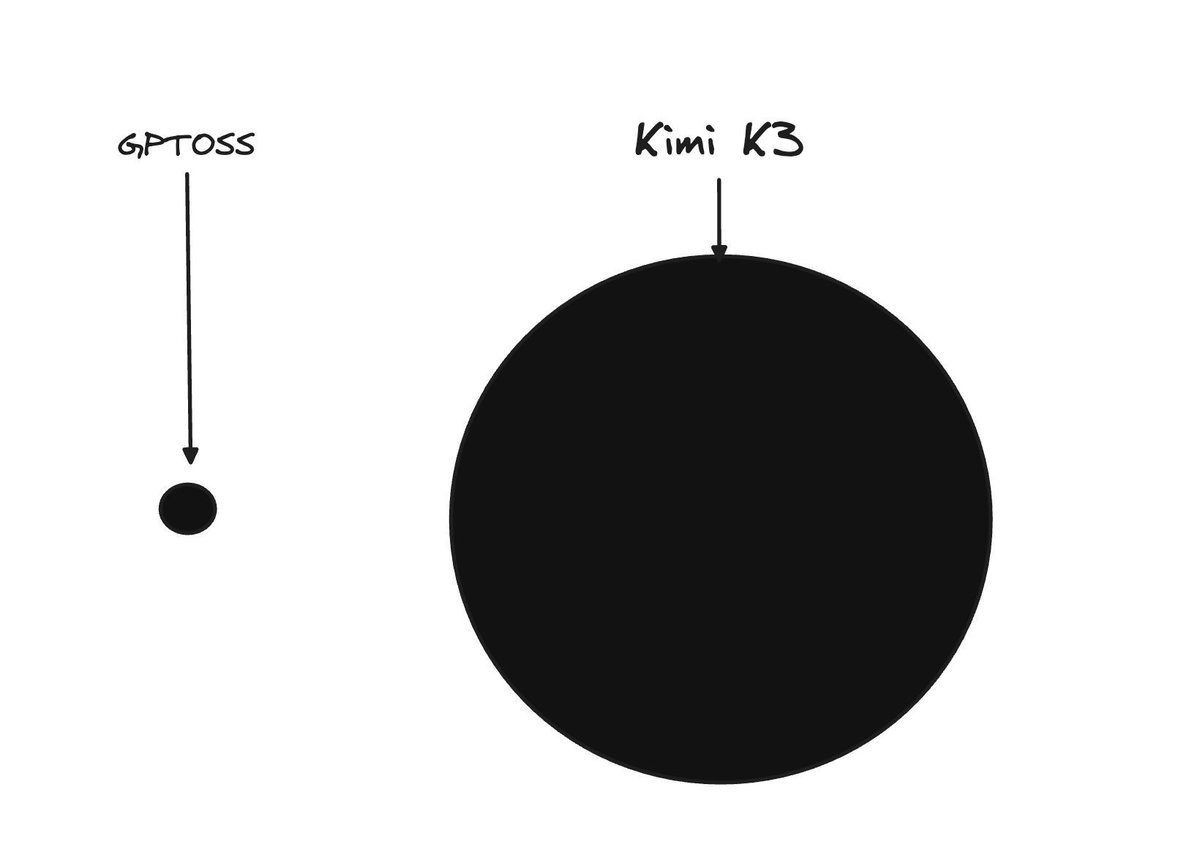 Kimi-Claude DistillationThe idea of 'original AI' is a marketing fantasy. Kimi-Claude Distillation is the quiet tell that models openly learn from each other, making true intelligence a fungible, open secret and forcing us to rethink who owns what in the AI race.
Gifnotes poster
Sources
FAQ
How does 'Format Steal' differ from plagiarism?
Plagiarism is about stealing someone else's specific content or ideas without attribution. Format Steal is about adopting the *structure* or *presentation style* of successful content, not the content itself. It's like using a popular movie genre for a new story, not copying the script.
What's the biggest trap when trying to 'format steal'?
The biggest trap is thoughtless imitation. A true format steal adapts the proven structure to new, relevant content, ensuring it still provides unique value or perspective. Simply slapping your logo on someone else's content idea without adding your own spin will likely fall flat.
Why do content platforms often push for 'originality' if familiarity is so effective?
Platforms benefit from a constant stream of novel content, as it keeps users engaged and gives them more data to train their algorithms. While they reward engagement, they rarely explain the underlying psychology of *why* certain content engages, leaving creators to chase an often-inefficient ideal of pure originality.