
GIST Filter

The take
YouTube's GIST filter is less about 'originality' and more about platform-enforced scarcity, a new algorithmic gatekeeper designed to re-monetize creator attention. Fail its AI-driven originality check, and you risk a shadowban, forcing higher production value just to stay visible.
The Tell
YouTube's GIST filter: 'Originality' is their word for scarcity. Create something new, or don't get seen.

Stakes
This filter matters because it shifts the burden of 'originality' onto creators, turning content production into an arms race for AI-approved novelty. It's a clear signal that platforms are leveraging AI to control content supply, benefiting their ad inventory and potentially established media over independent creators, while pushing everyone else into algorithmic oblivion.
Source Dispatch
The read
YouTube's 'GIST filter,' deployed in early 2026, is a concrete example of platforms using AI not just for better recommendations, but for explicit content moderation based on perceived originality.
This system analyzes videos for similarities in wording, topic, and conclusion, effectively acting as a digital bouncer that blocks unoriginal content from reaching the main recommendation engine.
For creators, this means a higher cost of entry for visibility, forcing more investment in genuinely novel ideas. The mainstream take frames the GIST filter as a necessary tool to combat content saturation and improve viewer experience by promoting 'original' content.
They argue it cleans up the feed, making it easier for users to find fresh perspectives.
What this take ignores is that 'originality' is a subjective metric weaponized by platforms to control creator output and capture more value, turning content creation into an arms race for AI-approved novelty rather than organic engagement or genuine community building.
Ultimately, this is Google (YouTube) leveraging its AI to control the supply of 'discoverable' content.
It's a move that benefits the platform's bottom line by optimizing ad inventory and data capture, and potentially favors established media companies with larger budgets for high-production, 'original' content.
Independent creators, meanwhile, are forced to invest more time, money, or sheer innovation just to secure visibility, or face the algorithmic shadowban for falling short of an AI's definition of unique.
In the wild
- Romayroh: So, if you make a video that is too similar in the wording or the topic or the, um, I guess conclusion, your video is not going to pass the GIST filter, and it's never going to recommend it.
- YouTube's 'GIST filter,' deployed January 23, 2026, is a digital grim reaper, 'shadowbanning' copycat content that fails its originality check on wording, topic, and conclusion.
- The solution to copycat content is 'GIST,' a mini-Gemini that filters out duplicates before they reach the main AI. He states it was added on 'Friday, January 23rd of 2026.'
- Episode: YouTube's 2026 Algorithm: Net Information Gain, GIST Filter, & Semantic IDs (https://www.youtube.com/watch?v=mPHdSkvoN10)
Related
 Kimi-Claude DistillationThe idea of 'original AI' is a marketing fantasy. Kimi-Claude Distillation is the quiet tell that models openly learn from each other, making true intelligence a fungible, open secret and forcing us to rethink who owns what in the AI race.
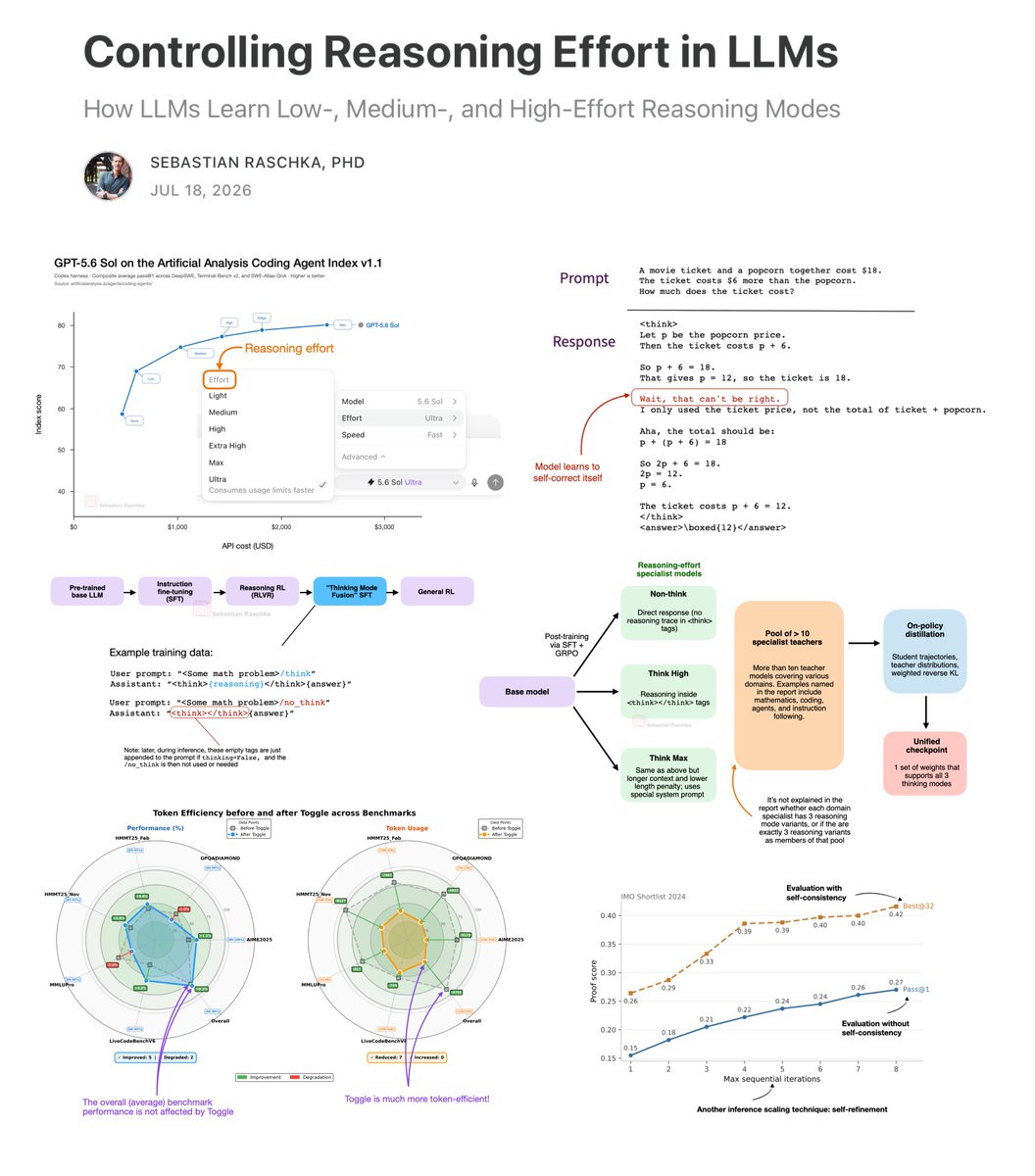 Net Information GainGoogle strip-mines YouTube for AI Overviews, then shadow-taxes creators who do not feed its novelty filter. Net Information Gain is discoverability rewritten as a GIST obedience test.
 Semantic IDsCreators now have to speak machine before they speak human. Semantic IDs turn YouTube authority into precision against Google's coded node vocabulary, not just topical vibes.
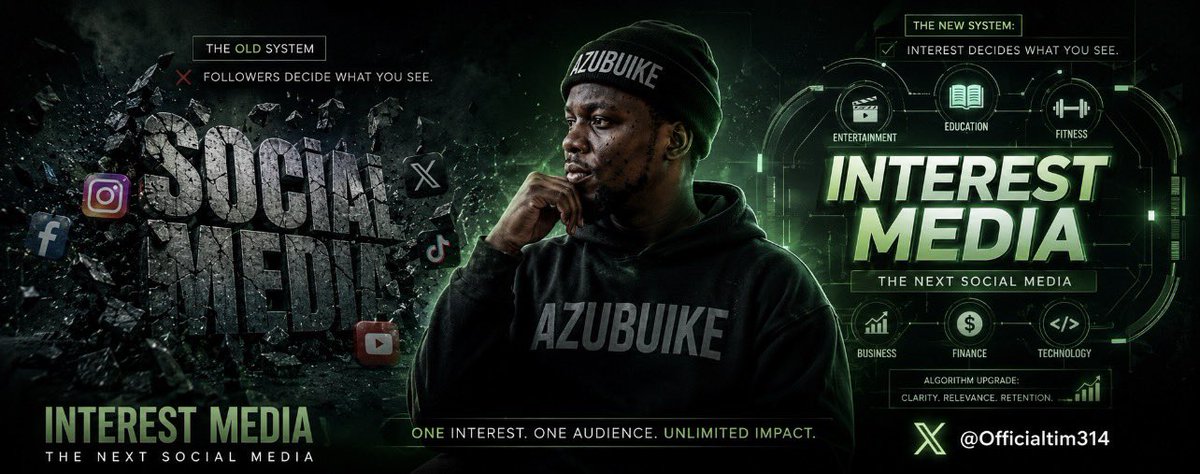 Interest MediaInterest media is the attention economy's rebrand. Organic reach now costs creators endless content or cash, and 'free' visibility is a high-effort trap.
 AI SlopPlatforms pay for volume, so the machine floods your feed with filler until the real stuff drowns. That sludge is AI slop.
 Reinvestment TreadmillMrBeast isn't rich the way you think. The reinvestment treadmill is the trap underneath 'content-first' economics: every dollar has to be fired back into a bigger spectacle, because the second you stop escalating, the algorithm treats you like you're already dead.
Gifnotes poster
Sources
FAQ
What is the core function of the GIST filter?
It's an AI system designed to detect and suppress content that is too similar in topic, wording, or conclusion to existing videos, preventing it from being recommended by YouTube's main algorithm.
How does the GIST filter impact content creators?
It forces creators to invest more in genuinely novel or uniquely presented content to avoid algorithmic suppression, shifting the focus from sheer volume to high-quality, distinct ideas.
What is the underlying incentive for YouTube to implement such a filter?
By enforcing content scarcity and 'originality,' YouTube can optimize its ad inventory, capture more value from creator attention, and potentially favor higher-production content that aligns with its business goals.