
Lightning Indexer

The take
Ingenuity now beats brute force in the AI arms race, and the Lightning Indexer is the architectural tell that proves it, making advanced AI accessible to agile teams because the future of AI isn't just about who has the biggest supercomputer.
The Tell
Turns out, you don't need a supercomputer to win the AI race. Just build smarter. The Lightning Indexer is how.

Stakes
This is a direct challenge to the idea that only mega-corporations with infinite compute can advance AI. The Lightning Indexer lets smaller teams compete on performance and shape AI development without a nation-state budget.
Source Dispatch
The read
The Lightning Indexer is essentially a built-in search engine for large language models, designed to selectively retrieve only the most relevant, compressed pieces of information from massive context windows.
Instead of forcing an LLM to process every single token in a long document, this mechanism intelligently identifies and pulls only what's critical, dramatically boosting efficiency and reducing computational overhead.
The mainstream narrative often frames AI progress as an inevitable march toward ever-larger models, requiring escalating compute and capital, primarily benefiting giants like OpenAI. However, technologies like the Lightning Indexer invert this premise.
DeepSeek V4-Pro, developed by a team 40 times smaller than OpenAI and without top-tier NVIDIA chips, achieves performance comparable to leading closed AI models precisely by focusing on architectural efficiency over brute-force scale.
This creates a concrete fight: well-funded AI behemoths relying on massive infrastructure versus smaller, innovative teams leveraging architectural breakthroughs to compete on performance with a fraction of the resources. 2.
This is a battle for market share and the very direction of AI development, proving that smart design can still outmaneuver raw power.
In the wild
- Further, a 'Lightning Indexer' acts as a built-in search engine to selectively pick out only the most relevant compressed pieces, ignoring the rest.
- DeepSeek V4-Pro, from a team 40 times smaller than OpenAI and lacking top-tier NVIDIA chips, achieves performance comparable to leading closed AI models by focusing on architectural efficiency.
- The new 'Hybrid Attention' architecture allows DeepSeek V4-Pro to process a 1 million token context window using only 27% of the compute and 10% of the KV cache memory required by its already efficient predecessor, DeepSeek V3.2.
- Episode: DeepSeek V4: Underdog AI's Million-Token Efficiency Breakthrough (XJUpuOBpT-4) (https://www.youtube.com/watch?v=XJUpuOBpT-4)
Related
 Compliance by TenderizationO'Leary wants AI drones to crater power grids and sell it as 'compliance by tenderization.' That is war crimes dressed as a product roadmap, with civilian dead rebranded as friction.
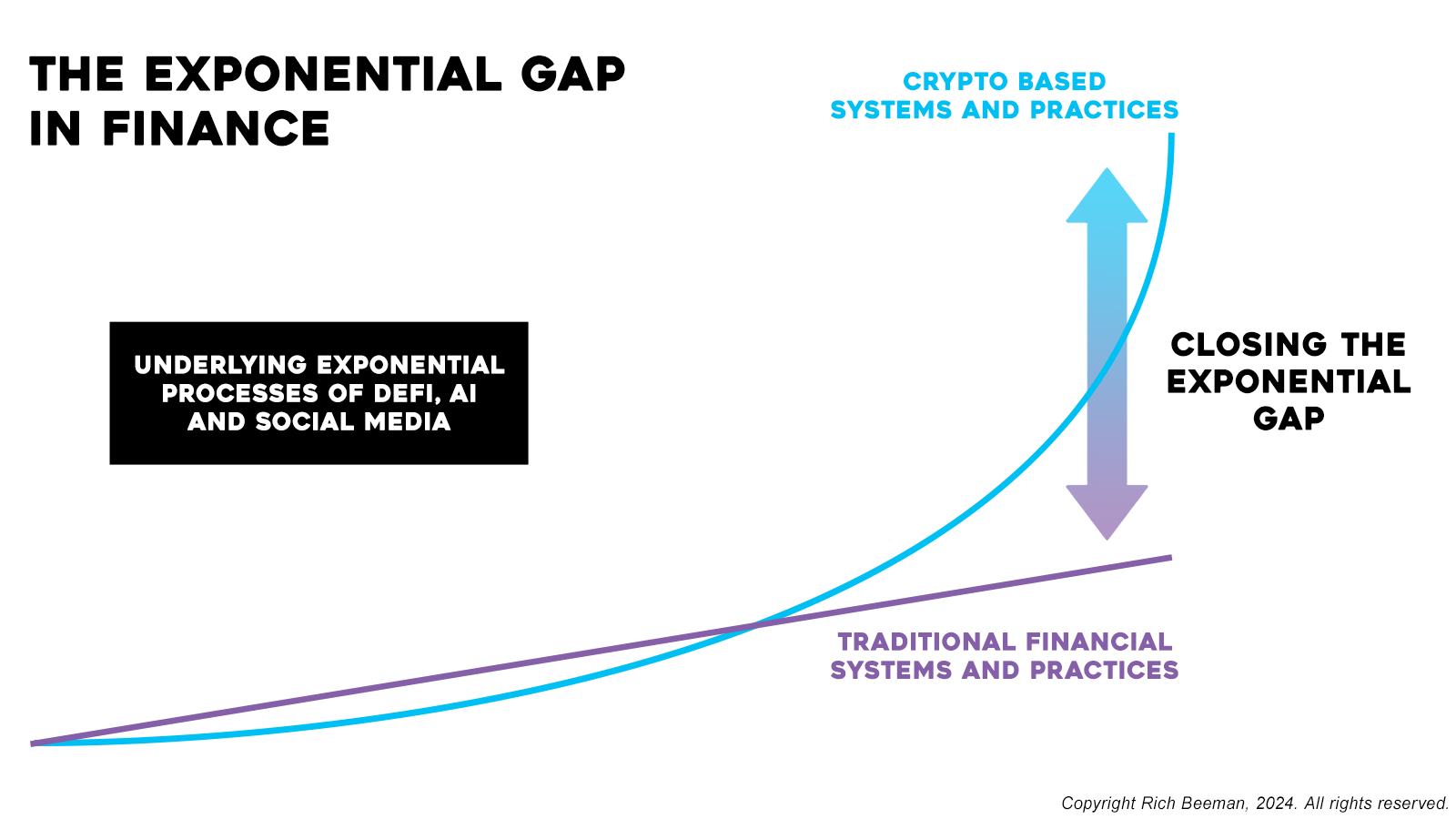 Exponential Gap in FinanceRegulators say 'risk' and mean 'protect the incumbents.' The Exponential Gap in Finance is the widening chasm where legacy finance uses caution theater to slow anything that compounds faster than a quarterly report.
 Table Stakes (Tech)'Table stakes' used to mean the boring features every product shipped. In AI, it means the trust floor that demos keep torching while VCs clap for the next brittle miracle.
 Hybrid Attention ArchitectureBrute-force context windows are a tax, not a virtue. Hybrid Attention Architecture bets on selective recall over memorizing the whole firehose, and that is the real cost unlock for long sequences.
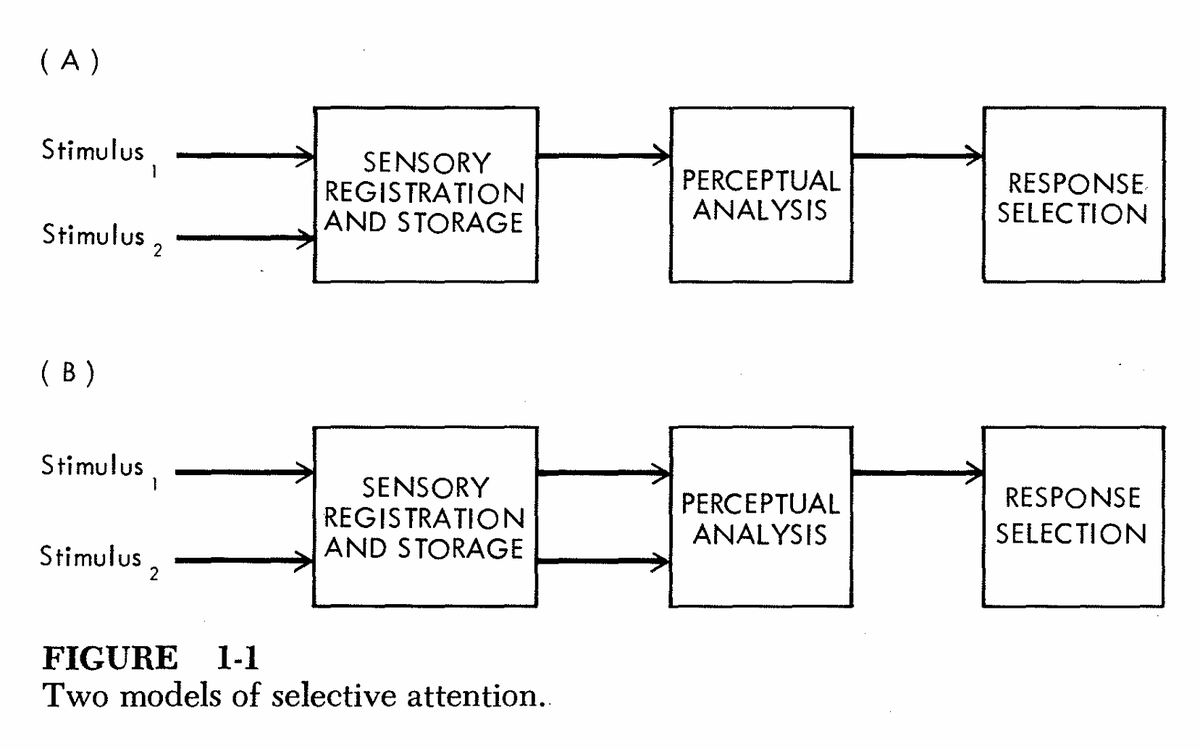 Attention BottleneckTrying to remember literally everything makes AI models expensive and dumb. The Attention Bottleneck is the fundamental design flaw that chokes their ability to scale, a massive cost for anyone building the next generation of intelligence.
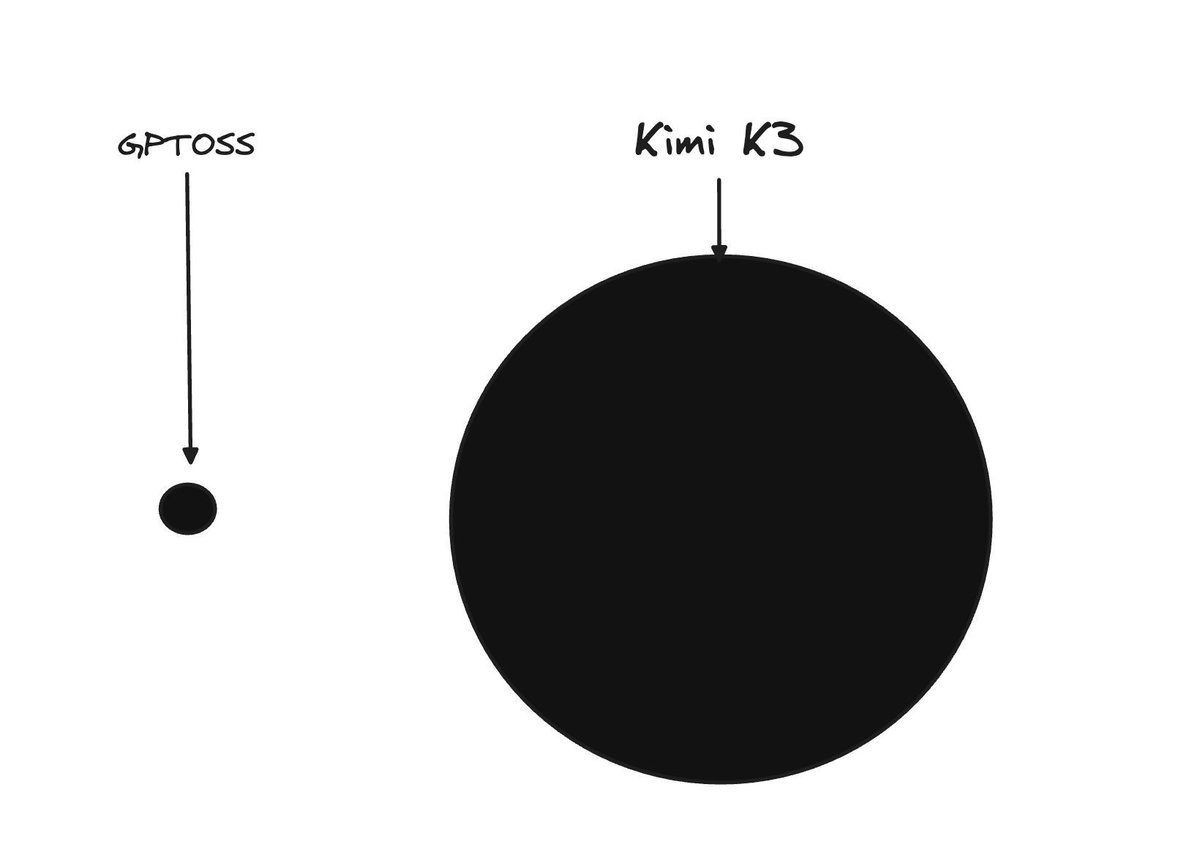 Kimi-Claude DistillationThe idea of 'original AI' is a marketing fantasy. Kimi-Claude Distillation is the quiet tell that models openly learn from each other, making true intelligence a fungible, open secret and forcing us to rethink who owns what in the AI race.
Gifnotes poster
Sources
FAQ
How does the Lightning Indexer make LLMs more efficient?
It acts like a smart filter, letting the LLM quickly find and use only the most important parts of a long text, rather than wasting resources scanning everything. This saves a ton of processing power and memory.
What's the biggest implication for who can build advanced AI?
It democratizes access, allowing smaller teams with less capital and fewer resources to develop highly capable AI models. It shifts the competitive edge from raw compute power to clever architectural design.
Does this mean big tech companies lose their advantage?
Not entirely, but it significantly challenges their dominance. It proves that innovation can still come from agile, lean teams, forcing incumbents to compete on ingenuity as much as on sheer scale and budget.