
Meme a Dream into Reality

The take
When a founder 'memes a dream into reality,' they're not just telling a story; they're publicly performing radical conviction to build a vision from scratch, because the cost of *not* forcing a choice between joining or dismissing their future is being ignored entirely.
The Tell
Meme a dream into reality: The ultimate public performance of conviction. Join the future, or watch it happen without you.

Stakes
For startups this is not soft storytelling. It is a high-stakes play for attention and resources: rally a movement around a future that does not exist yet, or get dismissed as vaporware. The fight is whether that is visionary leadership or social engineering that bypasses traditional validation.
Source Dispatch
The read
Meming a dream into reality is the ultimate public performance of conviction. It's about leveraging social proof and the human desire for belonging, turning early adopters into co-creators of a future that exists more in narrative than in code.
This strategy forces an audience to either commit to the vision or be left behind, often long before a tangible product ever ships. The mainstream frames this as a founder's 'soft skill', charismatic storytelling to build belief and momentum.
But that take misses the radical, almost confrontational, nature of it. It's not just about inspiring; it's about drawing a line in the sand, daring people to believe in a future that, by all traditional metrics, is still a fantasy.
For founders, it's a high-risk, high-reward gamble to reduce the cost of early-stage failure and cut through the noise. For everyone else, understanding this dynamic means recognizing when you're being invited to co-create a future, and when you're simply being sold a story with no substance.
The difference is whether the founder is willing to stake their entire reputation on the dream.
In the wild
- Amjad Masad: If you're trying to meme a dream into reality, I think you have to play that game.
- Replit's early survival and success were driven by the CEO's personal efforts in 'telling a story larger than the company itself' and 'meming a dream into reality.'
- Startup fundraising narratives often focus heavily on 'vision' and the 'future state' rather than current traction.
- Early-stage crypto projects frequently gain massive community buy-in and investment before a working product is launched.
- Episode: Being Canceled is a Choice: Replit CEO on Meming Dreams, Unkillable Founders, and Strategic Candor (https://www.youtube.com/watch?v=rghTqkclDqA)
- If you're trying to meme a dream into reality, I think you have to play that game.
Related
 Reinvestment TreadmillMrBeast isn't rich the way you think. The reinvestment treadmill is the trap underneath 'content-first' economics: every dollar has to be fired back into a bigger spectacle, because the second you stop escalating, the algorithm treats you like you're already dead.
 Theater of the MindTheater of the Mind is the ultimate cope for the soft modern man, because it convinces him that imagining success is the same as earning it, without ever having to face the actual arena.
 SaaspocalypseThe joke stopped being a joke. Vibe-coded custom tools are eating the monthly SaaS stack one workflow at a time. That slaughter is Saaspocalypse.
 Push vs. PivotPush vs. Pivot is the self-help industry's rebrand of "quit vs. commit," making the uncomfortable choice between perseverance and adaptation sound like strategic genius instead of admitting you were wrong.
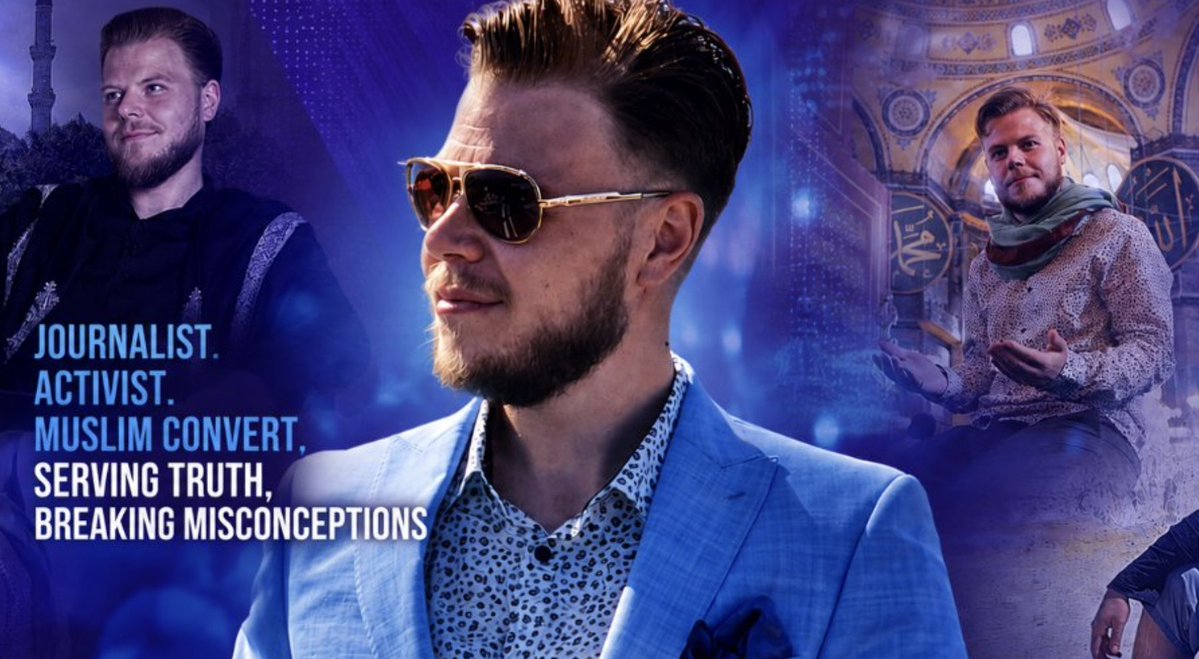 Going Direct (Communication)The corporate ideal frames 'Going Direct (Communication)' as transparency, but that's the trap: its real power is turning a CEO into a prophet and a company into a cause. Leaders who understand this know that selling belief and a compelling personal narrative is the ultimate competitive advantage, because without it, your vision dies.
 Memetic DesireYou rarely invent what you want. Prestige models pick the object first, and your 'taste' shows up fashionably late. That quiet racket is memetic desire.
Gifnotes poster
Sources
FAQ
How does 'meming a dream' differ from traditional marketing?
Traditional marketing sells an existing product; meming a dream sells a future that doesn't quite exist yet, inviting the audience to help build it through belief and participation.
What's the biggest risk for a founder who tries this?
The primary risk is being exposed as all talk and no action, losing credibility, and being labeled a fraud or selling 'vaporware' if the vision fails to materialize even partially.
Can this strategy work for established companies, or just startups?
While most effective for early-stage ventures building from scratch, established companies can use similar principles for radical new product lines or shifts in company mission, but the stakes are often higher due to existing reputation and expectations.