Noble Lie (Nolan)

The take
Christopher Nolan's recurring "noble lie" is a trap, revealing how easily we trade uncomfortable truths for comforting fictions, often with unforeseen moral costs for both the deceiver and the deceived.
The Tell
Nolan's "noble lie" isn't just a plot twist. It's the news feed. We're all complicit in the comforting fiction.

Stakes
It matters because Nolan's films aren't just telling a story; they're a mirror, showing how societies, and individuals, often prefer a well-crafted illusion of stability over the messy, inconvenient truth, inviting us to question who benefits from that curated reality.
Source Dispatch
The read
The "noble lie" is a core philosophical thread running through Christopher Nolan's filmography, a recurring narrative device where characters employ deception for what they believe is a greater good.
From Batman's sacrifice to preserve Harvey Dent's legacy to the hidden truths of interstellar travel, Nolan consistently explores the ethical tightrope walked by those who choose to manipulate reality for perceived societal benefit.
The common read is that Nolan uses these lies to showcase the difficult ethical dilemmas faced by leaders, forcing them to make impossible choices for the collective.
But the deeper cut is how these films implicate the audience. Nolan often asks us to consider our own willingness to accept these comforting fictions, mirroring how easily we embrace curated realities in the news or politics to maintain order or avoid discomfort.
This isn't just about the characters' choices; it's a subtle battle for the viewer's perception. Nolan's narratives, like those in Oppenheimer, subtly probe how much truth society can actually handle versus the palatable fictions it prefers.
The real question isn't whether the lie is noble, but whether we, the audience, are complicit in demanding it.
In the wild
- Sinon's questioning of Odysseus, 'Did you have to lie to me?', highlights Nolan's common theme of the 'noble lie,' seen in films like 'The Prestige,' 'The Dark Knight,' and 'Interstellar,' where characters deceive for a perceived greater good.
- Erik Voss: Christopher Nolan doesn't set this film in a time of actual historically recorded magic, but rather of subjective magic. Magic according to unreliable accounts, seen by unreliable eyes.
- The Commentator: But this is also kind of a trope with Nolan's films, that he likes to prop up his heroes on pedestals, making them superior men filled with regret, rather than them just being, you know, deceitful little shits like men sometimes are in the world.
- Source video (retired Dispatch) (https://www.youtube.com/watch?v=VI6zsIz8J0Q)
Related
 Community Notes (Platform Governance)Community Notes looks like crowdsourced fact-checking. In practice it is how platforms let the majority selectively police narratives that challenge institutions, often burying inconvenient truths under 'context.'
 Curiosity TrapMarketers and cult leaders open a knowledge gap on purpose so you cannot look away until they close it. Curiosity Trap is that hijack of your attention budget, sold as engagement craft.
 Naturalistic Fallacy TrapThe naturalistic fallacy used to be a logic error. Now it doubles as a moral weapon that shuts down inquiry by branding findings about human nature 'problematic' before anyone reads them.
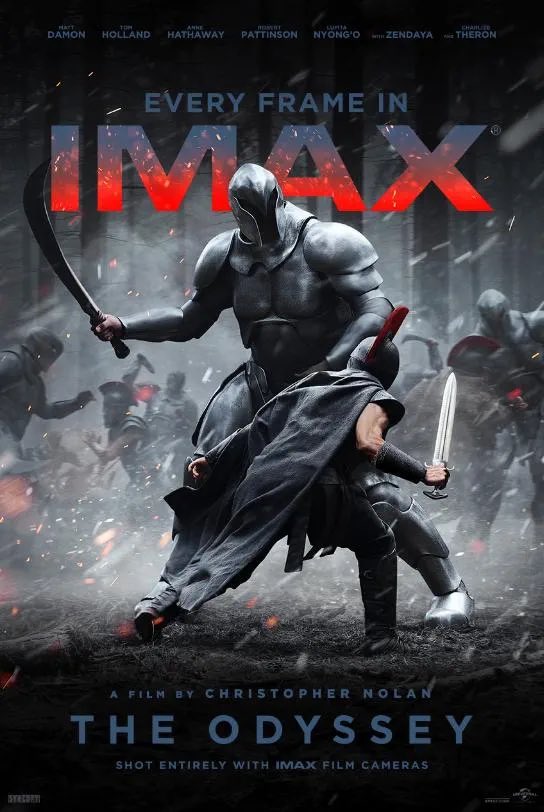 Keighley CameraIMAX spectacle without killing on-set sound: Nolan's Keighley Camera refuses the false choice between epic glass and authentic performance, because ADR is a confession that the take died.
 Well-Intentioned HarmThe real cost of 'good intentions' is often well-intentioned harm: the predictable outcome when systems reward moral signaling over measurable results, making empathy a liability. Understand it to spot policies that look virtuous but leave you holding the bag.
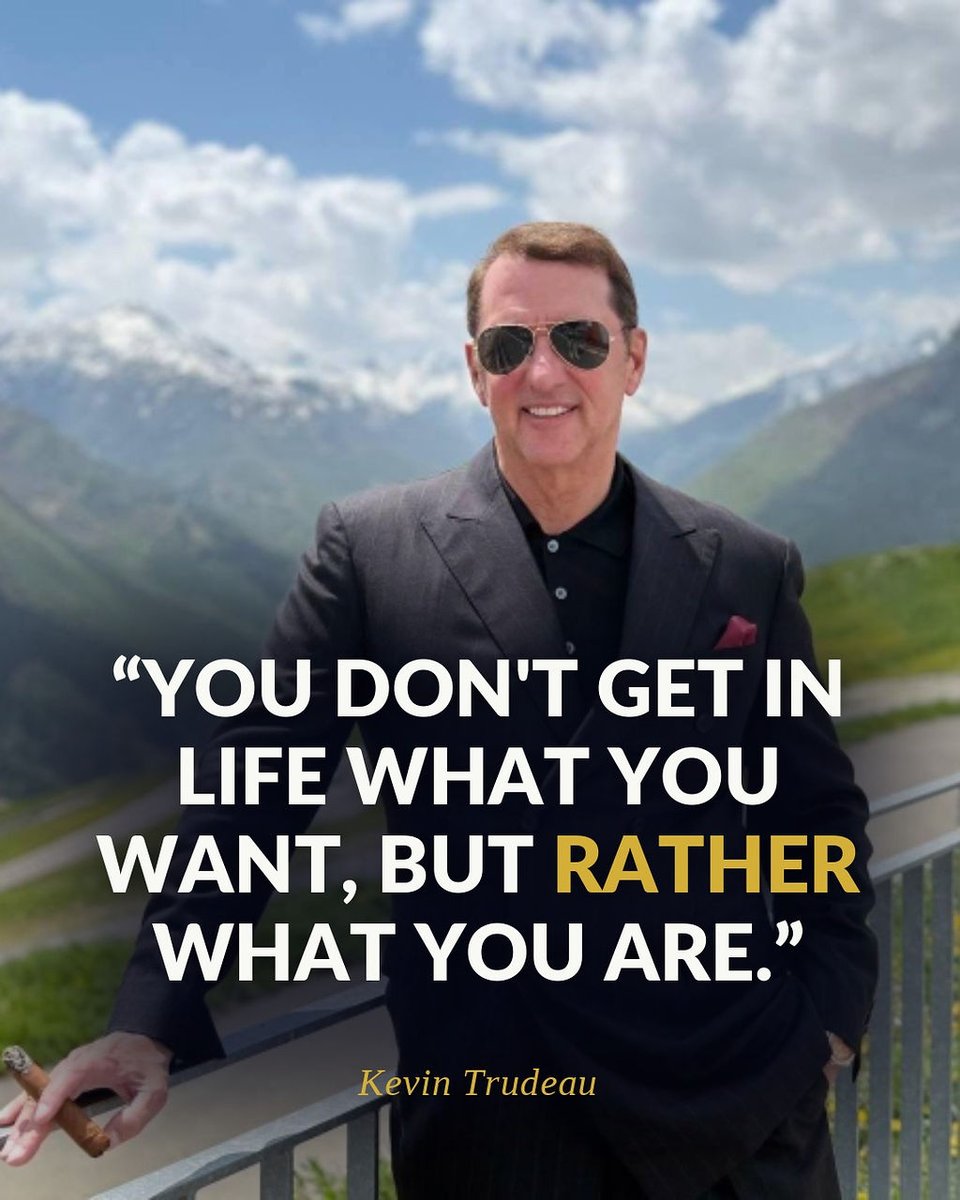 Identity ThermostatBlame a mystical internal ceiling so you never have to admit you skipped the hard set, the hard conversation, or the hard ship. The Identity Thermostat is self-help's favorite alibi.
Gifnotes poster
Sources
FAQ
How does the 'noble lie' challenge traditional heroism?
It complicates the hero's journey by introducing moral ambiguity, suggesting that even good intentions can necessitate morally compromising actions, blurring the lines between savior and manipulator.
What's the real-world parallel to Nolan's 'noble lies'?
Think about political narratives or media framing where certain facts are downplayed or omitted to maintain public morale, national unity, or a preferred social order, often rationalized as being for the greater good.
Does Nolan endorse the 'noble lie' or critique it?
Nolan rarely offers a simple endorsement. His films typically explore the complex fallout and unforeseen consequences of such deceptions, prompting viewers to weigh the costs against the perceived benefits.