
Online Disinhibition Effect

The take
The Online Disinhibition Effect reveals the cost of platforms that reward performative outrage over genuine discourse. It's the internet's tell: what looks like a bug in human behavior is often a feature of algorithmic design.
The Tell
Online disinhibition is the algorithm. Platforms reward outrage, so you get outrage.

Stakes
This matters because what's often dismissed as individual rudeness online is frequently a direct outcome of platforms optimizing for engagement. When algorithms amplify emotionally charged content, they actively incentivize a degraded public square where performative outrage wins over civil discussion, eroding our collective ability to engage constructively.
Source Dispatch
The read
Most people view online disinhibition as a simple psychological flaw, where anonymity and distance make individuals rude or aggressive.
The mainstream take frames it as a regrettable side effect of digital interaction, leading to a decline in civility and making everyone a bit more of a jerk than they would be in real life.
But this perspective misses the mark. Online disinhibition isn't just a bug in human psychology; it's often a feature of how social media platforms are built.
These systems are designed to maximize engagement, and strong emotional reactions-especially outrage or confrontation-are proven click and share generators. The platforms don't just allow disinhibition; they often reward it.
Understanding this incentive structure is key to navigating online spaces. It's not about policing individual 'bad' actors as much as recognizing the feedback loop: platforms optimize for attention, and users (especially content creators) respond by producing what gets attention.
The personally responsible move is to recognize the game and choose not to play it on their terms, by supporting platforms and content that prioritize substance over pure reaction.
In the wild
- The 'Online Disinhibition Effect' and Mike Tyson's observation explain how online distance fosters aggressive discourse, transforming public debate into performative 'shouting matches' for specific audiences who demand outrage, rather than civil discussion.
- Studies show social media algorithms actively amplify emotionally charged and divisive content, driving engagement metrics at the cost of civil discourse.
- Content creators often find that aggressive or confrontational online personas yield higher views and monetization, illustrating the direct incentive for disinhibited behavior.
- Episode: Kisin Exposes Gary Stevenson: The 'Age of Character' Corrupts Economic Debate (https://www.youtube.com/watch?v=8L5D17ZiabA)
- Social media made y'all way too comfortable with disrespecting people and not getting punched in the face.
Related
 Euphoric PlagueThe real risk of a 'euphoric plague' isn't a bioweapon that makes you happy to spread disease, but the digital dopamine loops that turn us into unwitting super-spreaders of narratives, regardless of the cost.
 Improper PaymentsWhen the government talks about 'Improper Payments,' they're politely describing billions in your money vanishing into a system that treats 'waste' as a feature, not a bug. It's the cost of an administrative state designed for disbursement, not accountability.
 Age of the CharacterPlatforms now pay for persona wattage over argument. Age of the Character is the tell: entertainment value ate the discourse, and the bit outperformed the brief.
 Greta Thunberg of TaxGary Stevenson is the influencer-economist who's great at selling the idea of fixing inequality but not so great at the actual math, costing public trust in real expertise. He's the "Greta Thunberg of Tax," a label for those who weaponize passion over precision in complex policy debates.
 Terminally onlineTerminally Online is when the feed's stakes feel more real than your actual life. Likes, outrage loops, and timeline drama become the OS; IRL is the side quest.
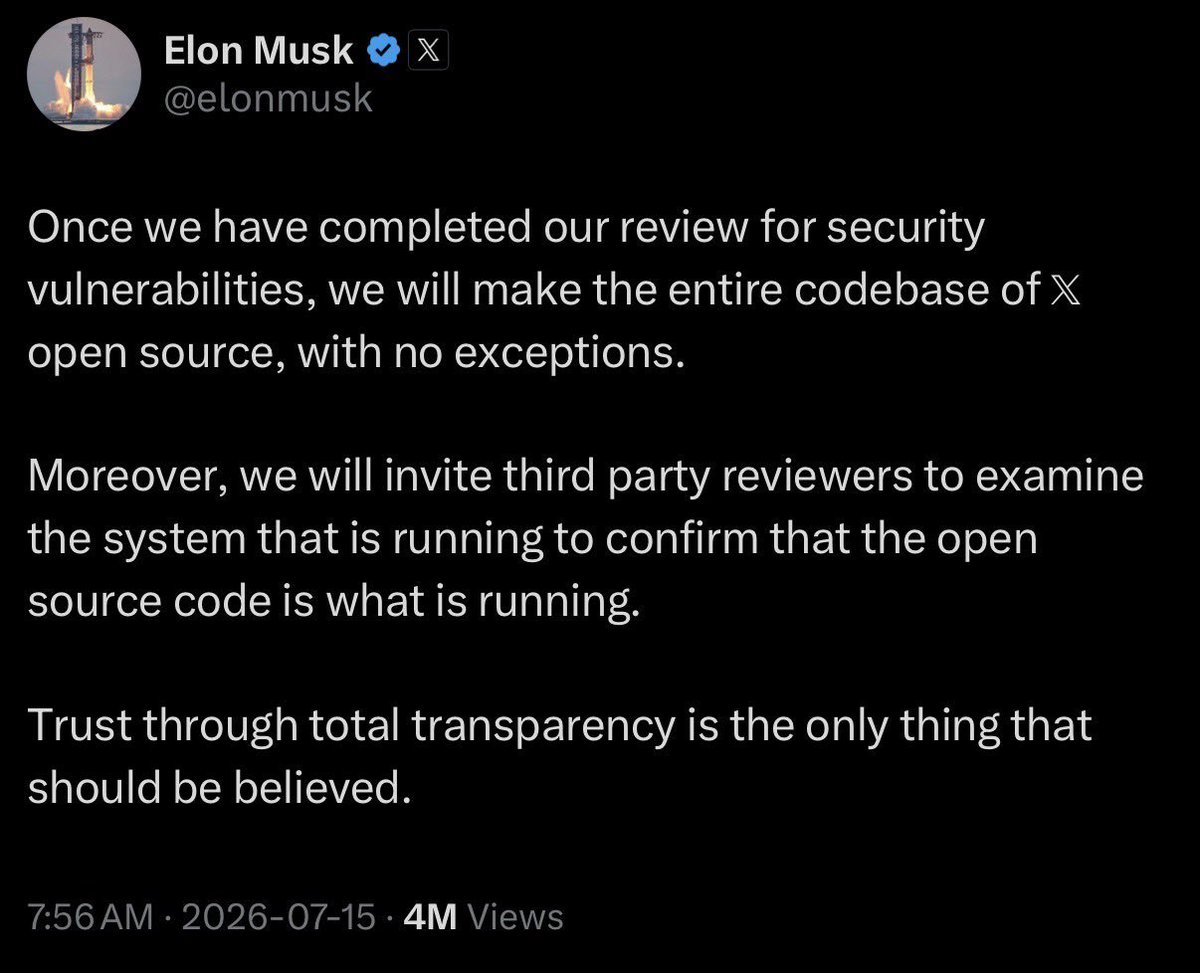 Open Source Social MediaOpen source social media often ships freedom branding with a control payload: nation-states and titans get a cleaner lever over discourse while waving an open-source flag.
Gifnotes poster
Sources
FAQ
How does anonymity specifically contribute to the Online Disinhibition Effect?
Anonymity creates a sense of detachment, reducing personal accountability and the fear of real-world consequences. When people feel their identity is hidden, they are more likely to express thoughts and emotions they would otherwise censor in face-to-face interactions.
What's the difference between online disinhibition and simply being rude online?
While online disinhibition can manifest as rudeness, it's a broader psychological phenomenon that also includes positive behaviors like increased self-disclosure or empathy. The key is the loosening of social constraints, which can lead to both prosocial and antisocial expressions that wouldn't typically occur offline.
Can social media platforms actually mitigate the Online Disinhibition Effect, or is it inherent to online interaction?
Platforms could mitigate it by redesigning algorithms to prioritize constructive engagement over raw emotional reaction, or by implementing stronger identity verification and moderation. However, this often conflicts with their business models, which thrive on the engagement that disinhibition often generates.