
PayPal Diaspora

The take
Buy the company, choke the culture, then fund your next rivals as they walk out. The PayPal Diaspora is acquisition exile: talent leaves with the real optionality.
The Tell
PayPal Diaspora: acquisitions that exile the builders who become competitors.

Stakes
When corporate giants acquire nimble startups, they often buy a problem: how to retain the very talent that made the company valuable. The risk is turning a strategic purchase into an involuntary venture studio for your future competition.
Source Dispatch
The read
Forget the 'PayPal Mafia' origin story; the PayPal Diaspora is a more accurate frame for how corporate acquisitions can inadvertently decentralize talent.
What looks like a talent pool is often a forced exodus, where founders and key players, stifled by new corporate cultures, are effectively exiled.
The mainstream take frames the 'Mafia' as proof of PayPal's unique talent, but it misses the inversion: many of these entrepreneurs weren't just leaving a job; they were escaping a corporate takeover that stifled their original vision.
Elon Musk's early PayPal experience, for example, shows how a clash of cultures can push visionary founders to build elsewhere. Peter Thiel often notes how large organizations can inadvertently crush the very innovation they acquire.
The real fight is when large corporations like eBay buy nimble startups, then impose a culture so incompatible that key talent bolts, often with venture capital in hand. Jason Calacanis famously called it being a 'prisoner in Paris' - you'sre in a great place, but you're not free to build.
This isn't just about retention; it's about how M&A can unintentionally seed the next wave of disruptive competitors, making the acquiring company an unwitting incubator for its rivals.
In the wild
- "It's a misnomer to call it the PayPal Mafia, it's really the PayPal Diaspora. Our homeland was taken over and they burned our temple and then kicked everybody out."
- Elon Musk's early PayPal experience highlighted clashes that pushed him toward new ventures.
- Peter Thiel's observations on corporate stifling often echo the post-acquisition environment.
- Jason Calacanis's 'prisoner in Paris' analogy perfectly captures the feeling of being trapped post-acquisition.
- Episode: AI's Regulatory Minefield & PayPal's Mega-Merger Play (https://www.youtube.com/watch?v=9IMwRIei-Xc)
- It's a misnomer to call it the PayPal Mafia, it's really the PayPal Diaspora. Our homeland was taken over and they burned our temple and then kicked everybody out.
Related
 Memetic DesireYou rarely invent what you want. Prestige models pick the object first, and your 'taste' shows up fashionably late. That quiet racket is memetic desire.
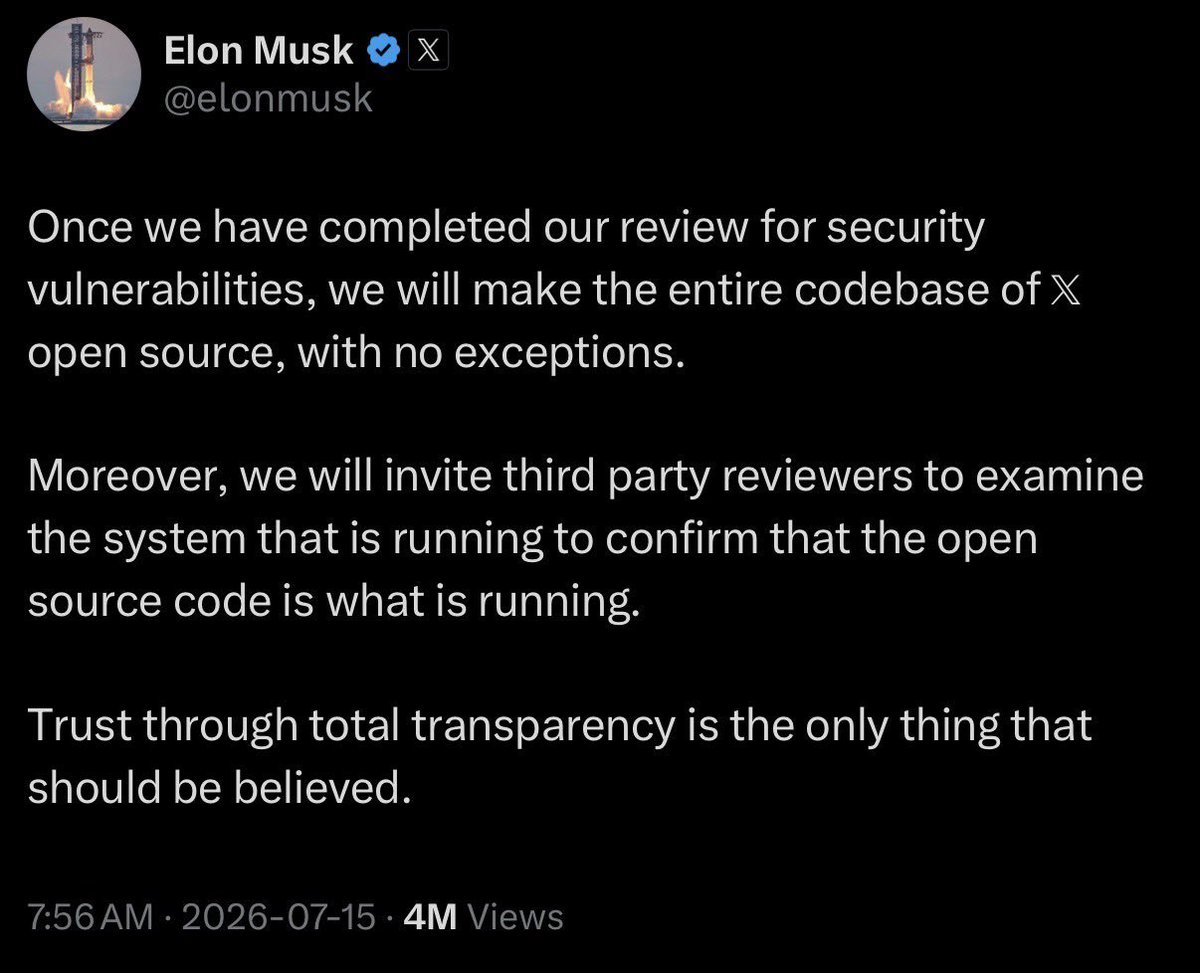 Open Source Social MediaOpen source social media often ships freedom branding with a control payload: nation-states and titans get a cleaner lever over discourse while waving an open-source flag.
 SaaspocalypseThe joke stopped being a joke. Vibe-coded custom tools are eating the monthly SaaS stack one workflow at a time. That slaughter is Saaspocalypse.
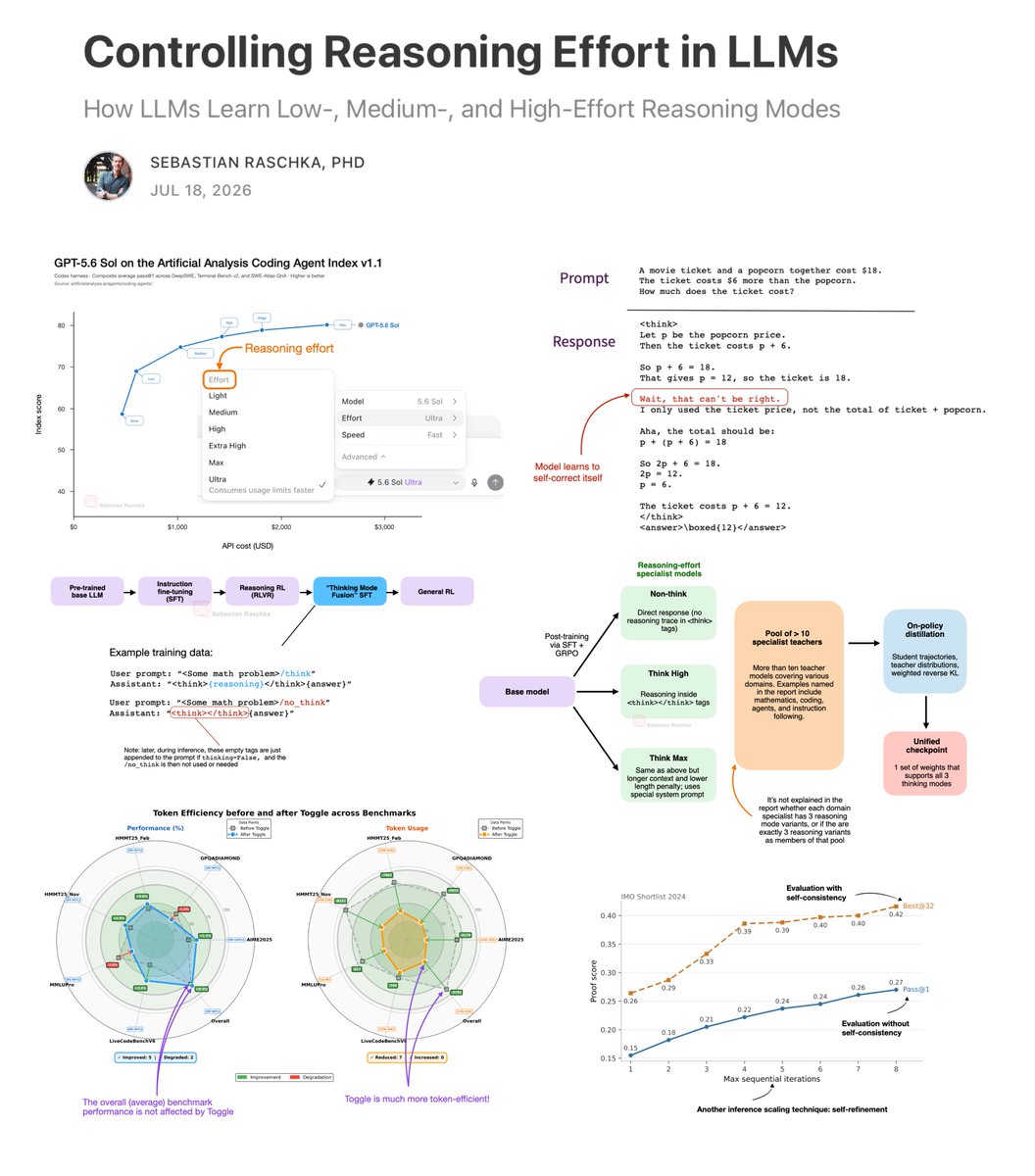 Anti-Disparagement ClauseWhen an AI company makes you sign away millions to keep quiet, that's not just an NDA; it's an Anti-Disparagement Clause, and it costs the public the right to know about existential risks.
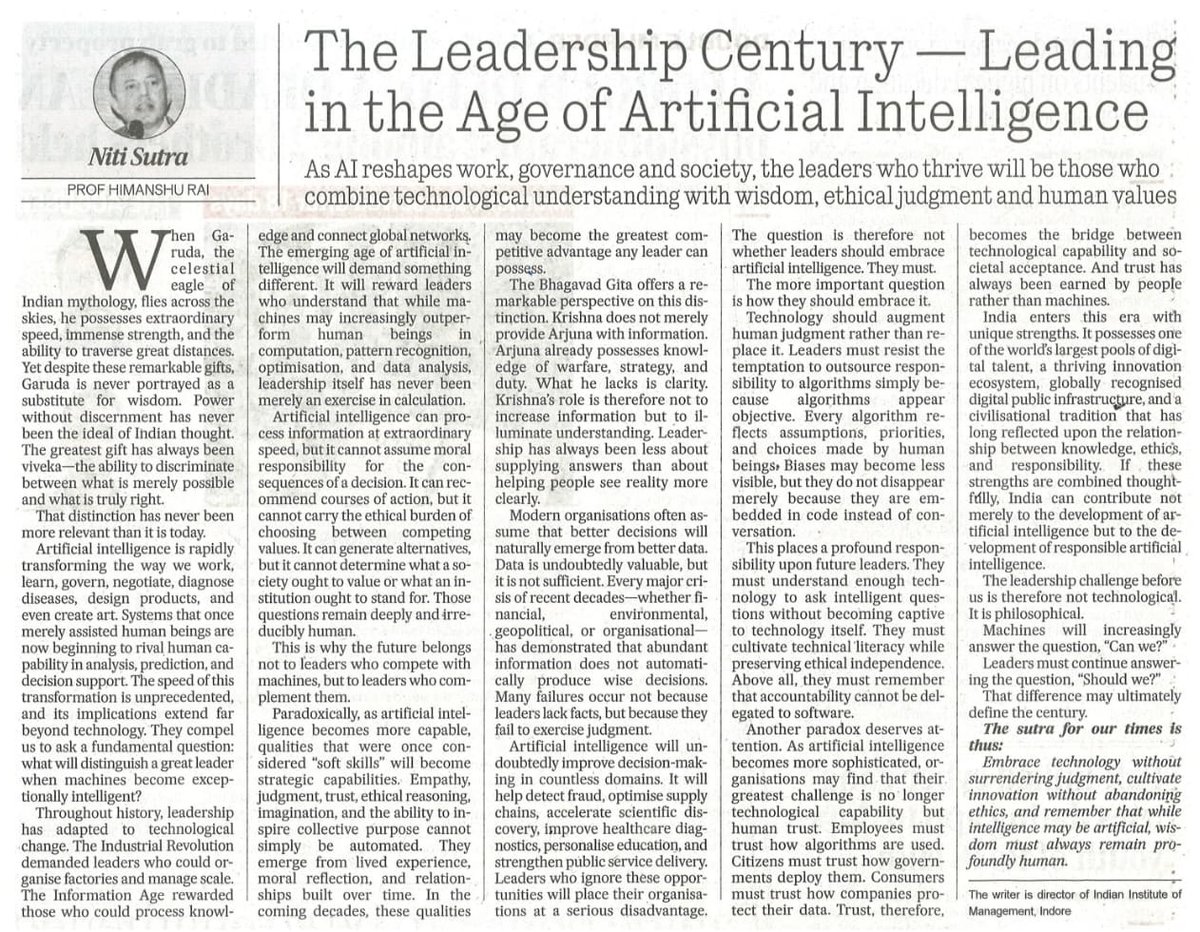 Technical Leadership DrainWhen MBAs and financial managers replace engineers at the top, companies often trade their innovation edge for short-term gains, a Technical Leadership Drain that costs them long-term market dominance.
 Going Direct (Communication)The corporate ideal frames 'Going Direct (Communication)' as transparency, but that's the trap: its real power is turning a CEO into a prophet and a company into a cause. Leaders who understand this know that selling belief and a compelling personal narrative is the ultimate competitive advantage, because without it, your vision dies.
Gifnotes poster
Sources
FAQ
How does the 'Diaspora' differ from the 'Mafia' concept?
The 'Mafia' implies a deliberate network of alumni. The 'Diaspora' highlights a forced scattering due to corporate incompatibility, leading to an involuntary re-formation of entrepreneurial hubs.
What's the main risk for companies making acquisitions?
The primary risk is acquiring a company for its innovation or talent, only to then alienate that talent with an incompatible corporate culture, effectively funding your future competition.
Can this 'Diaspora' effect be avoided?
Mitigating it requires a deep understanding of the acquired company's culture and talent motivations, along with a commitment to integrate without stifling the very qualities that made it attractive.