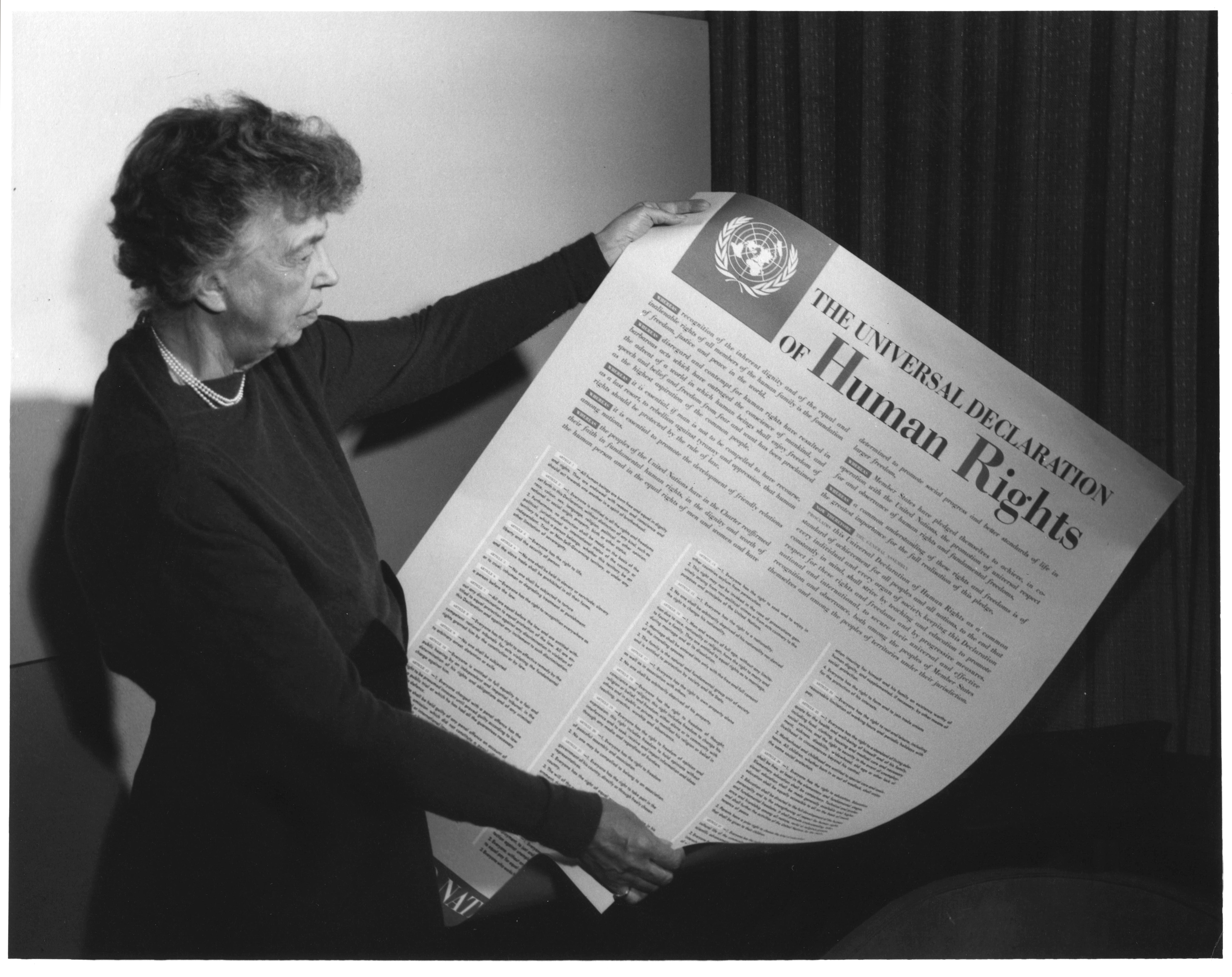
Platform Moderation Free Speech
Your pocket lexicon
The take
Platform Moderation Free Speech is the ongoing fight over who controls what's said and seen on private digital platforms. Care now because the battle lines determine if your voice, or anyone else's, gets amplified or silenced.
Why it matters
A fuzzy definition means you might confuse platform terms of service with constitutional rights, leading to frustration when your content is removed or suppressed. It also means you're less equipped to spot when "moderation" is actually ideological curation, impacting the information diet of millions.
The note
This term describes the constant tension between a private platform's right to set its own rules for content and a user's expectation of uninhibited expression. While the First Amendment limits government censorship, it doesn't apply to Twitter, Facebook, or YouTube, which are private companies free to host or remove content as they see fit.
To be fair, platforms often argue moderation is necessary to combat illegal content, hate speech, or misinformation, aiming to create a "safe" environment for users and advertisers. There's a steelman argument that without some rules, platforms would devolve into unusable cesspools, driving away the very users who demand free expression.
However, the practical application of these rules frequently reveals inconsistencies, biases, and a willingness to silence dissenting or inconvenient views under the guise of safety or community standards. What to remember is that your "free speech" on a platform is always conditional, subject to the platform's business model, political pressures, and the ever-shifting definitions of what's "acceptable."
In the wild
Receipts from the feed. Not the definition. Proof the fight is real.
- Ideology and free speech values predict content moderation preferences
- The Global Retreat from Content Moderation Is Endangering Free Expression
- Why deregulating online platforms is actually bad for free speech
- Rappaport Forum talks First Amendment limits of content moderation, 'lawful but awful' speech
Related
 Crypto ConvergenceCrypto Convergence is what happens when DeFi, AI, social media, and TradFi stop pretending they're in different group chats. It matters because this collision isn't just about new tech, it's about who owns the next layer of the internet, and your slice of it.
 NewsjackNewsjack is when someone, usually a brand or influencer, hijacks a trending news story or event to promote their own product, service, or personal brand. You care because it's the digital equivalent of an ambulance chaser, but for clicks.
 Terminally onlineTerminally Online describes someone whose primary reality and worldview are shaped by niche internet discourse, often to the exclusion of real-world context or interaction. Care now because it's the fastest way to lose touch with objective reality and become a useful idiot for someone else's digital agenda.
FAQ
What's the difference between free speech on a platform and the First Amendment?
The First Amendment protects you from government censorship. Free speech on a private platform means you're allowed to say what you want, provided it aligns with that platform's terms of service and community guidelines. They can remove your content or ban you without violating the First Amendment.
Why do platforms moderate content differently?
Platforms moderate content based on a mix of factors: their business model (e.g., advertiser demands), public pressure, legal obligations in various jurisdictions, and the ideological leanings of their leadership or user base. This leads to inconsistent and often subjective enforcement.
What's the biggest risk if platforms have too much moderation power?
The biggest risk is the centralization of public discourse control in the hands of a few private entities. This can lead to the suppression of unpopular or dissenting opinions, the creation of echo chambers, and a chilling effect on legitimate speech, ultimately impacting the free exchange of ideas vital for a healthy society.