
/poh-dee-uhm muhl-tee-kuhl-chuh-ruh-liz-uhm/
Podium Multiculturalism

The take
A country will drape itself in a Black striker the night he wins the final and question his passport by breakfast. Podium multiculturalism hands minorities the label 'us' only while they're holding the trophy, and 'them' the second the whistle blows.
The Tell
Podium multiculturalism: a nation claims its diverse stars while they're winning and disowns them the second they lose.

Stakes
Diversity gets celebrated as a national virtue exactly when it produces a win, and treated as a national question the moment it does not. The football team is the tell: the same public that roars for a squad of immigrants' sons on Sunday can call that squad 'not really us' on Monday. Belonging is rented, and the rent is winning. Conditional inclusion is a scoreboard.
Source Dispatch
The read
France is the cleanest example. Its national team is one of the most diverse on earth, at times fielding almost no white players in the starting eleven, and it's a genuine source of pride when the trophies come.
Yet a large chunk of the country looks at that same team and mutters that it isn't really France. Both feelings live in one nation at once: glory in the diversity when it delivers, discomfort with it when the cameras are off.
That gap is podium multiculturalism.
The honest counterpoint is that national teams have always been unifying symbols, and celebrating your winners isn't hypocrisy, it's just patriotism. Fair.
But patriotism that only extends citizenship-in-full during a victory lap isn't a shared identity, it's a performance bonus. The striker whose goals make him a national hero is the same man whose neighborhood gets described as a failure of integration, and he can feel the switch.
Acceptance that evaporates the moment you stop scoring was never acceptance.
The tell is what happens after a loss or a scandal. If the diverse hero stays 'one of us' when he misses the penalty, the belonging was real.
If he reverts to 'them' the instant he stops winning, the flag was only ever on loan, and everyone wearing that skin in that country already knows the terms.
In the wild
- France has fielded World Cup squads made up largely of the children of immigrants, celebrated nationally during wins.
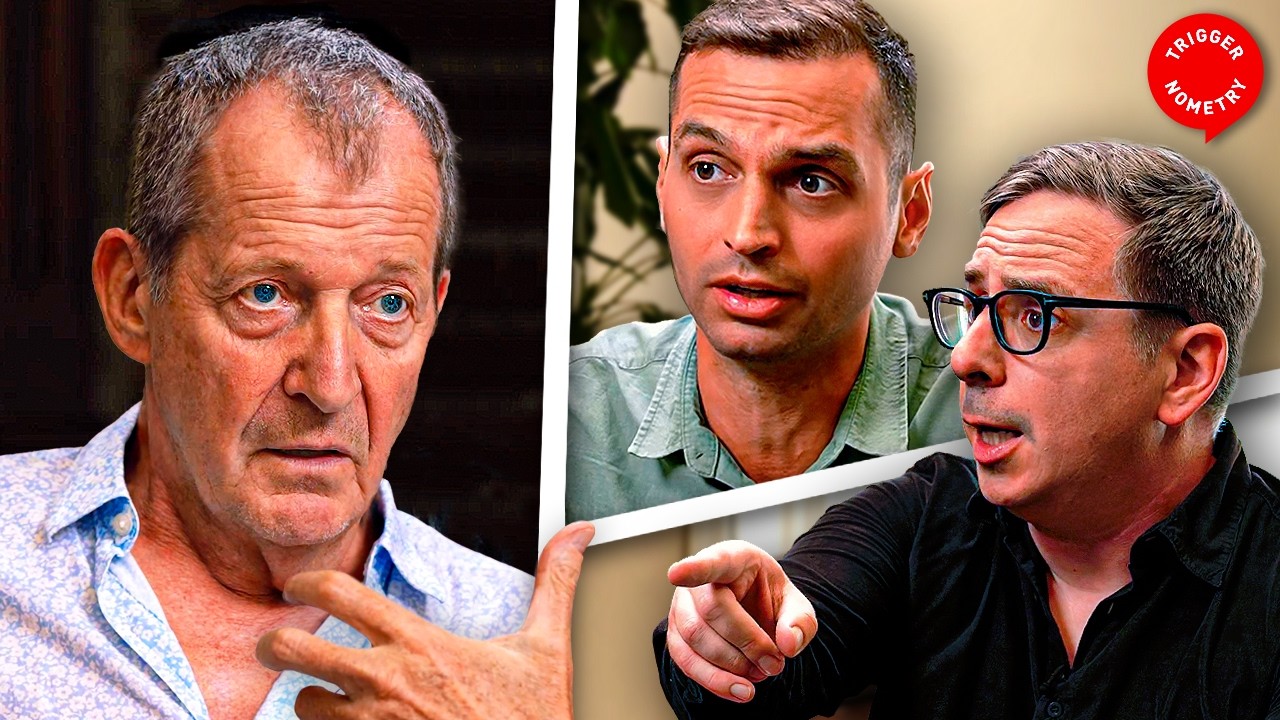
- Alastair Campbell noted France's team recently played with only one white player in the starting lineup.
- Campbell also observed that many in France view that same diverse team as 'not France.'
- Post-tournament abuse of missed-penalty takers has repeatedly turned racial the moment results go wrong.
Related
 Socialism for the BanksPopulism didn't crawl out of nowhere. It was minted in 2008, when the same system that bailed out the banks made everyone else pay for it with a decade of austerity. Socialism for the banks, austerity for the people is the receipt that turned 'trust the experts' into a punchline.
 Demonization DividendAttack an insurgent politician hard enough and you don't bury him, you bankroll him. The demonization dividend is the payout every media pile-on hands its target: living proof for his base that the establishment fears him, which is the only argument he ever needed.
 Problem is not the problemWhen the elite says 'the problem is not the problem,' they're less concerned with the issue itself and more with who dared to name it. It's the tell that narrative control matters more than actual solutions.
 Elastic SlurThe reason nobody can win the 'woke' argument is that both sides are fighting over a different word. An elastic slur stretches until it means simple decency to the people defending it and a rigid hierarchy of oppression to the people attacking it, so the real fight is over who owns the dictionary.
 Moral Upholder (Poet/Bard)The Moral Upholder was a historical job: public morality plus shared narrative in one role. Mass media fractured that seat, and cultural memory paid the bill.
 manufactured outrageActivists and media networks use manufactured outrage as a trap to convert local tragedies into national racial-murder products before forensics even land, ensuring narrative dominance before facts can ruin the script.
Gifnotes poster
Sources
FAQ
Is this only about France?
No, France is just the sharpest case because its team is so visibly diverse. The pattern shows up anywhere a country loves its immigrant athletes on the podium and doubts them everywhere else.
Isn't being proud of a diverse team a good thing?
Pride is fine. The problem is pride that only switches on during a win. If the same faces are 'not really us' after a loss, the celebration was conditional, and conditional belonging is the whole critique.
Doesn't sport naturally unite people regardless?
It can, briefly. But a unity that lasts exactly as long as the winning streak isn't integration, it's a truce. The real test is whether it survives losing.