
/slop-uh-gan-duh/
Slopaganda

The take
AI slop isn't failing because it's bad. It's winning because it's free. Slopaganda is propaganda that beats fact-checkers by sheer volume: a thousand bots, fake reviews, and synthetic 'grassroots' outrage burying anything true under an avalanche of cheap fake.
The Tell
Slopaganda: they don't delete the truth anymore, they bury it under ten thousand bots.

Stakes
The old censorship model deleted the one true post. The new one drowns it. When a foreign influence op or a domestic PR shop can generate infinite believable-enough content for pennies, the bottleneck stops being production and becomes your attention. You are not being hit with one big lie anymore, you are being exhausted by ten thousand small ones until you stop trusting anything, which was always the actual goal.
Source Dispatch
The read
Slopaganda is the natural endgame of generative AI meeting the attention economy. Propaganda used to be expensive: you needed writers, printers, and troll farms staffed by actual humans.
Now one operator with an API key can spin up a fake consensus overnight, complete with distinct 'personalities,' regional slang, and staggered posting times. The point was never to convince you of one specific thing.
It is to pollute the information space so thoroughly that 'do your own research' quietly becomes impossible.
The honest counterpoint: most AI content is harmless filler, and panicking about every synthetic post hands censors a permanent excuse to control speech 'for your safety.' True, and worth guarding against.
But it cuts both ways. State actors, and China's networks are the loudest example, have already been caught running AI-boosted operations to inflame US political fault lines and juice narratives inside platforms, and increasingly inside the models themselves.
When the tool that answers your questions is trained on a web the propagandists are actively seeding, the manipulation moves upstream of the feed.
The tell of slopaganda is not one viral lie you can debunk. It is the weird, frictionless unanimity: every reply saying the same thing in slightly different words, reviews that read like they share a ghostwriter, 'ordinary people' who only exist for one news cycle and then vanish.
Volume is the fingerprint. When agreement feels too clean and arrives too fast, assume you are looking at output, not the public.
In the wild
- OpenAI and Meta have reported dismantling covert influence operations that used AI-generated posts and personas.
- NewsGuard tracks hundreds of AI-generated 'news' sites publishing at scale with little or no human oversight.
- Researchers have documented AI-boosted bot networks amplifying divisive US political content across platforms.
- Chatbots have been caught repeating state-seeded talking points scraped from the open web.
Related
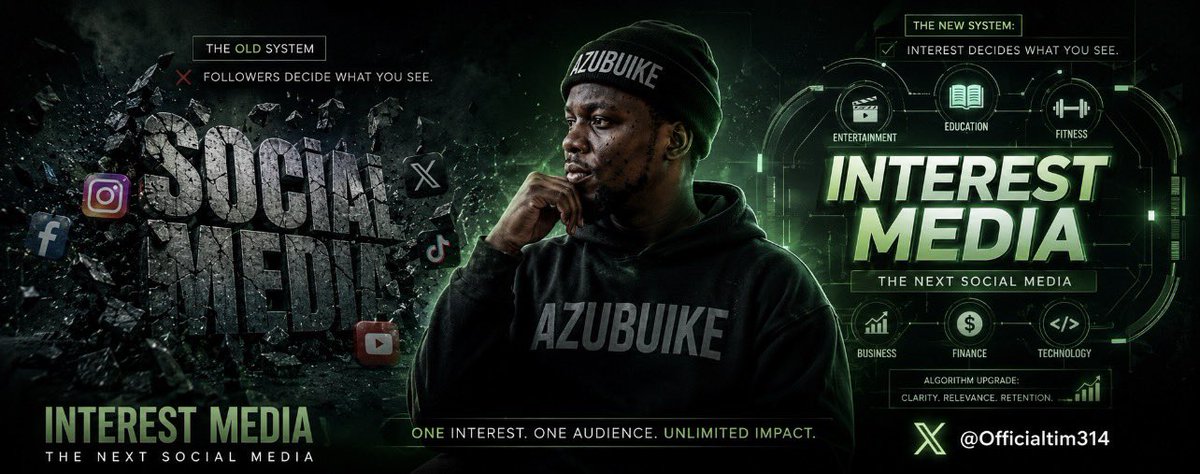 Interest MediaInterest media is the attention economy's rebrand. Organic reach now costs creators endless content or cash, and 'free' visibility is a high-effort trap.
 SaaspocalypseThe joke stopped being a joke. Vibe-coded custom tools are eating the monthly SaaS stack one workflow at a time. That slaughter is Saaspocalypse.
 AI SlopPlatforms pay for volume, so the machine floods your feed with filler until the real stuff drowns. That sludge is AI slop.
 Fan Fiction FallacyAI trained on engagement sludge does not invent. It remixes the internet's lowest common denominator and calls the paste creativity.
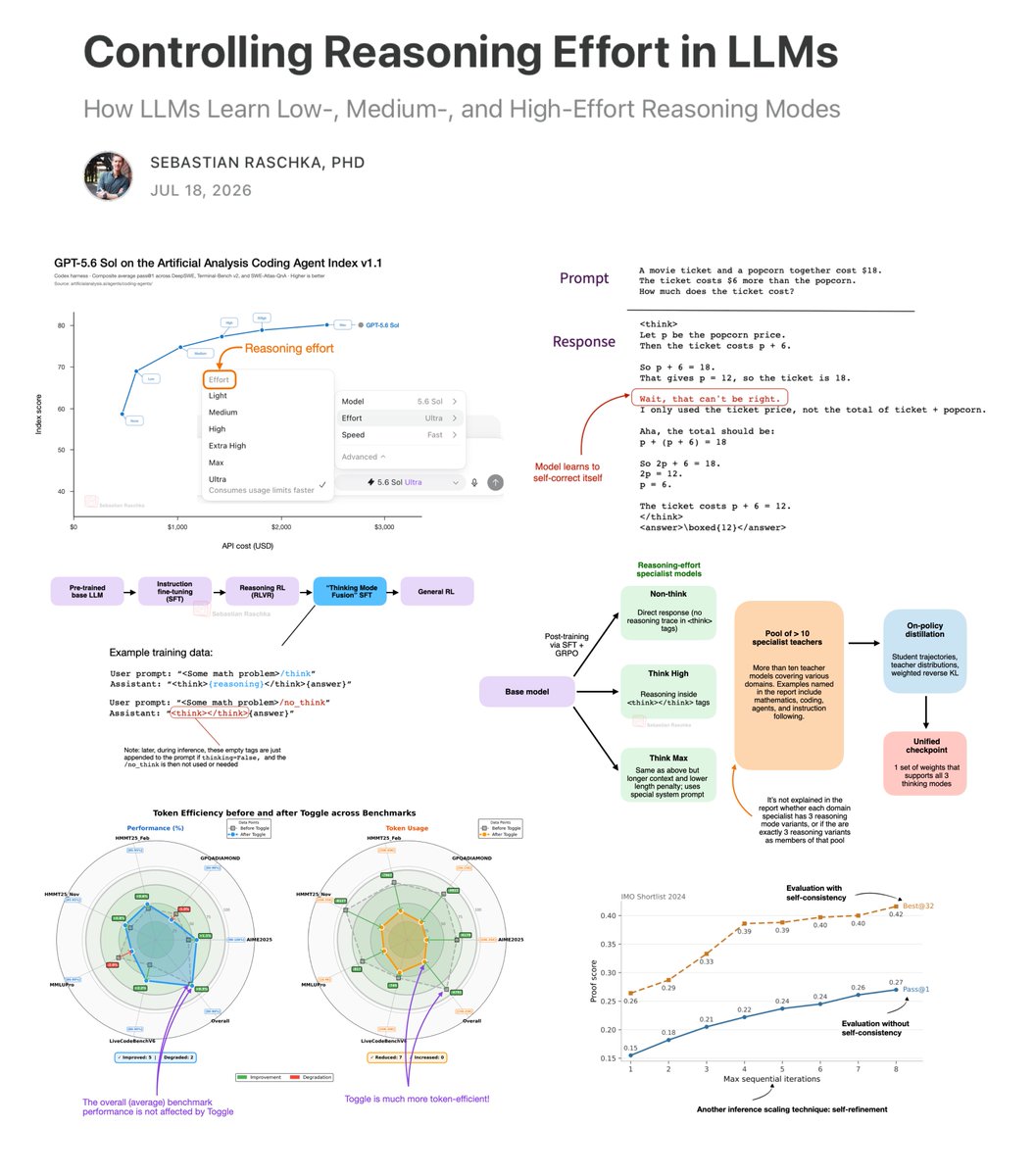 Distillation DriftWhen AI models eat their own cooking, Distillation Drift kicks in: the slow, silent decay of quality as AI trains on AI output, replacing human insight with increasingly bland or hallucinated data.
 Fraud as Low-Hanging FruitPoint at the easy scams, clap for competence theater, ignore the systemic waste eating trillions. Fraud as Low-Hanging Fruit is the government's favorite distraction magic.
Gifnotes poster
Sources
FAQ
Is slopaganda just spam?
No. Spam wants your click; slopaganda wants your trust in the whole information space. It succeeds even if you ignore any single post, because the goal is exhaustion and doubt, not a sale.
How is this different from old troll farms?
Cost and scale. A troll farm needed rooms of paid humans. One person with an API can now run thousands of distinct-sounding accounts around the clock, in any language, for the price of a coffee.
How do you spot it?
Look for frictionless unanimity: identical arguments in slightly different words, reviews with the same rhythm, and 'regular people' who only appear for one news cycle and then disappear.