
Technical Leadership Drain

The take
When MBAs and financial managers replace engineers at the top, companies often trade their innovation edge for short-term gains, a Technical Leadership Drain that costs them long-term market dominance.
The Tell
When the suits replace the engineers, the balance sheet looks good until the product goes sideways. That's the Technical Leadership Drain.

Stakes
It matters because the Technical Leadership Drain turns once-innovative companies into slow-moving dinosaurs, unable to compete with technically agile rivals. Just look at Intel's struggles against Nvidia, or Apple's strategic foresight in developing its own silicon when Intel's technical leadership faltered.
Source Dispatch
The read
The Technical Leadership Drain describes how companies lose their technical edge when the C-suite fills up with financial managers and MBAs instead of engineers and product visionaries.
This shift often prioritizes quarterly earnings and shareholder returns over the messy, long-term investment required for ground-breaking R&D and capital expenditure. The result is a slow, quiet decay in core product innovation that's hard to reverse.
Mainstream business narratives often frame this as "professionalizing management" or "optimizing for shareholder value," suggesting that financial wizardry is a superior path to growth than deep technical expertise.
But this "optimization" frequently means gutting R&D budgets and skipping crucial infrastructure investments to pump up short-term metrics.
Intel, for example, diverted $100 billion to shareholder returns while its manufacturing leadership slipped, a direct consequence of this financial-first mindset.
The real fight is between immediate balance sheet boosts and the patient, long-term technical vision needed for market dominance. Companies like Apple, under Steve Jobs' foresight, understood this, strategically moving to control their silicon future.
Meanwhile, those caught in the Technical Leadership Drain find themselves playing catch-up, their once-unassailable positions eroded by competitors who kept engineers in charge of the roadmap.
In the wild
- Intel's strategic decline was rooted in a shift from deeply technical leadership to business-focused management and a failure to invest in crucial capital expenditures, diverting $100 billion to shareholder returns.
- Pat Gelsinger: I view one of the things that went off the rail was when it started to be run by business people as opposed to technical people.
- Episode: Intel's Strategic Decline & Apple's Foresight; Lovable on AI Co-founders & Co-opetition (https://www.youtube.com/watch?v=-ILKiOU5iAQ)
- I view one of the things that went off the rail was when it started to be run by business people as opposed to technical people.
Related
 Table Stakes (Tech)'Table stakes' used to mean the boring features every product shipped. In AI, it means the trust floor that demos keep torching while VCs clap for the next brittle miracle.
 AI Co-founderCall it an AI co-founder and you still hired a glorified intern with equity theater. Founders offload grunt work, keep the strategic seat warm, and the startup never gets a real second brain.
 Co-opetition in AI DevelopmentCo-opetition in AI is risk-hedging with a smile. Labs socialize frontier R&D costs, then privatize the breakthroughs that print money. Shared burden is not shared profit.
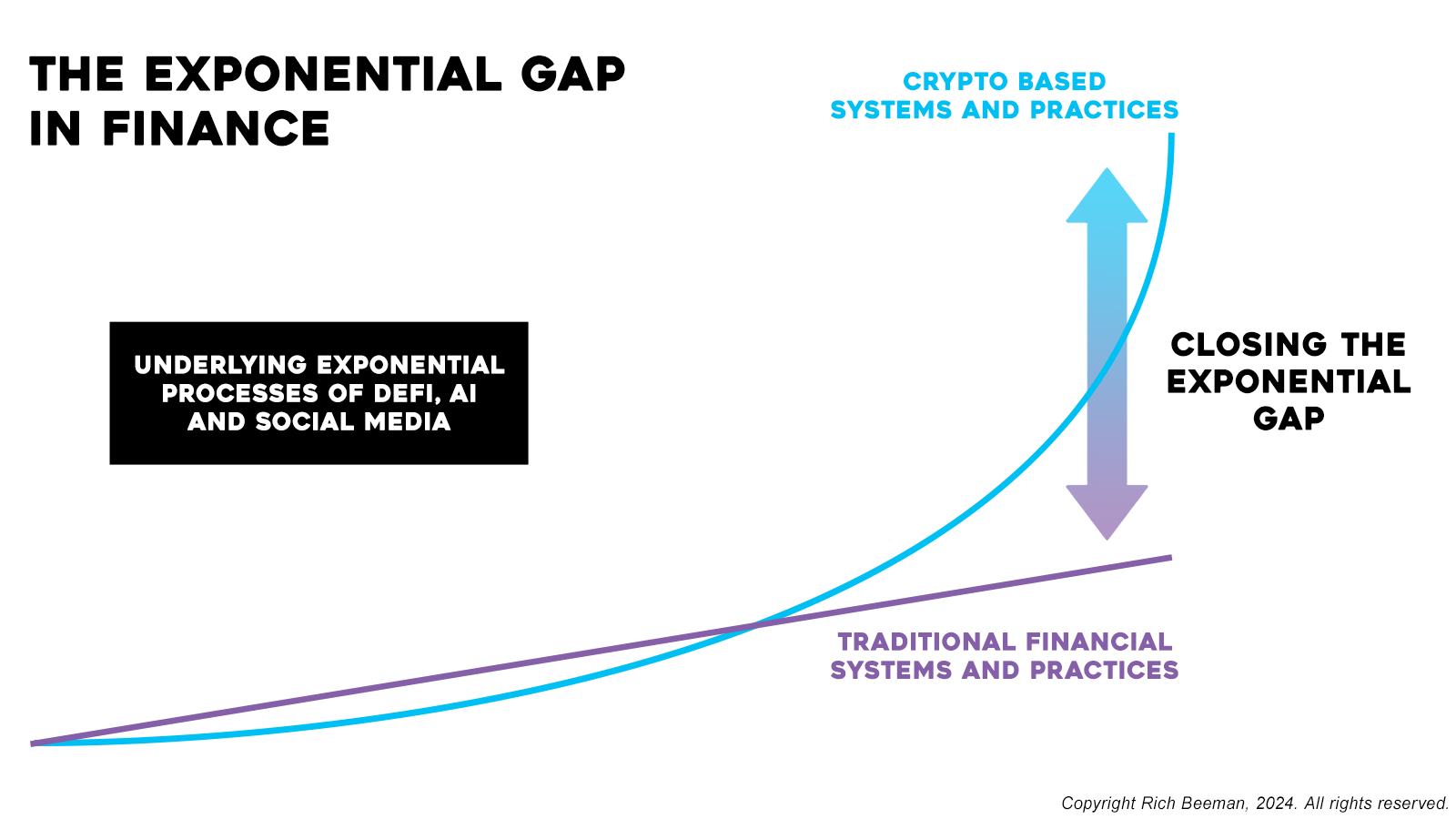 Exponential Gap in FinanceRegulators say 'risk' and mean 'protect the incumbents.' The Exponential Gap in Finance is the widening chasm where legacy finance uses caution theater to slow anything that compounds faster than a quarterly report.
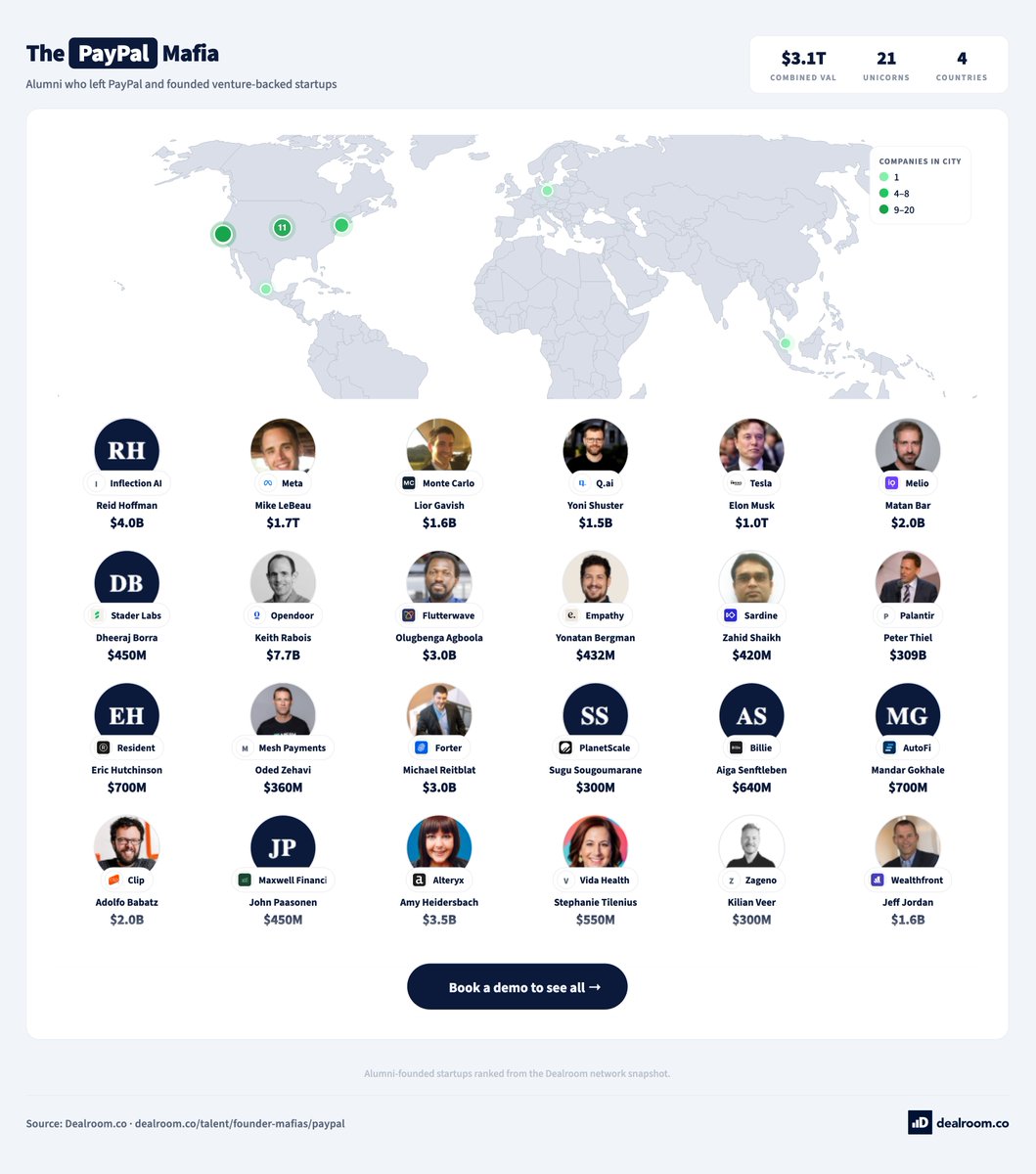 PayPal DiasporaBuy the company, choke the culture, then fund your next rivals as they walk out. The PayPal Diaspora is acquisition exile: talent leaves with the real optionality.
 Going Direct (Communication)The corporate ideal frames 'Going Direct (Communication)' as transparency, but that's the trap: its real power is turning a CEO into a prophet and a company into a cause. Leaders who understand this know that selling belief and a compelling personal narrative is the ultimate competitive advantage, because without it, your vision dies.
Gifnotes poster
Sources
FAQ
Why do companies fall into the Technical Leadership Drain?
It often stems from a short-sighted focus on immediate financial metrics and shareholder returns, where the perceived "efficiency" of financial management trumps the long-term, often riskier, investment in technical innovation.
How can you spot a company suffering from this drain?
Look for a pattern of declining R&D investment, a lack of truly disruptive new products, and a C-suite dominated by non-technical executives who prioritize cost-cutting over visionary product development.
What's the ultimate cost of a Technical Leadership Drain?
The ultimate cost is losing market relevance and dominance. While the balance sheet might look good for a few quarters, the company eventually becomes a technological laggard, unable to compete with more agile, innovation-driven rivals.