
Accenture and Whalar's Creator Economy Playbook

Our read
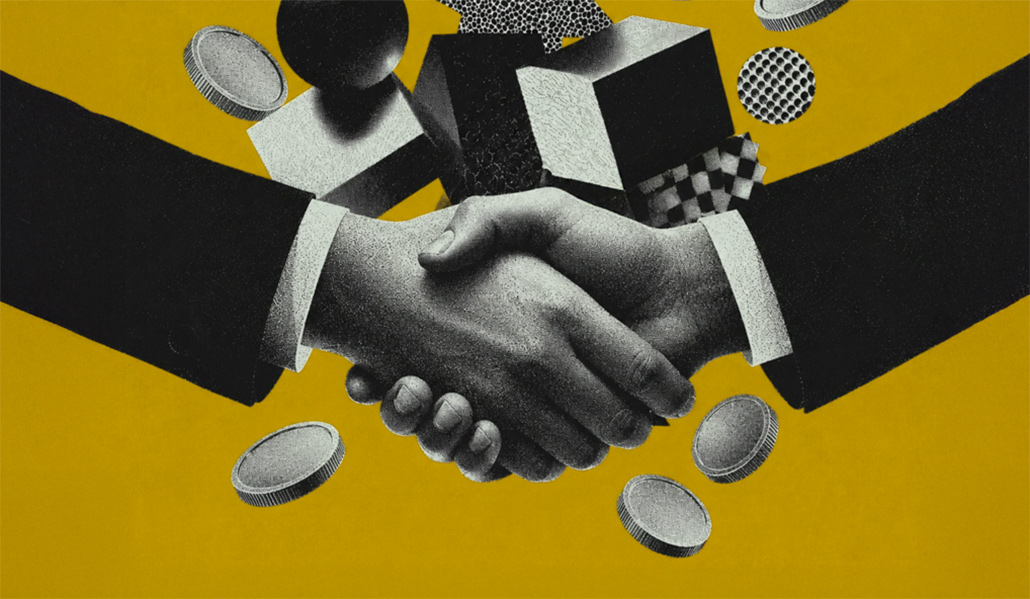
The corporate colonization of the creator economy has reached its logical, painful conclusion. When Accenture starts pitching TikTokers to CEOs as 'enterprise infrastructure,' it is the ultimate signal that the raw, high-agency era of independent internet culture is being packaged into sterile, corporate-safe slides. You cannot institutionalize lightning in a bottle without killing the spark.

What happened
Accenture and creator agency Whalar are pitching the 'creator economy' to Fortune 500 CEOs, rebranding influencers as enterprise-grade business infrastructure.
The brief
When consultancies pitch TikTokers as enterprise infrastructure, the spark is already on a slide deck. Sterile is the product.
The sides
- Corporate Suit Rebranders
Internet culture can be sanitized into predictable, HR-approved line items that justify massive retainers.
- Organic Internet Natives
The moment a creator speaks fluent 'corporate synergy,' the authentic connection that made them valuable is dead.
Why now
Digiday covered Accenture and Whalar moving creator spend from tactical marketing budgets into board-level CEO conversations. That is the corporate land grab of internet attention, sold as infrastructure.
Questions
What is the Accenture and Whalar playbook actually selling to CEOs?
They are selling the corporate colonization of independent internet culture by rebranding social media influencers as enterprise-grade business infrastructure. Instead of treating creators as tactical marketing line items, this playbook pitches them to Fortune 500 executives as permanent distribution channels. The goal is to institutionalize raw, high-agency attention and package it into sterile, corporate-safe slides that risk-averse boardrooms can digest.
Why are consulting firms suddenly targeting the creator economy?
Consulting giants like Accenture are chasing the massive pool of ad spend migrating away from legacy media. Traditional television and print advertising are dead, and corporations are desperate to reach younger audiences who ignore standard ads. By inserting themselves as the strategic middleman, consultants can charge premium enterprise fees to manage relationships that creators and brands used to handle directly.
Who actually wins when creators are treated as enterprise infrastructure?
The primary winners are the legacy consulting firms and agency middlemen who extract massive management fees for translating internet culture into corporate jargon. While a select group of hyper-sanitized, brand-safe creators will land lucrative long-term contracts, the broader creator ecosystem loses its raw authenticity. This corporate capture forces independent voices to conform to rigid corporate compliance standards, killing the very spontaneity that made them popular.
What is the strongest counter-argument for bringing creators into the boardroom?
Proponents argue that treating creators as infrastructure provides them with stable, long-term capital and legitimate business security. Instead of relying on volatile, one-off brand deals, creators can build sustainable enterprises with predictable revenue. However, this stability comes at the direct cost of creative freedom, as corporate legal departments inevitably censor any content that strays from safe, homogenized talking points.
How does this corporate takeover compare to previous media shifts?
This shift mirrors the early consolidation of the independent blogosphere and the corporate acquisition of early YouTube networks. In both historical cases, raw and disruptive media ecosystems were systematically bought up, standardized, and stripped of their edge to appease institutional advertisers. The Accenture and Whalar playbook is simply the industrialized version of this cycle, turning organic internet communities into predictable corporate distribution pipelines.
What happens next to independent creators who refuse to corporate-align?
A sharp divide will emerge between sanitized, corporate-approved influencers and highly independent, subscriber-funded creators. As the middle tier of creators gets squeezed by corporate-safe algorithms and agency monopolies, the most authentic voices will bypass corporate sponsors entirely. They will rely on direct-to-consumer monetization, private communities, and alternative platforms where they do not have to run their scripts past a corporate compliance officer.
Receipts
Related dispatches
- Syracuse University's Creator Economy BureaucracyThe moment a university appoints an executive director to study 'creators' is the moment the administrative state officially tries to gentrify the internet's last wild frontier.
- Entertain Buzzword Is Creator-Economy TV TheaterThe creator economy's biggest mistake is trying to rebuild the exact same corporate television model that creators spent the last decade destroying. Forcing raw internet talent into polished 'entertainment' boxes only serves agency middlemen who miss legacy TV budgets.
- The $480 Billion Creator Economy ProjectionWall Street is finally putting a massive price tag on the death of traditional media, but they are misjudging the asset. You cannot easily financialize or institutionalize raw, unscripted human agency without killing the very authenticity that makes it valuable.
- Who Killed Halo? How Corporate Capture Murdered a Sci-Fi LegendHalo was once a multi-billion-dollar monument to high-agency sci-fi heroism, but corporate suits systematically lobotomized it into a sterile, risk-averse HR compliance exercise.
- The Algorithmic Audience Capture of Independent CreatorsAudience capture is not some tragic moral collapse. It is the basic physics of a creator economy where only one side of the political aisle is still willing to pay for unvetted, raw culture.
- LinkedIn's New 'Report AI' Button Is a Trap for Corporate Try-HardsLinkedIn is trying to play both sides of the AI boom by offering automated 'collaborative articles' to farm cheap SEO traffic while simultaneously deputizing users to snitch on the exact same low-effort slop. You cannot build an entire product suite around automated corporate-speak and then act shocked when the feed reads like a malfunctioning chatbot.