
Entertain Buzzword Is Creator-Economy TV Theater

Our read
The creator economy's biggest mistake is trying to rebuild the exact same corporate television model that creators spent the last decade destroying. Forcing raw internet talent into polished 'entertainment' boxes only serves agency middlemen who miss legacy TV budgets.

What happened
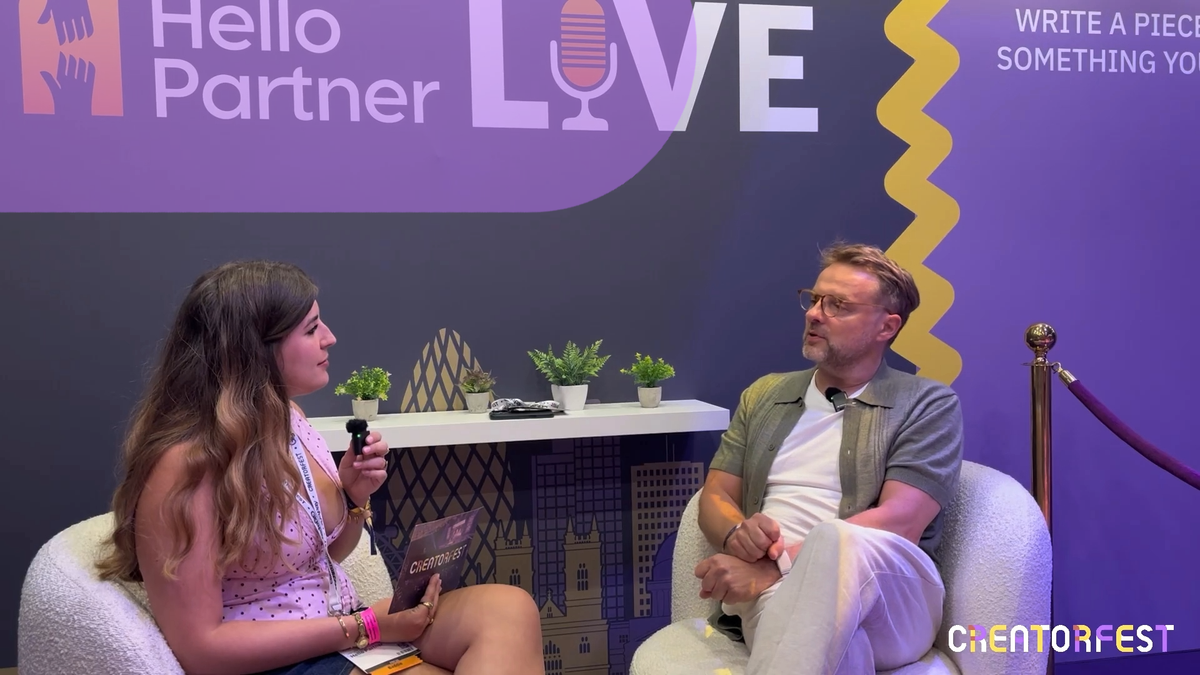
Gleam Futures founder Dom Smales named 'entertain' the defining creator-economy buzzword for 2026, pitching a shift from raw authenticity toward highly produced, traditional-style entertainment.
The brief
Forcing raw internet talent into polished TV boxes only serves middlemen who miss legacy budgets. Audiences already fled that product.
The sides
- Pivot-to-Hollywood Suits
Creators should act like traditional TV stars so agencies can lock legacy brand deals.
- Raw Authenticity Purists
Over-produced, sanitized 'entertainment' is exactly why audiences fled TV in the first place.
Why now
Smales's Hello Partner interview put the professionalization fight back on the industry timeline: rebuild TV inside the creator stack, or keep the raw feed that killed TV.
Questions
What does the shift to 'entertain' actually mean for creators?
It means trading raw authenticity for expensive, over-produced studio setups that mimic legacy television. Agency middlemen are pushing creators to adopt traditional TV formats so they can pitch familiar, high-budget ad packages to risk-averse corporate brands. This shift forces internet-native talent into rigid, sanitized boxes, stripping away the direct connection that made them successful in the first place.
Who actually benefits from the professionalization of the creator economy?
Legacy talent agencies, production companies, and traditional brand advertisers are the primary beneficiaries. These legacy players do not know how to monetize raw, spontaneous internet culture, so they pressure creators to build traditional TV-style sets. This allows agencies to insert themselves as essential gatekeepers, taking massive cuts of production budgets and ad sales just like they did in old Hollywood.
Why is trying to rebuild traditional TV a strategic mistake for internet creators?
It destroys the unique leverage of distribution cost and authentic trust that allowed creators to defeat legacy media. Traditional television failed because it was over-produced, slow, and disconnected from the audience. By replicating the high overhead and sanitized content of network TV, creators inherit the exact same financial vulnerabilities and creative stagnation that ruined the old media giants.
What is the counter-argument for why creators should adopt high-production formats?
Proponents argue that polished production values are necessary to attract premium brand sponsorships and secure long-term financial stability. As the digital ad market matures, top-tier brands demand brand-safe, highly structured environments to run their campaigns. High-production formats like game shows or structured talk shows allow creators to scale their businesses beyond simple camera-in-bedroom setups.
How does this 'entertain' trend impact smaller, independent creators?
It threatens to price out independent talent by raising the perceived barrier to entry for audience attention. When agencies and platforms algorithmically favor high-budget, studio-grade productions, smaller creators without venture backing or agency representation get sidelined. This artificial inflation of production standards centralizes power back into the hands of wealthy media networks and well-funded creator collectives.
What happens next if the creator economy fully embraces this corporate TV model?
Audiences will migrate to newer, unpolished platforms to find the raw authenticity they crave. History shows that whenever a medium becomes too corporate and over-produced, a counter-culture emerges to reject it. If YouTube and TikTok become indistinguishable from cable television, viewers will seek out decentralized, direct-to-consumer feeds where creators are still allowed to speak without a script.
Receipts
Related dispatches
- Accenture and Whalar's Creator Economy PlaybookThe corporate colonization of the creator economy has reached its logical, painful conclusion. When Accenture starts pitching TikTokers to CEOs as 'enterprise infrastructure,' it is the ultimate signal that the raw, high-agency era of independent internet culture is being packaged into sterile, corporate-safe slides. You cannot institutionalize lightning in a bottle without killing the spark.
- The $480 Billion Creator Economy ProjectionWall Street is finally putting a massive price tag on the death of traditional media, but they are misjudging the asset. You cannot easily financialize or institutionalize raw, unscripted human agency without killing the very authenticity that makes it valuable.
- MrBeast's Hyper-Reality Empire: Colosseum Games, Zombie Apocalypses & Content-First EconomicsMrBeast is not a YouTuber who got lucky. He is running a content-first capital stack that treats production like a weapons program, while legacy media still budgets like a quarterly coupon flyer.
- Syracuse University's Creator Economy BureaucracyThe moment a university appoints an executive director to study 'creators' is the moment the administrative state officially tries to gentrify the internet's last wild frontier.
- Elon Musk's AI OdysseyThe media's panic over Musk's 'AI remake' threat misses the real shift: the legacy entertainment pipeline has become so formulaic and hollow that a theoretical prompt-engineered epic actually sounds more compelling to audiences than another expensive, focus-grouped Hollywood disaster.
- YouTube's 2026 Algorithm: Net Information Gain, GIST Filter, & Semantic IDsYouTube brand-safety theater is trust-and-safety clergy with an advertiser clipboard. Miss opaque Net Information Gain or the semantic ID liturgy and the speech police invisible ceiling hits. Adapt to the AI overlords, or get disappeared.