
The 2026 Simulation: TradFi Encroachment, Saylor's Three-Body Problem, and the Grift Tax

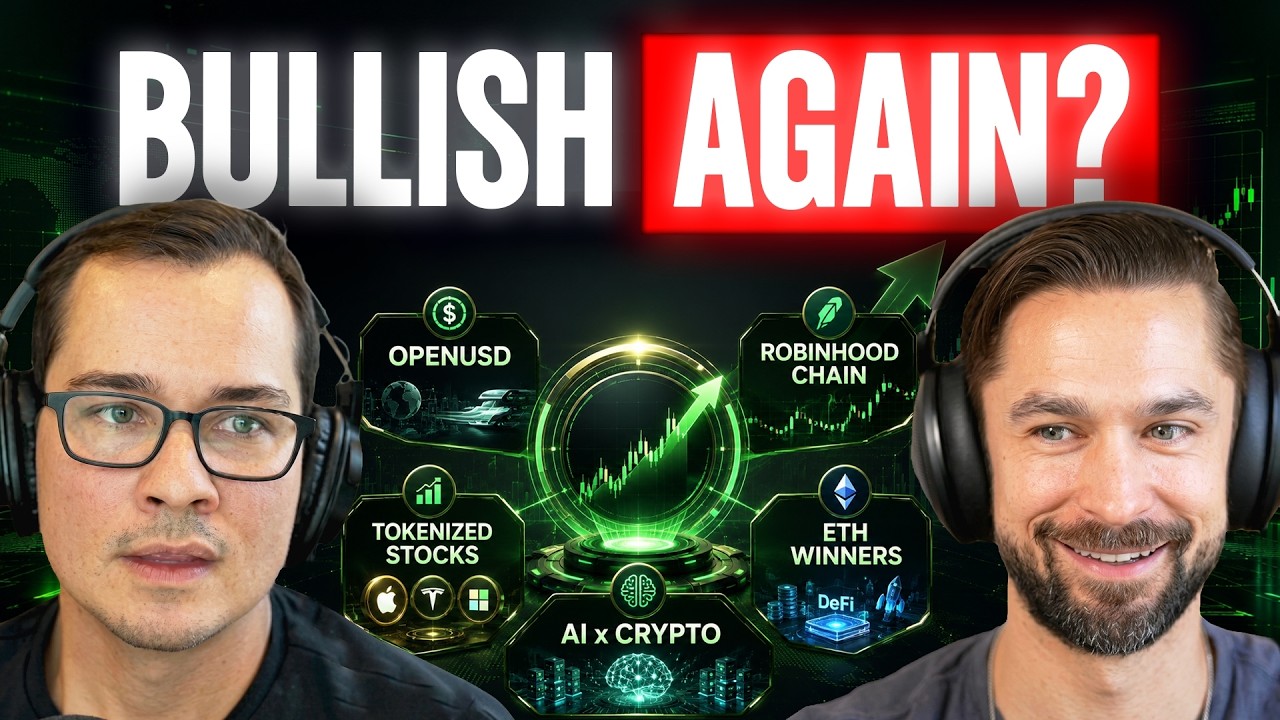
Our read
A speculative look into the 2026 crypto landscape reveals a market where corporate consortia squeeze out decentralized stablecoins, Michael Saylor navigates a delicate synthetic debt loop, and political alignment is bought via a multi-billion dollar grift tax.


What happened
In this simulated future broadcast, the Bankless hosts analyze the structural evolution of crypto as it transitions from a wild-west speculative playground to an institutionalized corporate ecosystem. From Robinhood cloning Coinbase's vertical integration playbook to the emergence of state-approved stablecoin consortia like OpenUSD, the episode maps out the inevitable collisions between decentralized ideals and traditional legal, corporate, and political architectures.
Key findings
TradFi payment giants and tech conglomerates will bypass existing crypto stablecoin rails by creating state-approved consortia like OpenUSD to freeze out early-movers Tether and Circle.
Michael Saylor's MicroStrategy premium relies on a financial three-body problem: satisfying cheap debt holders, avoiding diluting equity below net asset value, and honoring a social contract to never sell Bitcoin.
Engaging with political leaders for crypto-friendly policies under a transactional administration operates as a highly liquid grift tax paid directly to family brands rather than ideological alignment.
Quotes
“Shareholders get Delaware law, token holders get a pinky promise.”
David Hoffman · 30:49
“If you have 5,000 board members, you have zero board members.”
David Hoffman · 42:50
“They need to do CYA. They need to do cover your ass, and so they have to meet with someone, and have a handshake, and have a call.”
Ryan Sean Adams · 47:33
“Turned out the grift tax is $1.5 billion.”
Ryan Sean Adams · 54:40
The brief
The episode presents a highly detailed, simulated look at the crypto landscape of July 2026. The hosts use this framing to explore very real structural tensions developing in the industry today.
The primary theme is the aggressive institutionalization of crypto rails. This is seen in the launch of OpenUSD, a corporate-backed stablecoin consortium designed to commoditize fiat on-and-off ramps and challenge the high-margin dominance of Tether and Circle.
Robinhood's parallel move to launch an Arbitrum-based L2 chain and a native Paxos stablecoin confirms that vertical integration is the consensus endgame for retail fintech.
However, this corporate transition introduces severe legal and ethical contradictions, most notably the dual-class token-equity structure of modern Web3 startups where equity holders enjoy Delaware legal protections while token holders are left with nothing but a pinky promise alignment.
Receipts
Lexicon from this episode
Visual-only receipts
- A social post by Michael Saylor detailing the Digital Credit Capital Framework designed to support long-term Bitcoin exposure.
- A social post by Robinhood App announcing Stock Tokens are live in their wallet, tracking 90+ US companies and ETFs.
- The Open Standard stablecoin launch webpage displaying a multi-column wall of text listing hundreds of legacy enterprise sign-ups.
- A tweet from Aggr News showing a document labeled US Government Releases Trump's Financial Disclosure Showing Crypto Assets.