Grift Tax

The take
Decentralized networks are falling into a multi-billion dollar protection trap, forced to pay a massive grift tax to legacy political insiders not to pass innovative laws, but simply to buy temporary immunity from regulatory execution.
The Tell
The Grift Tax: decentralization in the whitepaper, a multi-billion dollar tribute to Washington PACs in the back.

Stakes
The cost of regulatory capture is no longer measured in polite campaign donations, but in direct, transactional tribute paid to Washington gatekeepers just to keep decentralized protocols from being sued out of existence.
Source Dispatch
The read
The mainstream narrative insists that massive crypto political spending is a sophisticated, bipartisan effort to educate lawmakers and build a modern regulatory framework. Industry advocates point to massive war chests as proof that decentralized tech has finally earned its seat at the table.
It sounds like progress, but it is actually a classic administrative shake-down. In reality, the grift tax is the price of survival in a system where code is treated as a crime.
When founders write massive checks to political action committees like Fairshake PAC, they are not buying forward-thinking policy.
They are paying a defensive toll to legacy consultants and connected insiders to keep hostile regulators like Gary Gensler from launching unilateral enforcement actions. This transactional tribute turns decentralized protocols into ATM machines for the political class.
While media outlets like Bankless track the horse race of crypto-friendly candidates, the deeper reality is that the grift tax never actually buys permanent peace. It merely funds the very political machinery that will demand an even larger tribute during the next election cycle.
This transactional tribute turns decentralized protocols into ATM machines for the political class.
In the wild
- Fairshake PAC raises over $160 million from major crypto firms to influence key congressional races.
- Gary Gensler's SEC continues its regulation-by-enforcement campaign, driving protocols to seek political cover.
- Bankless and other industry commentators highlight the massive $1.5 billion scale of political alignment fees.
- Episode: The 2026 Simulation: TradFi Encroachment, Saylor's Three-Body Problem, and the Grift Tax (https://www.youtube.com/watch?v=fbvkrVt1msc)
- Turned out the grift tax is $1.5 billion.
Related
 AI SlopPlatforms pay for volume, so the machine floods your feed with filler until the real stuff drowns. That sludge is AI slop.
 SaaspocalypseThe joke stopped being a joke. Vibe-coded custom tools are eating the monthly SaaS stack one workflow at a time. That slaughter is Saaspocalypse.
 Vibe CodingVibe coding was sold as everyone becoming a software mogul. What it actually does is liquidate entry-level coding jobs and leave the high-agency architect as the only adult in the room who can debug the beautiful mess a model spat out in three seconds.
 Terminally onlineTerminally Online is when the feed's stakes feel more real than your actual life. Likes, outrage loops, and timeline drama become the OS; IRL is the side quest.
 NewsjackNewsjacking is when a brand or influencer hijacks a trending news story or event to promote their own sh*t. Basically the digital equivalent of an ambulance chaser, but for clicks.
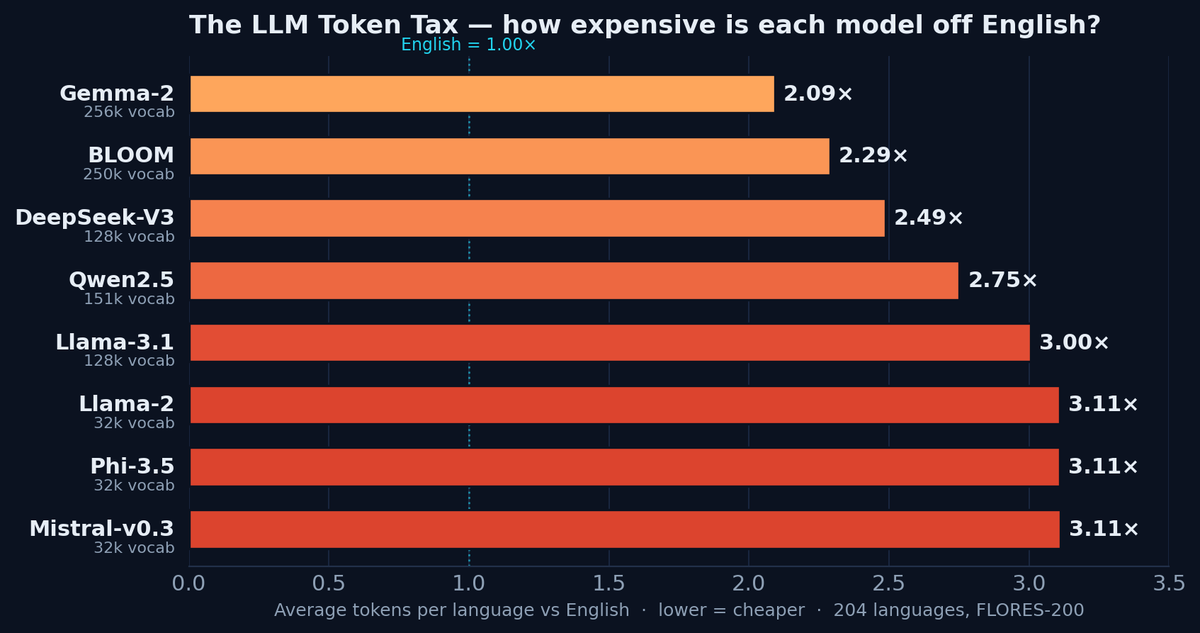 Token TaxAmerican enterprises face a crippling cost penalty called the token tax when protectionist regulations outlaw cheap, open-weight AI and force them to buy high-rent intelligence from closed platform monopolies.
Gifnotes poster
Sources
FAQ
How does this differ from traditional corporate lobbying?
Traditional lobbying focuses on shaping specific legislation, tax codes, or industry standards. This defensive tribute is paid purely to secure administrative immunity and prevent regulatory agencies from shutting down active protocols.
Why are decentralized protocols particularly vulnerable to this tax?
Because decentralized networks lack a centralized corporate shield, making them easy targets for regulators who can threaten founders, developers, and liquidity pools with existential legal action unless they pay for political protection.
What is the long-term consequence of paying these fees?
It creates a self-perpetuating racket where political insiders are incentivized to keep regulatory threats high, ensuring that crypto firms must continuously fund campaigns and hire connected consultants to survive.