
The DHS weaponization machine is a bipartisan boomerang

Our read
The progressive activist class spent years demanding a massive, unaccountable federal apparatus to monitor domestic threats and police speech, only to act shocked when that same national security machine turned its cameras back on them.


What happened
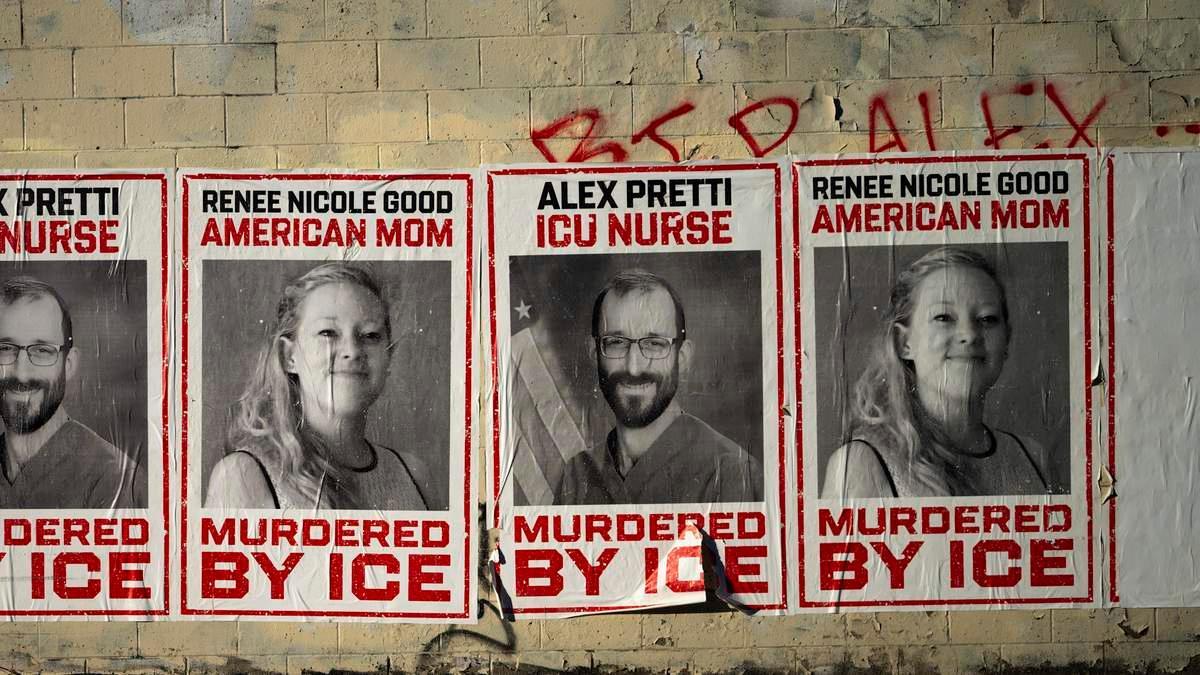
A newly disclosed Department of Homeland Security investigation reveals that federal agents monitored left-leaning activist groups and immigration lawyers during a 2021 deportation crackdown in Minnesota.
The brief
The administrative state doesn't have a favorite team; it has a self-preservation instinct, and anyone standing in the way of federal enforcement will eventually get caught in the dragnet.
The sides
- Progressive Activists
Federal surveillance of peaceful protesters is a rogue, authoritarian overreach that threatens basic civil liberties.
- National Security State
Monitoring civil unrest and tracking organized interference with federal law enforcement is a standard public safety mandate.
Why now
The disclosure of DHS surveillance on domestic immigration lawyers and activists has reignited the debate over the unchecked expansion of federal intelligence agencies. It exposes the persistent delusion that weaponized government tools will only ever be used against one's political opponents.
Questions
What did the DHS actually do to left-leaning activists in Minnesota?
The Department of Homeland Security used its intelligence arm to monitor immigration lawyers, journalists, and left-wing activists protesting a deportation crackdown in 2021. Federal agents tracked social media accounts, compiled dossiers, and shared intelligence with local law enforcement. This surveillance occurred under the guise of monitoring domestic violent extremism, demonstrating how easily broad national security mandates are turned against peaceful political organizers.
Why did progressive activists support building this surveillance apparatus in the first place?
Progressive activists and politicians spent years demanding that the federal government expand its domestic terror tracking tools to target right-wing groups and online speech. They championed the creation of specialized DHS units and pushed for aggressive monitoring of domestic political opponents. They mistakenly believed that the administrative state would remain a permanent ally, ignoring the historical reality that federal agencies prioritize their own expansion over partisan loyalty.
Who benefits most when DHS expands its domestic intelligence capabilities?
The federal bureaucracy itself gains the most power, alongside private defense contractors who build the surveillance software. Agencies like DHS secure larger budgets, more personnel, and less oversight every time a new domestic threat category is invented. This self-preserving expansion operates independently of whichever political party occupies the White House, creating a permanent class of unaccountable intelligence operatives.
What is the strongest counterargument in defense of the DHS monitoring these groups?
Defenders of the agency argue that federal intelligence must monitor high-tension protests to prevent infrastructure damage and coordinate law enforcement responses. During the 2021 Minnesota protests, officials claimed they needed situational awareness to protect federal facilities and personnel from potential escalation. However, this defense fails to explain why routine legal advocacy and journalism were swept into the counterterrorism dragnet.
How does this DHS surveillance compare to historical federal overreach like COINTELPRO?
This modern surveillance is the digital-age successor to the FBI's mid-century COINTELPRO, but with vastly superior technology and less public friction. While the mid-century program relied on physical wiretaps and informants, DHS now uses automated social media scraping, location data, and network analysis. The playbook remains identical: label domestic political dissenters as national security threats to justify spying on them.
What happens next now that this surveillance has been exposed?
Civil liberties groups will file lawsuits and congressional committees will hold performative hearings, but the underlying surveillance architecture will remain intact. The DHS will promise internal reforms and update its guidelines while retaining the broad statutory authority to monitor domestic speech. True reform is unlikely because both political parties secretly covet these same weaponized tools for when they hold power.
Receipts
Related dispatches
- TikTok Shadowbans the Fact-CheckersThe professional fact-checking class spent years demanding platforms build automated censorship engines to crush 'misinformation.' Now they are crying foul because those same brainless, context-blind algorithms are eating them too. When you build a machine that deletes speech on keywords, it does not care who is holding the clipboard.
- Maine Senate Race Collides with ICE ShootingWhen a federal enforcement action turns fatal in a swing state, the political class immediately abandons any pretense of waiting for facts to secure their preferred narrative.
- The Class Defection: Inside the Democratic Party's Working-Class PurgeFormer progressive campaign operatives and journalists reveal how the modern Democratic Party traded its blue-collar union base for an insular, high-society identity machine run by wealthy coastal elites.
- The Blizzard Hit Job: How a Gaming Giant Was Sacrificed to Peak Woke HysteriaThe 2021 Activision Blizzard scandal was not a crusade for workplace safety, but a highly coordinated administrative coup. Internal HR factions and California regulators weaponized unproven allegations to force ideological compliance on a vulnerable studio, proving that when a creative powerhouse stops making good products, the clipboard class will move in to strip-mine its culture.
- Borders, Bureaucrats, and BackchannelsThe modern state routinely abdicates its primary duties of physical and legal defense, leaving border security to the mercy of viral social media rumors while federal prosecutors run high-profile legal theater to cover up their own investigative incompetence.
- The Federal Court Slapback on State-Sponsored CensorshipThe ruling exposes the administrative state's favorite loophole: outsourcing censorship to private tech companies to bypass the First Amendment.