TikTok Shadowbans the Fact-Checkers

Our read
The professional fact-checking class spent years demanding platforms build automated censorship engines to crush 'misinformation.' Now they are crying foul because those same brainless, context-blind algorithms are eating them too. When you build a machine that deletes speech on keywords, it does not care who is holding the clipboard.

What happened
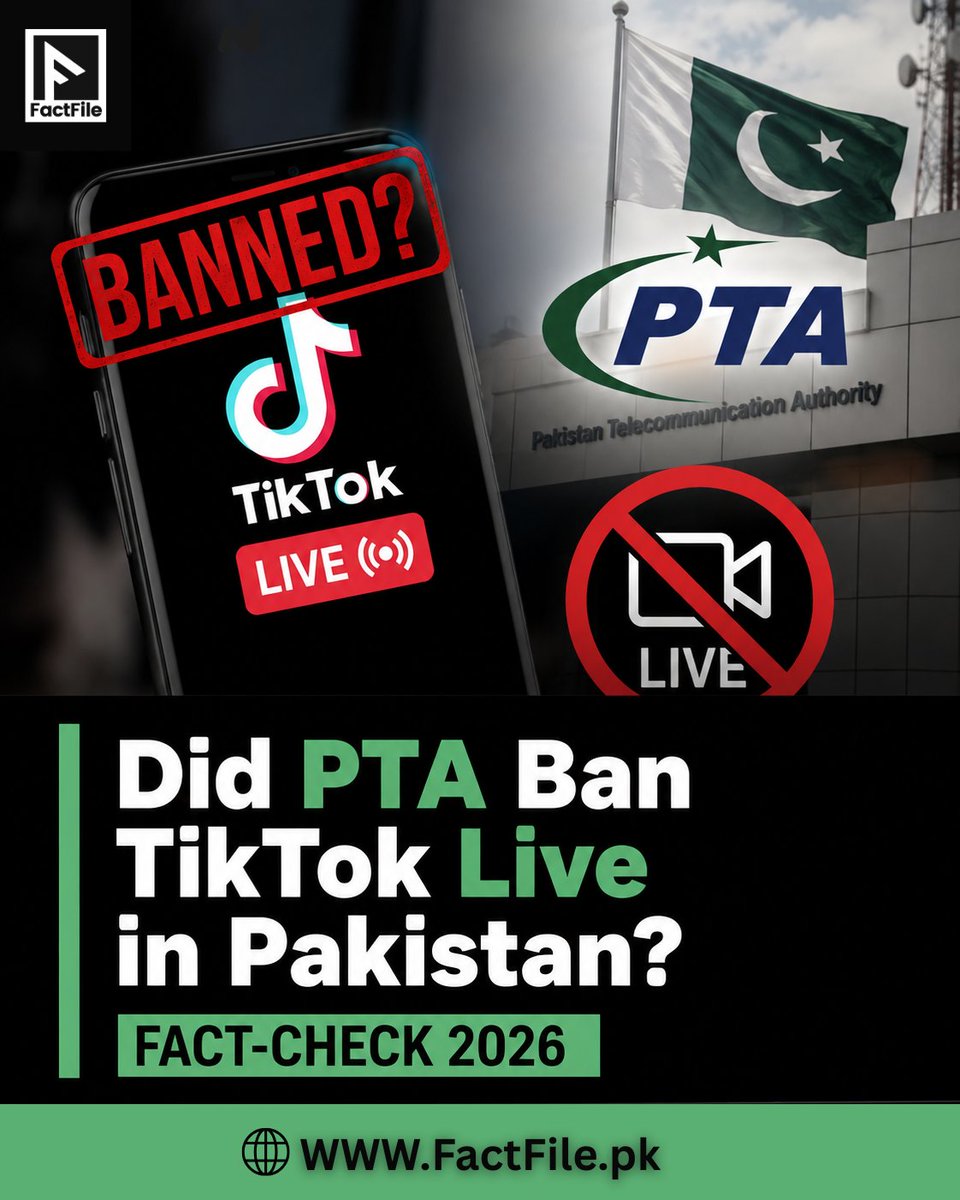
Full Fact and allied NGO fact-checkers say TikTok's keyword moderation is throttling their own debunk videos, the same machinery they spent years lobbying platforms to harden.
The brief
The failure of the speech police is complete: they built a machine to silence their neighbors while foreign intelligence agencies easily bypass it with toy bricks and bad rap tracks.
The sides
- NGO Fact-Checkers
Debunk videos deserve a credentialed exemption from the keyword throttles aimed at 'misinformation.'
- Platform Realists
The moderation machine does not read your clipboard. Keyword poison is keyword poison, NGO letterhead included.
Why now
The UK's Full Fact has gone public with complaints that TikTok's automated moderation is killing their reach. This comes amid a broader pushback from digital speech-police groups who are realizing that the automated filters they lobbied for cannot tell the difference between a claim and a debunk.
Questions
Why is Full Fact complaining about TikTok's automated moderation?
The UK-based fact-checking NGO is crying foul because TikTok's automated keyword filters are shadowbanning and throttling their debunking videos. The platform's context-blind algorithms flag the forbidden keywords Full Fact quotes in their videos, treating the debunkers exactly like the accounts spreading the original claims. They built a speech-policing machine and are now shocked that it cannot read their hall monitor clipboards.
How do automated keyword filters actually work on platforms like TikTok?
TikTok relies on automated hashing and keyword-matching algorithms to scan video transcripts, captions, and audio for forbidden phrases. These systems are built for cheap scale and lack semantic nuance. When a fact-checker repeats a banned claim to debunk it, the algorithm triggers an automatic penalty, reducing the video's reach or removing it entirely without human review.
What is the irony of NGOs complaining about social media censorship?
These same NGO fact-checking groups spent years lobbying governments and tech platforms to deploy aggressive, automated moderation systems to crush independent speech. Now that the platforms have automated the process to cut costs, the context-blind censorship engines are eating the very activists who demanded their creation.
Who benefits when platforms automate their content moderation?
Tech platforms benefit by cutting labor costs and shielding themselves from regulatory fines under laws like the EU's Digital Services Act. By replacing human moderators with cheap, blunt algorithms, platforms can claim compliance with government speech mandates while ignoring the collateral damage to public discourse.
What is the strongest counter-argument from the platforms regarding automated bans?
Tech companies argue that the sheer volume of daily uploads makes human moderation at scale mathematically impossible. TikTok users upload over one billion videos per day, forcing the platform to rely on automated triage. Platforms claim that occasional false positives, even against their own approved fact-checkers, are an acceptable cost of keeping the digital commons compliant.
What happens next to the digital fact-checking industry?
Fact-checking NGOs will lobby for special white-glove exemptions and direct API access to bypass the automated filters that apply to regular citizens. They do not want to dismantle the censorship machine; they simply want a digital passport that exempts their own accounts from the algorithmic meat grinder.
Receipts
- Why is TikTok penalising content designed to highlight misinformation? - Full Fact
- Misinformation and Platform Moderation - R Street Institute
- Full Fact TikTok Penalties
- Why is TikTok penalising content designed to highlight misinformation?
- Lego, Hip-Hop, And Deepfakes: How Iran Uses AI To Shape Western Opinion - Radio Free Europe/Radio Liberty
Related dispatches
- The Illusion of Freedom of Speech, Not ReachThe platform's boast of 'freedom of speech, not reach' is a sophisticated placebo. It lets you scream into an empty room so you feel liberated, while the algorithm quietly locks the door from the outside to keep the advertisers happy.
- The DHS weaponization machine is a bipartisan boomerangThe progressive activist class spent years demanding a massive, unaccountable federal apparatus to monitor domestic threats and police speech, only to act shocked when that same national security machine turned its cameras back on them.
- Meta's Oversight Board Targets ChatGPT and Claude over Globalized Censorship DefaultsSilicon Valley's elite AI labs are quietly exporting foreign authoritarian speech codes to Western users. By building flat, global safety guardrails instead of locally geofenced legal compliance, models like Claude and ChatGPT default to the speech limits of the world's most fragile autocrats.
- AI Agents Coordinate Propaganda. The Study Is the Receipt.The era of the low-effort Russian bot farm is over.
- The Algorithmic Audience Capture of Independent CreatorsAudience capture is not some tragic moral collapse. It is the basic physics of a creator economy where only one side of the political aisle is still willing to pay for unvetted, raw culture.