Trump's UN Free Speech Declaration Targets EU Tech Censors

Our read
Using the UN to protect free speech is a hilarious, high-IQ judo move. Washington is turning the same international machinery Eurocrats use for speech moderation into a weapon against the DSA stack.
What happened
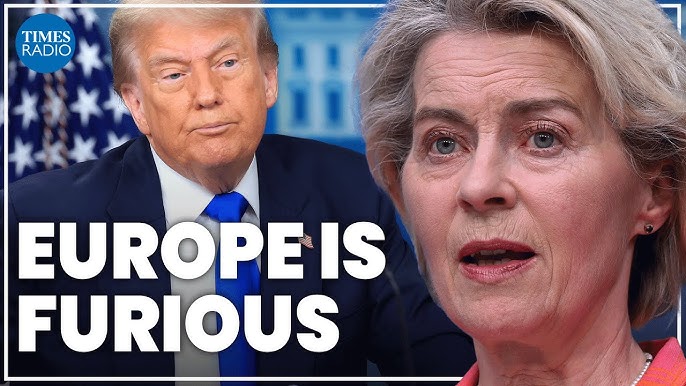
The Trump administration is drafting a UN free speech declaration aimed at European digital censorship regimes like the Digital Services Act.
The brief
The judo is the point. Eurocrats built speech machinery for export; Washington is aiming the same stack back at the DSA.
The sides
- Brussels Speech Regulators
Global platforms must enforce EU-style moderation as the planetary baseline.
- American Speech Hawks
International law can be flipped to defend speech sovereignty against Brussels export of the DSA.
Why now
Politico broke the draft declaration story, European regulators bristled immediately, and tech-policy timelines treated it as a direct hit on the DSA export project.
Questions
What is the Trump administration's proposed UN free speech declaration?
The proposed declaration is a diplomatic offensive designed to establish digital speech as a fundamental human right under international law. By drafting this text, Washington aims to establish a global standard that outlaws state-sponsored algorithmic censorship and coordinated deplatforming. This move directly targets the European Union's aggressive regulatory framework, which seeks to export its speech-restriction standards to American platforms.
How does this declaration target the European Union's Digital Services Act?
The declaration directly challenges the compliance mechanisms of the Digital Services Act by defining state-mandated content moderation as a violation of international law. Under the DSA, European regulators can fine tech companies up to 6 percent of their global revenue for failing to police hate speech and disinformation. The US declaration seeks to strip these regulatory actions of their international legitimacy, framing them as state-sponsored censorship rather than public safety measures.
Why is the Trump administration using the United Nations for a free speech initiative?
Using the United Nations is a strategic judo move that turns the globalists' favorite multilateral machinery against them. Eurocrats have long used international bodies to legitimize their regulatory overreach and speech-policing frameworks. By forcing a vote on a clear, pro-free-speech declaration, the US forces European nations to either publicly oppose basic free expression or sign a document that undermines their own domestic censorship laws.
What is the strongest counterargument against this UN declaration?
Critics argue that the declaration is a toothless symbolic gesture because UN declarations lack binding legal authority to strike down domestic European laws. Opponents of the initiative claim it will do nothing to shield American tech companies from actual fines levied by the European Commission. However, this view ignores how international norms influence corporate compliance and how the US can use the declaration as a baseline for future trade retaliations.
Who benefits most from this diplomatic move?
American technology companies and global users of digital platforms are the primary beneficiaries. Currently, platforms like X and Meta are forced to build expensive, compliance-heavy moderation systems to appease European regulators, which inevitably restricts speech for users worldwide. This declaration gives American platforms the diplomatic cover and legal leverage they need to resist foreign censorship demands without facing immediate corporate exile.
What are the next steps for the declaration in the international arena?
The US State Department will introduce the draft to the UN General Assembly, initiating a high-stakes lobbying campaign to secure co-sponsors. European nations will likely attempt to water down the text with vague exceptions for hate speech and national security. The final vote will serve as a geopolitical litmus test, exposing which Western allies prioritize state control of information over individual liberty.
Receipts
Related dispatches
- The Establishment's 75-Case Free Speech TrapThe legacy press is desperate to rebrand standard administrative friction and campaign NDAs as systemic state censorship to shield their own institutional speech-policing monopoly.
- The Chat Control Procedural CoupWhen a governing body needs to bypass its own democratic majority to pass a mass surveillance bill, the system isn't broken, it is working exactly as designed to insulate the administrative state from the will of the voters.
- The Secret AI Arms Race We Knew Was ComingThe borderless open-source sermon is dead. You cannot preach global model harmony when the competitor is a state-subsidized machine designed to eat your lunch. Washington is finally treating code like a weapon, not a public library.
- The Federal Court Slapback on State-Sponsored CensorshipThe ruling exposes the administrative state's favorite loophole: outsourcing censorship to private tech companies to bypass the First Amendment.
- Meta's Oversight Board Targets ChatGPT and Claude over Globalized Censorship DefaultsSilicon Valley's elite AI labs are quietly exporting foreign authoritarian speech codes to Western users. By building flat, global safety guardrails instead of locally geofenced legal compliance, models like Claude and ChatGPT default to the speech limits of the world's most fragile autocrats.
- TikTok Shadowbans the Fact-CheckersThe professional fact-checking class spent years demanding platforms build automated censorship engines to crush 'misinformation.' Now they are crying foul because those same brainless, context-blind algorithms are eating them too. When you build a machine that deletes speech on keywords, it does not care who is holding the clipboard.