
White House Crypto Ethics Rules Are Optics

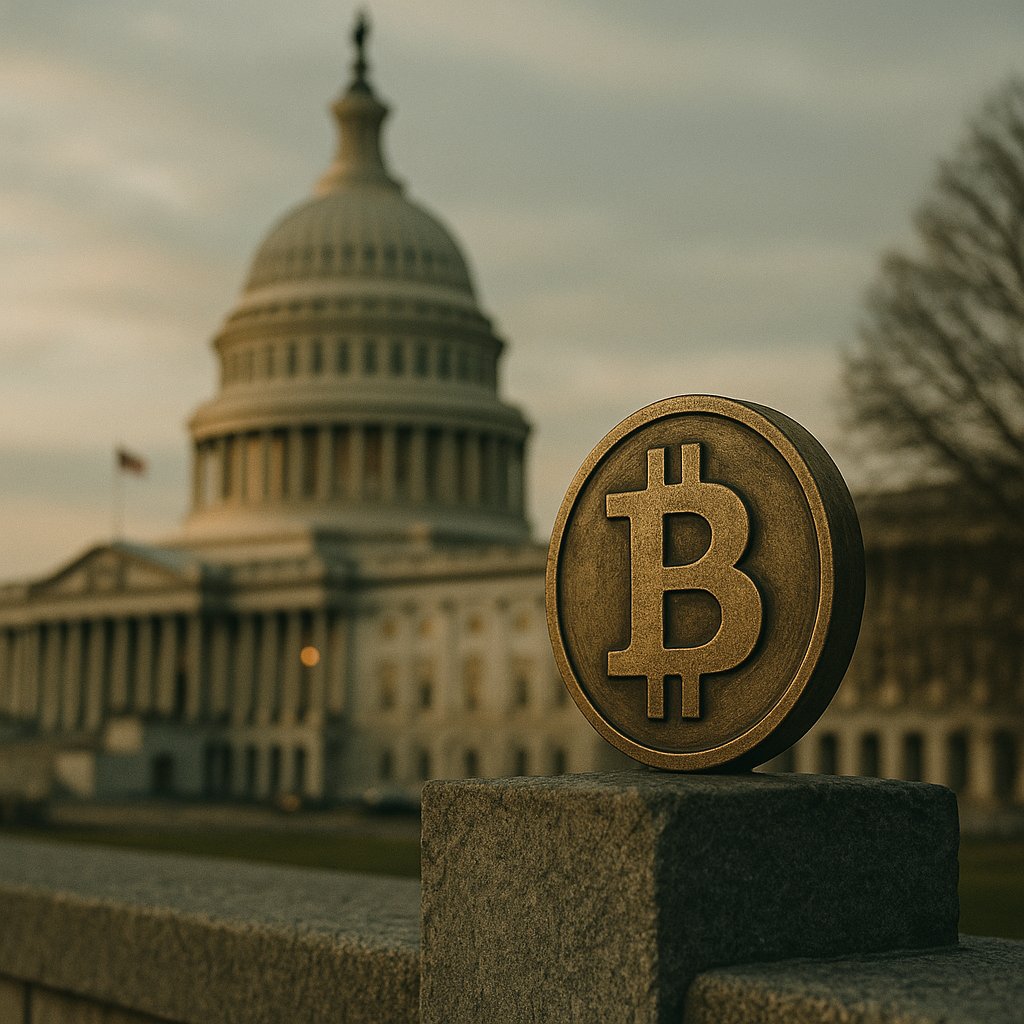
Our read
The state is finally admitting that regulating crypto is a goldmine for insider trading, yet they are acting like a minor disclosure form solves the rot of a political class that routinely beats the S&P 500 on insider info.


What happened
The White House has agreed to include strict conflict-of-interest and ethics provisions in a bipartisan crypto regulatory bill, forcing federal officials to disclose and potentially divest their digital asset holdings.
The brief
Forcing a few mid-level bureaucrats to log their Solana trades is a cheap distraction from the fact that lawmakers still get to trade defense and tech stocks right before voting on subsidies.
The sides
- Government Regulators
Federal officials must be legally barred from trading the highly volatile digital assets they are actively writing the rules for.
- Crypto Advocacy Groups
Singling out digital assets with hyper-specific disclosure rules while letting politicians trade traditional stocks with impunity is performative bias.
Why now
The Hill's breaking coverage of the Crypto Clarity Act has triggered immediate debate across crypto Twitter and financial policy circles regarding the hypocrisy of federal trading rules.
Questions
What are the new White House crypto ethics rules actually trying to accomplish?
The proposed rules are designed to create the appearance of a clean regulatory process while leaving the broader system of political insider trading completely intact. By forcing low-level federal officials to disclose or divest their digital assets, the administration can claim it is cracking down on conflicts of interest. In reality, these rules act as a convenient shield for a political class that routinely beats the market using non-public information.
Who actually benefits from these new disclosure requirements?
Established Wall Street firms and compliant crypto conglomerates benefit because these rules create a massive compliance barrier that keeps smaller, disruptive competitors out of the room. When the regulatory process is wrapped in layers of ethics theater, only the most well-funded lobbying operations can afford to navigate the system. This effectively centralizes control over the digital asset landscape under the guise of public interest.
How do these crypto rules compare to how Congress handles traditional stock trading?
The double standard is glaring: while federal employees face strict divestment mandates for digital assets, members of Congress continue to trade millions in traditional stocks with virtually zero consequences. The STOCK Act of 2012 has proven to be entirely toothless, resulting in minor, rarely enforced fines for lawmakers who trade on insider committee information. This new crypto crackdown is a distraction from the unchecked trading happening on Capitol Hill.
What is the strongest counter-argument in favor of these strict ethics provisions?
Proponents argue that because crypto markets are highly volatile and susceptible to regulatory whims, even the slightest hint of a conflict of interest could destroy public trust in federal policy. They claim that absolute transparency is the only way to prevent regulators from pumping their own bags before releasing favorable guidelines. However, this argument ignores the fact that the regulators themselves are rarely the ones making the real money from these policy shifts.
What happens next if this bipartisan crypto bill actually passes?
Expect a quiet exodus of highly skilled technical talent from regulatory agencies like the SEC and CFTC. Competent builders and engineers who hold digital assets will choose to work in the private sector rather than deal with invasive federal divestment mandates. This will leave regulatory agencies staffed entirely by career bureaucrats who do not understand the technology they are tasked with policing.
How will these rules impact the average retail crypto investor?
Retail investors will face a more stagnant market as innovation gets choked out by bureaucratic red tape. When regulators are forced to treat every digital asset like a toxic conflict of interest, they default to slow, defensive policymaking that favors legacy financial institutions. The average investor gets left with fewer decentralized options and more heavily gatekept, corporate-approved financial products.
Receipts
Related dispatches
- The CLARITY Act Ethics CompromiseThe political class spent years pretending crypto regulation was a high-minded debate over consumer protection and systemic risk. In reality, the entire legislative logjam was broken the second politicians traded away their right to pump personal memecoins from the Oval Office.
- Congress tries to kill crypto market structure bill with ethics baitEthics rules in Washington are rarely about ethics; they are the preferred procedural weapon to choke off industries you do not like. By demanding hyper-specific asset bans, opponents get to pose as consumer champions while keeping the SEC's arbitrary enforcement-first regime alive.
- The SEC's Eternal Warning LoopThe SEC continues to treat decentralized software protocols like 1930s orange groves because the ambiguity is the actual policy. By refusing to draft clear, modern rules, the agency ensures it can keep policing the entire industry via retroactive enforcement actions.
- The CLARITY Act Reality CheckThe CLARITY Act isn't about protecting retail investors; it is a desperate attempt to build a regulatory firewall before the SEC completely destroys the domestic crypto industry through endless, arbitrary lawsuits.
- TikTok Shadowbans the Fact-CheckersThe professional fact-checking class spent years demanding platforms build automated censorship engines to crush 'misinformation.' Now they are crying foul because those same brainless, context-blind algorithms are eating them too. When you build a machine that deletes speech on keywords, it does not care who is holding the clipboard.
- The Luxury Detention StandardThe political class loves to propose policy as if they are designing a boutique hotel on someone else's dime. Demanding fence-free, private-room migrant suites in the middle of a historic border crisis is the ultimate luxury belief: it signals high-status empathy to donors while leaving local border communities to deal with the actual gravity of the system.