
Google Play Services

Definition
Silicon Valley loves to preach open-source, but Google Play Services is the invisible digital ankle monitor that turned Android into a proprietary rental property where Google owns the locks on the doors.
The Tell
Google Play Services is how Google turned 'open-source' Android into a proprietary rental property where they own the locks.

Why it matters
By locking critical APIs behind a closed-source background layer, Google made the Android Open Source Project practically unusable for any developer who wants their app to actually work, effectively neutralizing the threat of a truly free and open mobile ecosystem.
Visual
The note
The official story is that Google Play Services is a friendly, background utility keeping your Android apps updated, secure, and running smoothly without requiring a full operating system update. It is marketed as the ultimate developer convenience, bundling location data, push notifications, and security checks into a single, seamless package. If you want to build an app that doesn't crash, you use their APIs. But this convenience is a golden cage. By slowly migrating vital system functions out of the free Android Open Source Project (AOSP) and into the proprietary Play Services layer, Google quietly hollowed out the open-source promise. If a phone maker tries to fork Android to build a truly independent, Google-free device, they discover that almost every major app on the market instantly breaks because those apps rely on Google's closed-source APIs to function. This is the core of the Department of Justice's antitrust fight against the search giant. It is not just about search defaults; it is about how Google uses Play Services as a licensing cudgel to force hardware makers into total submission, ensuring that no competitor can ever build a viable alternative mobile operating system without paying the Google tax.
In the wild
Receipts from the feed. Not the definition. Proof the fight is real.
- The Department of Justice's landmark antitrust case targeting Google's monopolistic control over the Android ecosystem and developer API lock-in.
- The Android Open Source Project (AOSP) remaining technically free to download while being practically non-viable for modern apps without Google's proprietary layer.
- Alternative mobile operating systems like GrapheneOS and LineageOS spending massive engineering resources trying to sand-box or mimic Play Services just to make basic apps run.
Gifnotes poster
Related
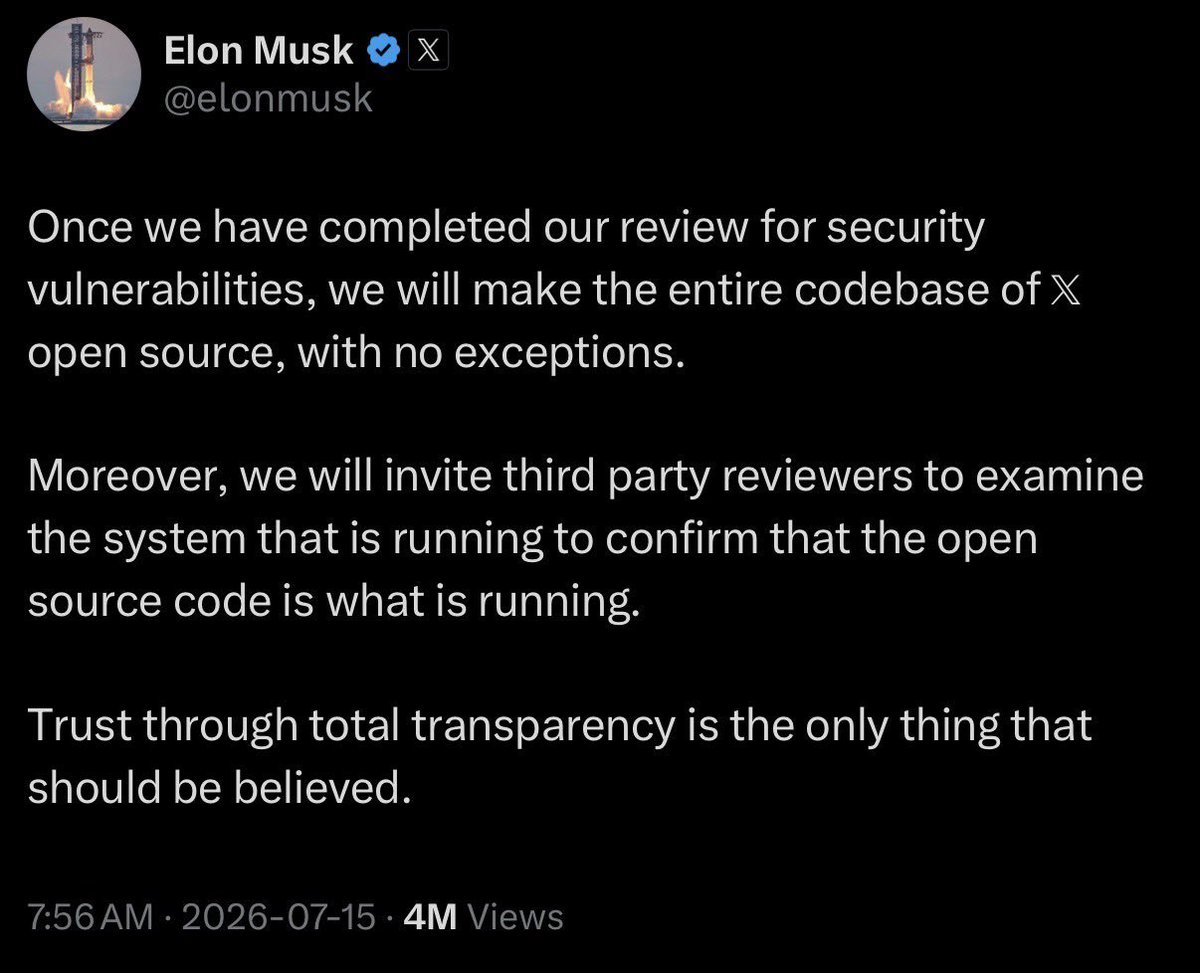 Open Source Social MediaOpen source social media is the new Trojan horse: it promises user freedom but often delivers nation-states and tech titans a fresh way to control digital discourse. Pay attention, because 'open' doesn't always mean 'yours.'
 Table Stakes (Tech)'Table stakes' used to mean the boring features every product shipped. In AI, it means the trust floor that demos keep torching while VCs clap for the next brittle miracle.
 SaaspocalypseSaaspocalypse is the joke that stopped being a joke: vibe-coded custom tools eating the monthly SaaS stack one workflow at a time.
Sources
FAQ
Can an Android phone function without Google Play Services?
Technically yes, but practically no. While the phone will boot using basic open-source Android, almost every mainstream app, from ridesharing to banking, will crash or lose core features like push notifications and location tracking because they are hardcoded to rely on Google's proprietary APIs.
Why doesn't the open-source community just build an alternative?
They try, through projects like microG, which attempt to spoof Google's APIs. However, Google constantly updates Play Services, creating a cat-and-mouse game where independent developers must continuously reverse-engineer Google's closed code just to keep basic app functionality alive.
How does this relate to the government's antitrust case against Google?
The Department of Justice argues that Google uses Play Services and its licensing agreements to block competition. Phone makers who want access to essential Google apps like Maps or YouTube are forced to sign restrictive agreements that prevent them from selling devices running modified, non-Google versions of Android.