
Open Source Social Media

The take
Open source social media often ships freedom branding with a control payload: nation-states and titans get a cleaner lever over discourse while waving an open-source flag.
The Tell
Open code. Same ban hammer politics.

Stakes
Code transparency is not the fight. Moderation power and narrative control still sit with whoever runs the default client and the policy.
The read
Advocates for open source social media often paint a picture of digital utopia: a grassroots movement where users own their data, escape corporate censorship, and build truly democratic online communities.
The promise is a decentralized internet, free from the whims of Big Tech or government overreach, where transparency in code guarantees freedom in speech.
But the reality is frequently a strategic power play. Powerful actors, from nation-states to individual tech billionaires, leverage the 'open source' label to either build their own new walled gardens or undermine existing platforms they don't control.
It's a convenient rhetorical shield, allowing them to sidestep accountability for content moderation while still dictating the terms of engagement.
This dynamic is clear in Elon Musk's 'open-sourcing' X while maintaining centralized control, or the EU's push for 'tech sovereignty' that often backs private, for-profit platforms.
Even legislative efforts, like California's AB 1856, can exempt open source while expanding age-gating, showing how 'open' can be selectively applied to advance specific agendas, not necessarily user agency.
In the wild
- Elon Musk says he will open-source X codebase
- EU praises open source for tech sovereignty, then backs W, a private for-profit microblogging platform
- One Step Forward, Two Steps Back: CA's AB 1856 Exempts Open Source But Expands Age-Gating
Related
 Kimi-Claude DistillationThe idea of 'original AI' is a marketing fantasy. Kimi-Claude Distillation is the quiet tell that models openly learn from each other, making true intelligence a fungible, open secret and forcing us to rethink who owns what in the AI race.
 News FitnessNews Fitness is when the people who profit from a dirty feed hand you a workout plan and call it civic virtue.
 SocialFiSocialFi sells 'own your following,' then sells you a Friend.tech key to the chat. Whales keep the ban hammer. Twitter walls did not fall. You just paid cover.
 Community Notes (Platform Governance)Community Notes looks like crowdsourced fact-checking. In practice it is how platforms let the majority selectively police narratives that challenge institutions, often burying inconvenient truths under 'context.'
 Online Disinhibition EffectThe Online Disinhibition Effect reveals the cost of platforms that reward performative outrage over genuine discourse. It's the internet's tell: what looks like a bug in human behavior is often a feature of algorithmic design.
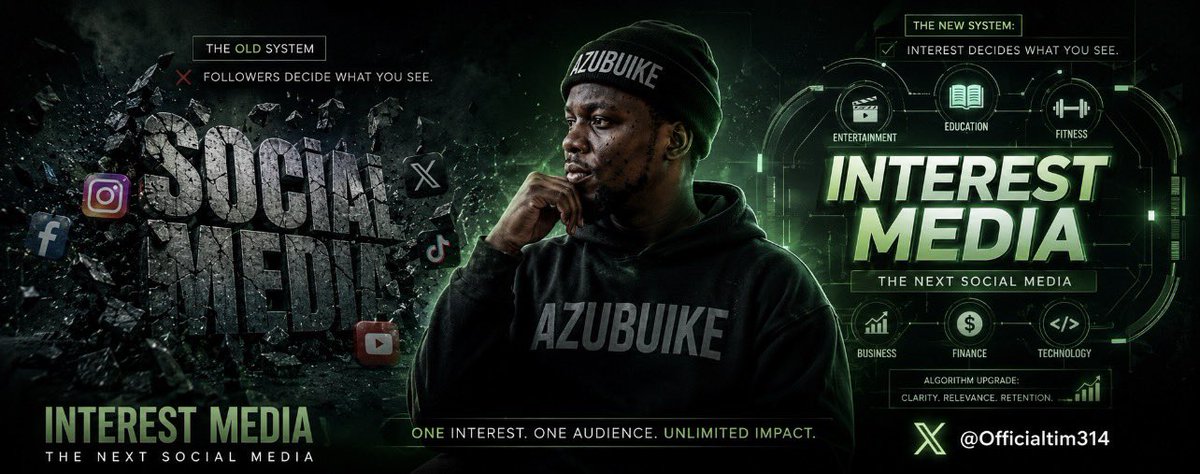 Interest MediaInterest media is the attention economy's rebrand. Organic reach now costs creators endless content or cash, and 'free' visibility is a high-effort trap.
Gifnotes poster
Sources
FAQ
How does 'open source' usually work, and why is social media different?
Traditionally, open source means the underlying code is publicly accessible, allowing anyone to inspect, modify, and distribute it. For social media, while the code might be open, the network effects, server infrastructure, and content moderation policies often remain centralized, limiting true user control.
What's the catch when governments push for 'tech sovereignty' with open source?
When governments push for 'tech sovereignty' using open source, it often means they want to control the digital infrastructure within their borders. This can lead to state-backed platforms that, despite being 'open source,' still serve national interests, including surveillance or censorship, rather than truly empowering individual users.
If the code is open, why can't users just take control?
While open code allows for transparency and auditing, it doesn't automatically grant users control over the platform's operation. Running a social media network requires massive infrastructure, maintenance, and moderation, which typically remains in the hands of a centralized entity, even if the code itself is public.