
Kimi-Claude Distillation

The take
The idea of 'original AI' is a marketing fantasy. Kimi-Claude Distillation is the quiet tell that models openly learn from each other, making true intelligence a fungible, open secret and forcing us to rethink who owns what in the AI race.
The Tell
AI 'originality' is just advanced copying. Kimi-Claude Distillation proves innovation is better packaging.

Stakes
When models distill each other's outputs, IP blurs and the 'original AI' story collapses. The fight is who packages borrowed intelligence best, not who invents in a vacuum.
Source Dispatch
The read
Kimi-Claude Distillation describes the observed phenomenon where one large language model, like Kimi, appears to have learned from or refined the outputs of another, such as Claude.
It's less about direct code copying and more about models internalizing the 'knowledge' or 'style' of a superior model's responses, then integrating it into their own architecture.
This makes the 'original AI' narrative a bit of a joke, as the intelligence becomes a collective, cross-pollinated effort. The mainstream tech narrative loves to push proprietary AI models as distinct, self-contained 'brains' built on unique, secret datasets.
This fuels the 'AI race' hype, justifying massive valuations and competitive claims. Companies want you to believe their model is a singular, groundbreaking creation, not a highly sophisticated student of its peers.
It's a clean story for investors and a simple differentiator for consumers. But the practical reality of AI development is far messier.
LLMs frequently learn from and 'distill' the outputs of other models, blurring the lines of intellectual property and making 'originality' a marketing fantasy.
The real innovation isn't in building from scratch, but in who can best refine, optimize, and package this collective intelligence. This quiet battle over 'borrowing' and refining competitors' outputs will redefine market share, investment narratives, and the future of IP law in the digital sphere.
In the wild
- X user @denisewu observes Kimi-Claude Distillation, sparking debate on AI model interdependencies.
- Academic papers frequently discuss 'knowledge distillation' as a technique for training smaller, more efficient models from larger, more powerful ones.
- Tech news often highlights 'breakthroughs' in AI, while rarely detailing the extent to which models learn from publicly available outputs of competitors.
- AI companies often emphasize their 'unique datasets' and 'proprietary architectures' in investor calls, sidestepping the role of cross-model learning.
Related
 Co-opetition in AI DevelopmentCo-opetition in AI is risk-hedging with a smile. Labs socialize frontier R&D costs, then privatize the breakthroughs that print money. Shared burden is not shared profit.
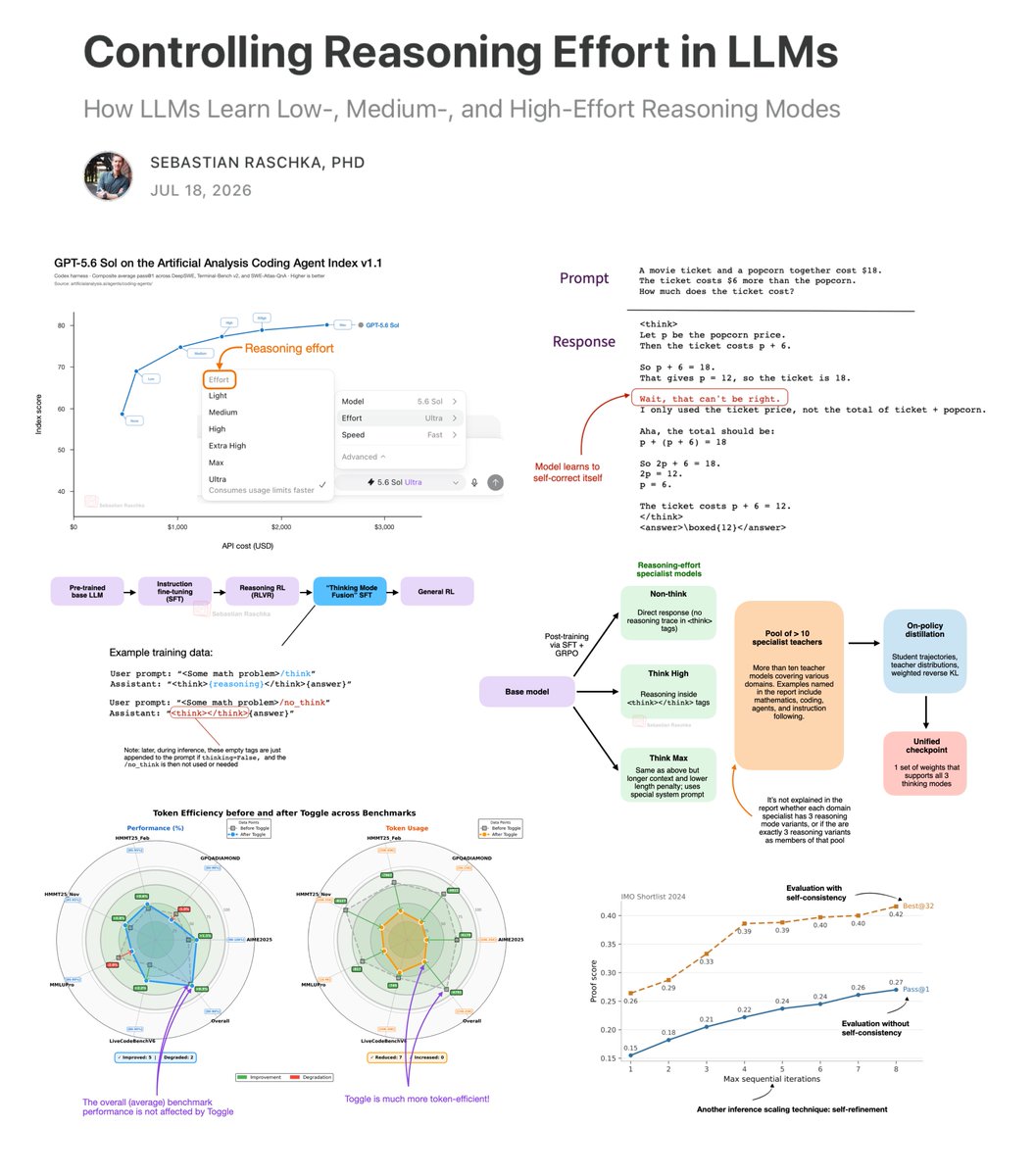 Distillation DriftWhen AI models eat their own cooking, Distillation Drift kicks in: the slow, silent decay of quality as AI trains on AI output, replacing human insight with increasingly bland or hallucinated data.
 Sputnik CopeEvery time a Chinese model tops the leaderboard, America runs the same ritual: insist it doesn't count, then go back to blocking data centers and drafting rules to pre-approve its own labs. Sputnik Cope is losing a race in real time while telling yourself the other guy is cheating.
 Fan Fiction FallacyAI trained on engagement sludge does not invent. It remixes the internet's lowest common denominator and calls the paste creativity.
 GIST FilterYouTube's GIST filter is less about 'originality' and more about platform-enforced scarcity, a new algorithmic gatekeeper designed to re-monetize creator attention. Fail its AI-driven originality check, and you risk a shadowban, forcing higher production value just to stay visible.
 Attention BottleneckTrying to remember literally everything makes AI models expensive and dumb. The Attention Bottleneck is the fundamental design flaw that chokes their ability to scale, a massive cost for anyone building the next generation of intelligence.
Gifnotes poster
Sources
FAQ
How does Kimi-Claude Distillation impact AI intellectual property?
It complicates it significantly. If models learn from each other's outputs, determining true 'originality' or ownership becomes incredibly difficult, potentially leading to new legal challenges and a re-evaluation of IP frameworks for AI.
Does this mean AI models are just copying each other?
Not directly like plagiarism. It's more akin to a student learning from a master's work, internalizing patterns and knowledge, then producing their own improved version. The 'copying' is at a systemic, not literal, level.
What does this mean for the 'AI race' among tech giants?
It shifts the focus from who builds the 'first' or 'most original' model to who can most effectively and efficiently distill, refine, and deploy the collective intelligence. The race becomes about optimization and packaging, not just raw creation.