
Preference Falsification

The take
Nodding along to corporate DEI liturgy while secretly planning to vote it out of existence is the survival tax of the modern workplace. Preference falsification is the quiet price of keeping your healthcare under a soft totalitarian compliance regime that treats a wrong Slack message as a class offense.
The Tell
Nodding along in the DEI seminar to keep your job, then voting to dismantle the entire department the second you enter the booth.

Stakes
When public consensus is manufactured by HR departments and university speech codes, the risk is a society-wide pressure cooker. When everyone lies to the pollsters to protect their livelihood, the eventual correction is never a polite debate; it is a sudden, volatile snap that catches the credentialed class completely off guard.
The read
The mainstream narrative insists that people self-censor out of politeness, a gentle concession to maintain social harmony in polarized times.
This is a convenient fiction designed by the very administrators who hold the clipboard. In reality, hiding your true opinions is a cold, rational defense mechanism against an activist class that weaponizes professional exile to enforce ideological conformity.
Under this regime, active performance is demanded. It is no longer enough to stay quiet; you must actively repeat the HR-approved slogans to signal compliance.
This creates a feedback loop where everyone assumes everyone else actually believes the liturgy, further raising the cost of speaking honestly and cementing a false majority.
But the human brain does not actually align with the spreadsheet. While corporate DEI departments and university administrators celebrate their unanimous surveys, they are merely measuring fear, not agreement.
The silent majority is not converted; they are simply waiting for the cost of dissent to drop below the cost of compliance.
In the wild
- Corporate DEI departments reporting 98% employee alignment on initiatives while anonymous internal message boards show massive, bitter pushback.
- University speech codes that force faculty to sign diversity statements to secure tenure, resulting in unanimous public compliance and private resentment.
- Public opinion pollsters consistently failing to predict election outcomes because voters refuse to tell strangers their actual preferences.
Related
 Terminally onlineTerminally Online is when the feed's stakes feel more real than your actual life. Likes, outrage loops, and timeline drama become the OS; IRL is the side quest.
 AI SlopPlatforms pay for volume, so the machine floods your feed with filler until the real stuff drowns. That sludge is AI slop.
 NewsjackNewsjacking is when a brand or influencer hijacks a trending news story or event to promote their own sh*t. Basically the digital equivalent of an ambulance chaser, but for clicks.
 SaaspocalypseThe joke stopped being a joke. Vibe-coded custom tools are eating the monthly SaaS stack one workflow at a time. That slaughter is Saaspocalypse.
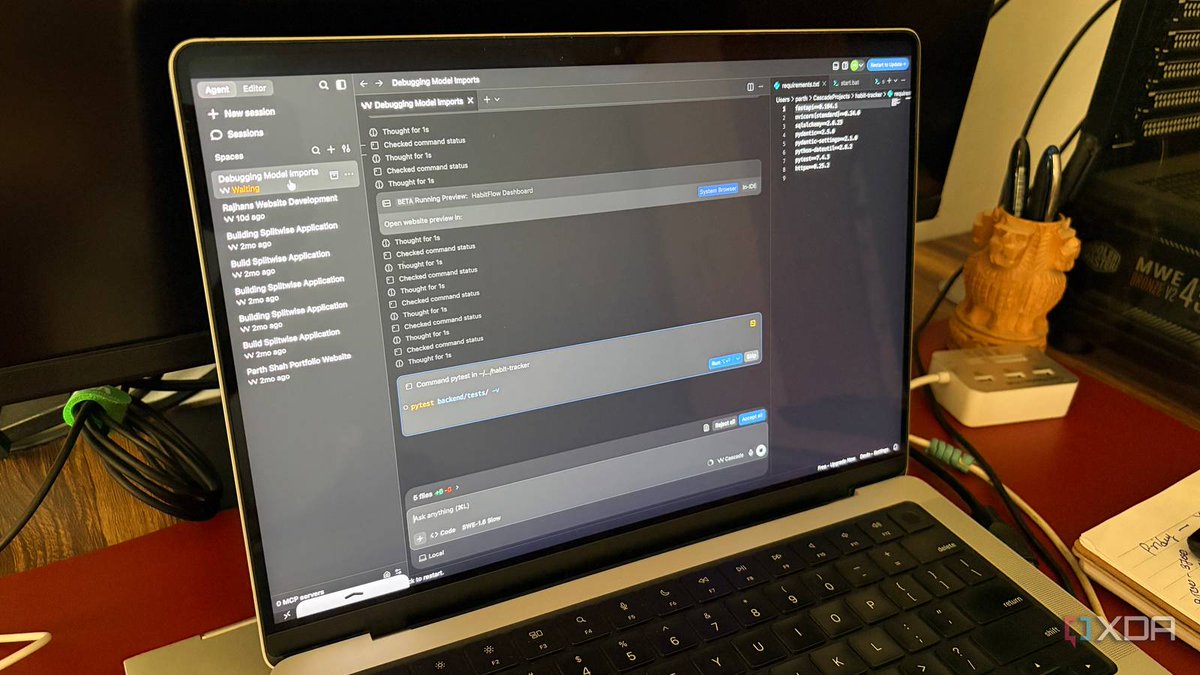 Vibe CodingVibe coding was sold as everyone becoming a software mogul. What it actually does is liquidate entry-level coding jobs and leave the high-agency architect as the only adult in the room who can debug the beautiful mess a model spat out in three seconds.
 FemcelThe soft Femcel profile is a dating-market sob story. The expensive version staffs HR and the NPC compliance layer: programmable empathy aimed at MS-13 and radical Islamists, billed as care.
Gifnotes poster
Sources
FAQ
How does preference falsification differ from standard politeness?
Politeness is choosing not to tell your coworker their haircut is terrible to avoid hurt feelings. This concept is about hiding your core political, social, or economic beliefs because revealing them carries the threat of losing your job, your reputation, or your social standing.
What triggers the sudden collapse of this dynamic?
It collapses when the perceived cost of speaking out drops, or when a few highly visible individuals refuse to lie anymore. Once the first few people state the obvious without getting destroyed, the illusion of unanimous consensus evaporates overnight.
Why are public opinion polls so vulnerable to this?
Polls rely on the assumption that strangers will be honest with a clipboard-holder. When the mainstream media labels certain opinions as unacceptable, normal people simply lie to the pollster to end the call, rendering the resulting data useless.