Stealth Meditation

The take
Self-improvement gurus pitch Stealth Meditation as an elite productivity superpower, but micro-dosing deep breaths in the boardroom is actually the mammalian nervous system putting a silencer on its own distress signals so your mind can keep driving a collapsing body toward a performance goal it was never built to sustain.
The Tell
Micro-dosing deep breaths in the boardroom is just putting a silencer on your body's check-engine light.
Stakes
The self-improvement industrial complex sells silent, undetectable breathing hacks to knowledge workers so they can tolerate toxic corporate environments. But treating your ancient biology like a software patch only masks the damage, allowing you to redline your system until you hit sudden, catastrophic burnout.
Source Dispatch
The read
The modern hustle demands that you remain calm, creative, and compliant while sitting in a cubicle under fluorescent lights for ten hours a day.
To survive this, corporate warriors have turned to stealth meditation: silent, invisible breathing techniques designed to lower their heart rate without alerting their boss or peers that they are having a physiological panic attack.
It is the ultimate productivity hack for a culture that views human biology as an inconvenient bottleneck to be optimized. In reality, your autonomic nervous system is not a machine to be reprogrammed with a consumer gadget or a quick box-breathing exercise.
Dr. Stephen Porges, creator of Polyvagal Theory, has spent decades proving that our physiological states are ancient evolutionary survival mechanisms. When your body senses threat, it enters a state of mobilization or shutdown.
Trying to mentally override this state with a silent breath is like taping over the check-engine light on your dashboard while driving ninety miles an hour down the highway.
True recovery cannot be engineered in isolation at your desk. It requires real-world mammalian co-regulation, safety, and actual rest.
If you use mindfulness techniques merely to tolerate a toxic, high-stress environment, you are not healing; you are just silencing the alarm system so you can keep running toward a cliff.
In the wild
- Dr. Stephen Porges explaining on the Chris Williamson podcast how chronic stress locks the autonomic nervous system into a permanent state of war that mental discipline alone cannot override.
- Corporate wellness programs promoting micro-mindfulness and desk-breathing apps as a substitute for addressing systemic workplace burnout and unmanageable workloads.
- Biohackers using wearable devices to track heart rate variability (HRV) and force physiological calm during high-stress board meetings.
- Episode: The Evolutionary Cost of the Hustle: Why Your Nervous System Refuses to Be Hacked (https://www.youtube.com/watch?v=V5A9q4HZ1Ro)
Related
 Terminally onlineTerminally Online is when the feed's stakes feel more real than your actual life. Likes, outrage loops, and timeline drama become the OS; IRL is the side quest.
 NewsjackNewsjacking is when a brand or influencer hijacks a trending news story or event to promote their own sh*t. Basically the digital equivalent of an ambulance chaser, but for clicks.
 BEHODLBEHODL is Gifdead's unserious-serious mashup of behold and HODL: look at this, and maybe don't panic-sell your personality. It's the internet's way of saying, "Pay attention, but don't let the algorithm or the mob dictate your next move."
 The Never-NeverThe cost of buying the Hollywood myth of a decadent, drug-addled Weimar Republic is that you fall for Joseph Goebbels' original marketing campaign. The Never-Never is the historical hallucination of a progressive Babylon that allegedly triggered its own cultural backlash, hiding the reality that the regime's rise was actually fueled by a fragile American credit crunch and elite accountability-dodging.
 De-education SystemWhen a society swaps historical literacy for moral self-flagellation, the risk is a de-education system that actively trains the next generation to dismantle their own culture from the inside.
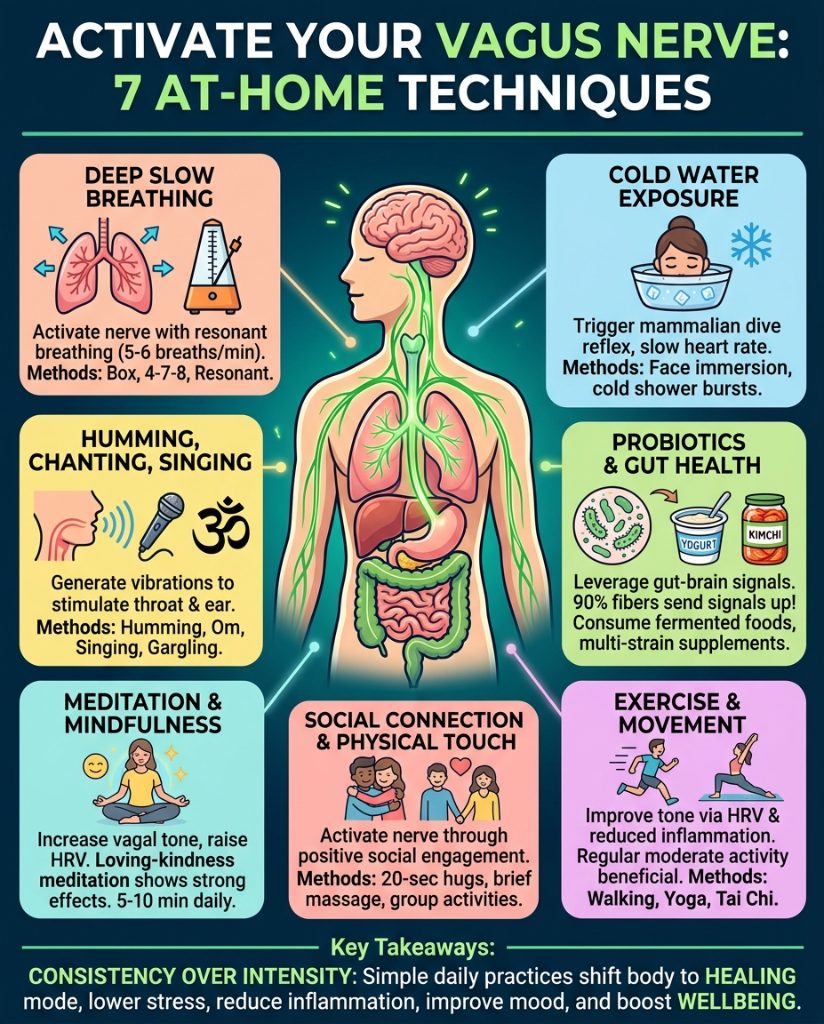 Resonant BreathingHigh-agency overachievers keep trying to bully their chronic exhaustion with willpower, but resonant breathing is the physiological emergency brake that tricks your ancient mammalian engine into shutting down its combat subroutines.
Gifnotes poster
Sources
FAQ
What is the main problem with using breathing hacks to get through a stressful workday?
The issue is that you are using a physiological tool to mask a structural problem. When you use silent breathing exercises to artificially lower your heart rate during a toxic meeting, you are silencing your body's natural alarm system. This allows you to tolerate chronic stress that your nervous system was never designed to handle, leading to deep, systemic burnout that a weekend of rest cannot fix.
How does Polyvagal Theory explain why we cannot just think our way out of stress?
Dr. Stephen Porges' Polyvagal Theory shows that our thoughts and social behaviors are downstream of our physiological state, not the other way around. When your autonomic nervous system detects threat, it shifts your body into fight-or-flight or shutdown. You cannot simply use mental discipline or silent breathing to override this ancient evolutionary wiring; your body requires actual safety and co-regulation to recover.
Who profits from the promotion of stealth meditation and quick mindfulness hacks?
The self-improvement industrial complex and corporate HR departments are the primary beneficiaries. By framing stress management as an individual responsibility that can be solved with an app or a breathing technique, organizations avoid having to address toxic work cultures, unrealistic deadlines, or structural inefficiencies. It shifts the burden of systemic failure onto the employee's nervous system.
What is the difference between genuine meditation and stealth meditation?
Genuine meditation is a practice of awareness and connection designed to foster long-term mental clarity and presence. Stealth meditation is a tactical, high-stress coping mechanism used to suppress immediate physiological distress. One is about cultivating a deeper relationship with your mind, while the other is about putting a silencer on your body's distress signals so you can keep working.
How can a person achieve real nervous system recovery instead of just masking stress?
Real recovery requires restoring autonomic flexibility through actual safety, physical rest, and mammalian co-regulation. This means spending time in environments where your body does not feel threatened, engaging in face-to-face social connection with trusted people, and removing yourself from chronic stressors rather than trying to biohack your way through them.