Freedom Of Speech, Not Reach

The take
The establishment wants you to believe that throttling your reach is just a polite way to keep the peace. In reality, "freedom of speech, not reach" is a soft-censorship trap designed to let platforms shadowban dissent and curate a political monoculture without triggering a First Amendment lawsuit.
The Tell
Freedom of speech, not reach: the digital equivalent of letting you speak, but only inside a soundproof glass box.
Stakes
This semantic loophole allows Silicon Valley executives to silence independent reporting and conservative viewpoints under the guise of safety, leaving users shouting into an empty room while platforms claim they never actually took away their microphone.
Source Dispatch
The read
The mainstream defense of this practice is simple: private platforms have no obligation to amplify hate speech, and limiting its spread is a common-sense compromise that protects both free expression and public safety.
By throttling the algorithm instead of hitting the ban button, tech companies claim they are preserving your right to speak while protecting the collective feed from toxicity.
But this compromise is a polite fiction. When trust-and-safety boards at major platforms decide to bury a story or a creator, they are not just managing traffic; they are exercising absolute editorial control.
By turning down the digital volume to zero, they achieve the exact same outcome as an outright ban, but without the public backlash or the legal headaches of direct censorship.
This is the preferred weapon of the credentialed speech-police class. Figures like Renee DiResta, organizations like the Center for Countering Digital Hate, and pressure groups like Jonathan Greenblatt's ADL have long lobbied for these algorithmic dials.
For the independent creator or the skeptical reader, the lesson is clear: narrative control is no longer about who gets to speak, but who controls the volume knob.
In the wild
- The Center for Countering Digital Hate repeatedly pressured platforms to algorithmicly de-amplify accounts questioning official narratives under the banner of safety.
- Renee DiResta and academic trust-and-safety researchers documented methods for throttling the reach of 'borderline content' to suppress viral dissent without resorting to outright bans.
- Jonathan Greenblatt of the ADL publicly advocated for financial and algorithmic throttling of accounts deemed to spread hate speech, framing it as a defense of platform integrity.
Related
 Terminally onlineTerminally Online is when the feed's stakes feel more real than your actual life. Likes, outrage loops, and timeline drama become the OS; IRL is the side quest.
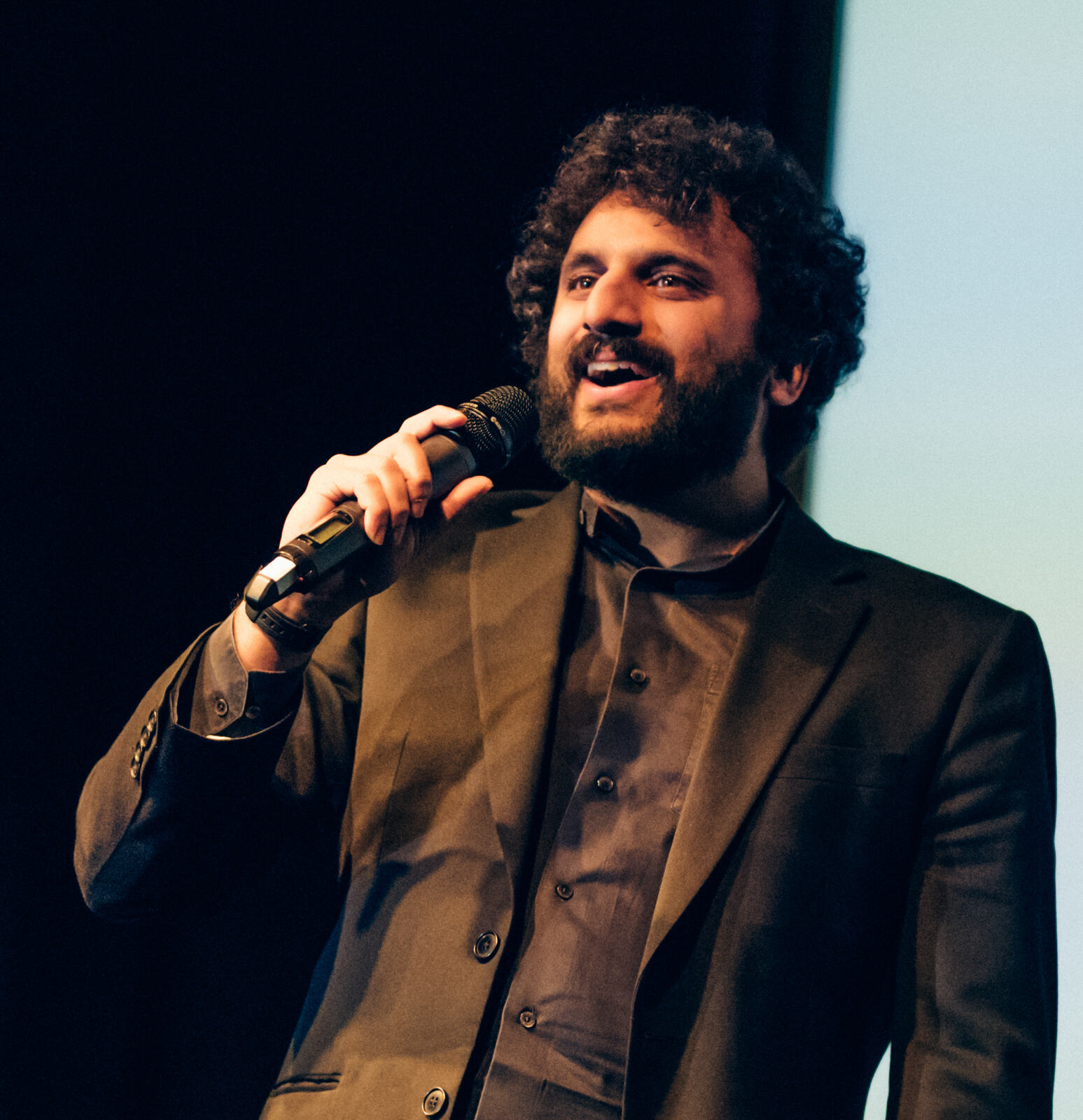 NewsjackNewsjacking is when a brand or influencer hijacks a trending news story or event to promote their own sh*t. Basically the digital equivalent of an ambulance chaser, but for clicks.
 BEHODLBEHODL is Gifdead's unserious-serious mashup of behold and HODL: look at this, and maybe don't panic-sell your personality. It's the internet's way of saying, "Pay attention, but don't let the algorithm or the mob dictate your next move."
 Airlines For AmericaWhen the major carriers need to block new competitors or dodge passenger refund laws, they send Airlines for America to play the safety card and secure the next multi-billion-dollar taxpayer bailout.
 Audience CaptureIndependent creators like to pretend they are fighting the machine, but audience capture is the highly rational business model where they trade their intellectual freedom to become high-yield puppets for their most unhinged followers.
 Soft CensorshipThe state no longer needs court orders to silence you when tech platforms do the dirty work preemptively. Soft censorship is the outsourced compliance racket where platforms throttle inconvenient truths to keep their regulatory immunity, meaning the cost of trusting your feed is a completely manufactured reality.
Gifnotes poster
Sources
- The Trump Administration’s Latest Attack on Free Speech - The Free Press
- Censoring with a vengeance: Indecent speech in the Yiddish theater - FIRE | Foundation for Individual Rights and Expression
- Hazelwood is the training-wheels version of free speech. It’s past time the Court revisited it. - Free Speech Center
- Trump pushes UN ‘free speech’ declaration in veiled attack on EU tech regulation - politico.eu
- A Normative Intervention to Reclaim ‘Free Speech’ - | Knight First Amendment Institute
FAQ
How does algorithmic throttling differ from outright banning?
An outright ban is loud and visible, often triggering public backlash and accusations of censorship. Throttling is silent; your account remains active, but the platform's algorithm ensures your posts are hidden from your followers' feeds, leaving you speaking to an empty room.
Why do platforms prefer this approach over traditional moderation?
It provides legal and public relations cover. By keeping the account active, platforms can claim they are not violating free speech principles or terms of service, while still successfully neutralizing the reach of dissenting viewpoints.
Who decides what content gets its reach restricted?
A combination of platform trust-and-safety executives, third-party NGO pressure groups, and automated keyword moderation systems that flag content deviating from approved institutional narratives.