
Elephant Hunting

The take
The beltway interventionist lobby consistently falls for the trap of Elephant Hunting, risking national bankruptcy by trading long-term economic endurance for the instant gratification of a direct military clash with a continental giant.
The Tell
Elephant Hunting: how empires turn their domestic economies into a cash bar for unwinnable land wars.

Stakes
This matters because direct land confrontation with a peer adversary plays entirely into their hands, draining your treasury and hollows out your domestic strength while your real advantage lies in economic dominance and proxy attrition.
Source Dispatch
The read
The Washington foreign policy establishment and neoconservative think tanks love the theater of direct, muscular confrontation.
They pitch global leadership as a series of high-stakes land wars, arguing that anything less than direct military intervention on an adversary's home turf is a sign of weakness.
It is a seductive, high-testosterone frame designed to feed the military-industrial complex while ignoring the math of sustainable empire. In reality, maritime and economic powers win by keeping their home engines running and funding allies to do the heavy lifting on the margins.
The British Grand Strategy did not achieve global dominance by throwing its own infantry into continental meatgrinders; it did so by maintaining a compounding domestic economy that out-treasured its rivals.
When you march your own forces directly into the territory of a massive land power, you surrender your structural advantages for a quick victory that never comes.
True strategic dominance is about economic endurance, not chasing battlefield glory. The moment you turn your domestic economy into a credit card for open-ended foreign land campaigns, you have already lost the grand strategy game.
The goal is to let the continental giants exhaust themselves on their own borders while your markets, innovation, and trade routes continue to compound.
In the wild
- S.C.M. Paine: 'Rule number one is keep the home economy growing... because that's going to produce the money that's going to fund your military, fund your allies.'
- The Washington foreign policy establishment pushing for direct, high-casualty deployments over economic and proxy pressure.
- Neoconservative think tanks advocating for direct land engagements that ignore the structural advantages of maritime and economic powers.
- Episode: Elephant Hunting: S.C.M. Paine on How Maritime Powers Destroy Empires Without Fighting Them (https://www.youtube.com/watch?v=Q1n4mmQj-Tk)
Related
 Terminally onlineTerminally Online is when the feed's stakes feel more real than your actual life. Likes, outrage loops, and timeline drama become the OS; IRL is the side quest.
 NewsjackNewsjacking is when a brand or influencer hijacks a trending news story or event to promote their own sh*t. Basically the digital equivalent of an ambulance chaser, but for clicks.
 BEHODLBEHODL is Gifdead's unserious-serious mashup of behold and HODL: look at this, and maybe don't panic-sell your personality. It's the internet's way of saying, "Pay attention, but don't let the algorithm or the mob dictate your next move."
 Curiosity TrapMarketers and cult leaders open a knowledge gap on purpose so you cannot look away until they close it. Curiosity Trap is that hijack of your attention budget, sold as engagement craft.
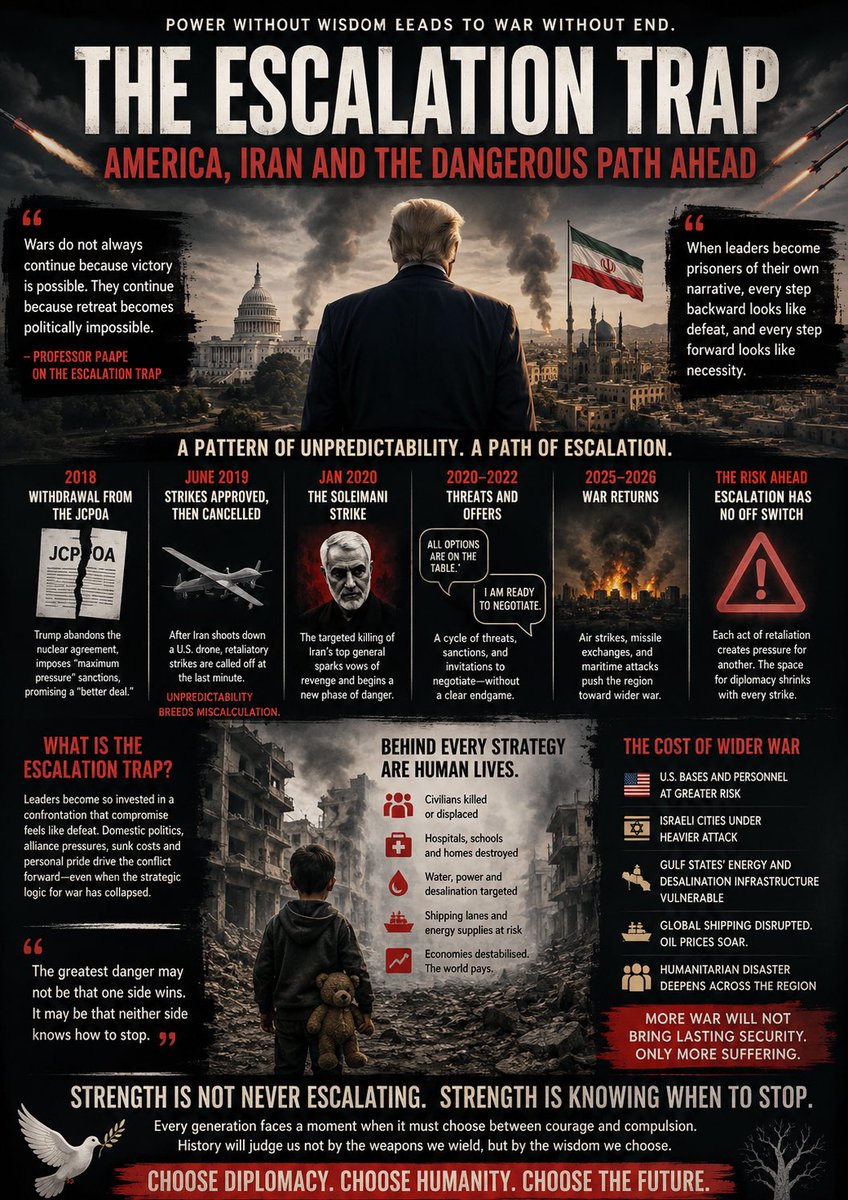 Escalation TrapDemocratic leaders caught in the Escalation Trap will consistently gamble with systemic global economic ruin rather than accept the domestic political suicide of owning a loss on the world stage. It is the structural reality where career politicians double down on losing, trillion-dollar proxy wars because their personal brand cannot survive a ten-second news segment about surrender.
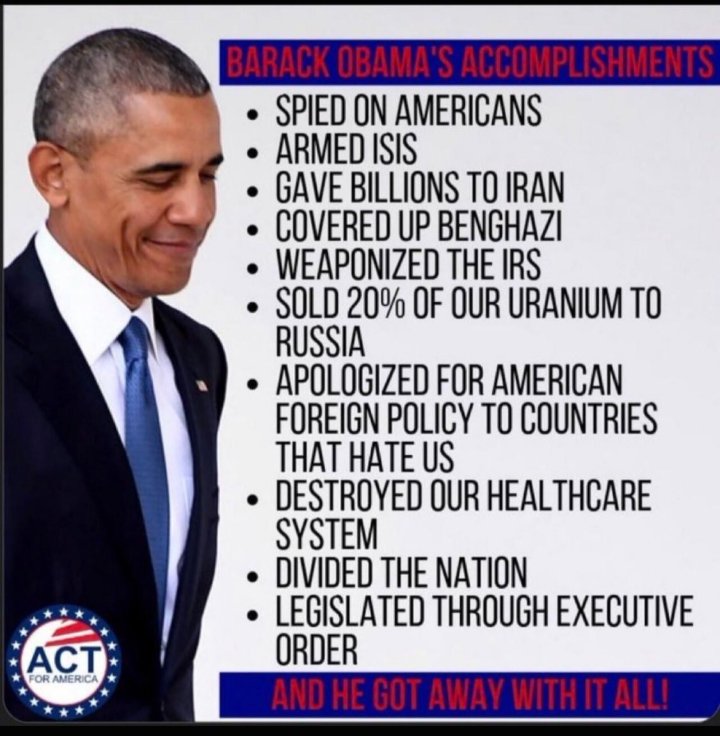 Apology TourParty elites use the modern Apology Tour as a controlled political demolition, forcing failed candidates to parade their losses publicly to ensure they are permanently housebroken. The trap is letting them burn another billion dollars of donor cash just to guarantee they never show up on a national ballot again.
Gifnotes poster
Sources
FAQ
What is the core mistake of an Elephant Hunting strategy?
It is the hubristic error of engaging a massive continental power's main force directly on their home turf, sacrificing your economic endurance for the illusion of a decisive, high-casualty military triumph.
How did historical maritime powers avoid this trap?
Powers like Great Britain focused on keeping their domestic economies growing to fund foreign allies and proxy forces, wearing down continental giants without committing their own infantry to endless land wars.
Why does the foreign policy establishment favor direct confrontation?
The interventionist lobby and the military-industrial complex prioritize immediate, muscular military action because it drives defense spending and narrative control, even if it hollows out long-term domestic stability.