Everyone Has Their Own Vietnam

The take
Polished credentials and bureaucratic checklists work perfectly until you hit the asymmetric chaos of a real crisis. Everyone Has Their Own Vietnam is the moment your top-down authority collapses under raw, unscripted reality, forcing you to either hold your ground on pure, unglamorous habit or watch your paper-thin status get swept away by the terrain.
The Tell
A polished credential is just a paper shield until you meet an opponent who doesn't care about your compliance certificate.

Stakes
Therapeutic culture and corporate HR try to frame every personal or organizational crisis as a systemic failure requiring soft empathy and institutional validation. In reality, survival is purely mechanical and decentralized: when the system fails, you either have the low-stake reps to act on instinct, or you panic and let the contagion of fear destroy your entire operation.
Source Dispatch
The read
The modern credentialist class operates under the delusion that a compliance certificate is a shield against chaos. They build elaborate top-down structures, assuming that because they have a title and a process, the world will respect their authority.
But asymmetric environments do not care about your organizational chart. When the pressure spikes, the bureaucratic playbook becomes useless, leaving the manager completely exposed to a reality they cannot control.
To survive these moments, you have to strip away the Hollywood mythos of elite performance. True leadership in a crisis is not about grand, cinematic gestures or polished speeches; it is about decentralized, unglamorous repetition.
As veterans like Rob O'Neill and Dakota Meyer point out on Megyn Kelly's show, fear is a functional tool that sharpens focus, but panic is a highly contagious disease.
If you have not built the quiet habits of accountability when nothing is on the line, you will inevitably freak out when the stakes are absolute. Ultimately, you cannot outsource your survival to an institution or a HR department.
When your personal Vietnam arrives, the only thing that stands between you and total collapse is your willingness to hold your ground and execute basic, mechanical tasks.
The credentialed managers who rely on top-down checklists will always be the first to run, while the decentralized operators who embrace harsh peer accountability are the ones who make it to the other side.
In the wild
- Navy SEAL veteran Rob O'Neill and Marine Corps Medal of Honor recipient Dakota Meyer join Megyn Kelly to strip away the Hollywood mythos of elite performance, exposing how top-down bureaucratic credentials collapse in asymmetric environments.
- Dakota Meyer: 'Don't ever think that you can do it when it matters if you can't do it when it doesn't matter.'
- Robert O'Neill: 'Fear is fine. Fear makes you think more clearly. It's when you start to freak out that it's dangerous. Panic is very, very contagious.'
- Episode: Megyn Kelly with Rob O'Neill and Dakota Meyer: The Myth of the Born Alpha and the Reality of Asymmetric Warfare (https://www.youtube.com/watch?v=MOH2mYsKo10)
Related
 Terminally onlineTerminally Online is when the feed's stakes feel more real than your actual life. Likes, outrage loops, and timeline drama become the OS; IRL is the side quest.
 NewsjackNewsjacking is when a brand or influencer hijacks a trending news story or event to promote their own sh*t. Basically the digital equivalent of an ambulance chaser, but for clicks.
 BEHODLBEHODL is Gifdead's unserious-serious mashup of behold and HODL: look at this, and maybe don't panic-sell your personality. It's the internet's way of saying, "Pay attention, but don't let the algorithm or the mob dictate your next move."
 Own Worst Character WitnessCreators would rather live-tweet their way into a jail cell than watch their engagement metrics drop to zero. Being your own worst character witness is the inevitable final form of the creator economy, where the compulsive need to feed the feed completely ruins your legal and public relations defense.
 Billion-Dollar HoldVenture capitalists sell the exit as the ultimate victory, but the Billion-Dollar Hold is the realization that cashing out is often just a golden eviction notice from your own zone of genius.
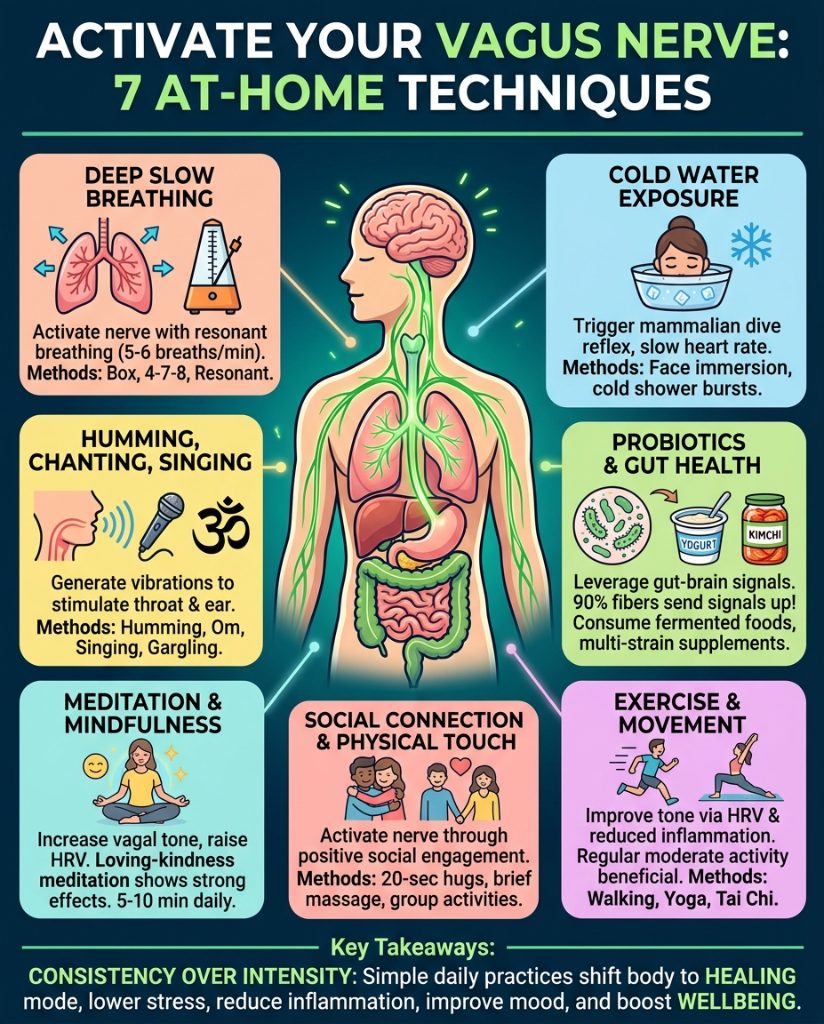 Resonant BreathingHigh-agency overachievers keep trying to bully their chronic exhaustion with willpower, but resonant breathing is the physiological emergency brake that tricks your ancient mammalian engine into shutting down its combat subroutines.
Gifnotes poster
Sources
FAQ
What does Everyone Has Their Own Vietnam actually mean?
It refers to the specific, inevitable moment when your top-down credentials, titles, and bureaucratic checklists fail to protect you from raw, asymmetric reality. It is the point where the system can no longer save you, and your survival depends entirely on your decentralized instincts and unglamorous habits rather than your resume.
How does this concept differ from a generic personal crisis?
A generic crisis is usually treated by modern therapeutic culture as an opportunity for soft empathy and systemic validation. This concept is purely mechanical: it is a direct clash between top-down bureaucratic managers who believe checklists prevent disasters, and decentralized operators who know that only raw, unglamorous execution survives when the terrain turns hostile.
Who benefits from ignoring this reality?
Institutional managers and HR departments benefit because pretending that checklists and compliance certificates prevent crises keeps them in power. They sell the illusion of safety through process, which works perfectly until they meet an opponent or a market reality that does not care about their compliance certificates.
What is the role of fear and panic in these moments?
Fear is a functional, biological tool that sharpens focus and forces clearer thinking under pressure. Panic, however, is a highly contagious social disease that destroys decision-making. When top-down structures collapse, those who have not trained through low-stake reps will panic, dragging down everyone around them.
How do you prepare for your own asymmetric crisis?
You build quiet, boring habits of personal responsibility and peer accountability when the stakes are low. If you cannot execute basic, unglamorous tasks when it does not matter, you will freeze and fail when the spotlight gets hot and the system stops working.