
Feature, Not a Product

The take
Independent utility developers pay the ultimate price when platform monopolies decide to turn their standalone software into a pre-installed OS toggle. The Feature, Not A Product label is the corporate death warrant issued by tech cartels to devalue elegant engineering and absorb it as a free, built-in loss-leader.
The Tell
Building a clean utility on someone else's OS is just doing unpaid R&D for a future system update.

Stakes
When Apple, Microsoft, or Google can subsidize your entire business model as a default button on billions of devices, elegant design ceases to be a moat. Standalone utilities get crushed not by superior innovation, but by the sheer gravity of pre-installed distribution that makes paying for a separate app look like a tax on the uninformed.
Source Dispatch
The read
The tech landscape is littered with the carcasses of brilliant utilities that forgot they were living on rented land. When Drew Houston launched Dropbox, it was a masterclass in seamless file synchronization.
But to Steve Jobs, it was merely a missing folder in the Apple ecosystem. Once the operating system cartels decide your utility belongs in their native settings menu, your subscription model is on borrowed time.
Platform apologists argue that independent apps simply fail to scale into true platforms because they lack product depth or marketing muscle. They claim the market naturally consolidates around integrated suites for the sake of user convenience.
This view conveniently ignores the anti-competitive leverage of default settings, where a pre-installed, subsidized clone can starve a superior competitor of oxygen before the user even visits an app store.
To survive the transition from a clever utility to a durable business, developers must build deep, proprietary networks or complex workflows that cannot be easily replicated by an OS update.
If your value proposition can be summarized as a single, elegant action, you are not building an empire; you are merely conducting unpaid research and development for the platform monopolies.
In the wild
- Steve Jobs famously told Drew Houston that Dropbox was a feature, not a product, shortly before Apple launched iCloud.
- Microsoft bundled OneDrive directly into Windows, turning cloud storage into a default system utility and squeezing standalone competitors.
- Google integrated Drive across Android and Google Workspace, leveraging its search and email dominance to make third-party storage redundant for millions.
- Episode: What Happened to Dropbox? (https://www.youtube.com/watch?v=wgyGVMN8Hxw)
Related
 Terminally onlineTerminally Online is when the feed's stakes feel more real than your actual life. Likes, outrage loops, and timeline drama become the OS; IRL is the side quest.
 NewsjackNewsjacking is when a brand or influencer hijacks a trending news story or event to promote their own sh*t. Basically the digital equivalent of an ambulance chaser, but for clicks.
 BEHODLBEHODL is Gifdead's unserious-serious mashup of behold and HODL: look at this, and maybe don't panic-sell your personality. It's the internet's way of saying, "Pay attention, but don't let the algorithm or the mob dictate your next move."
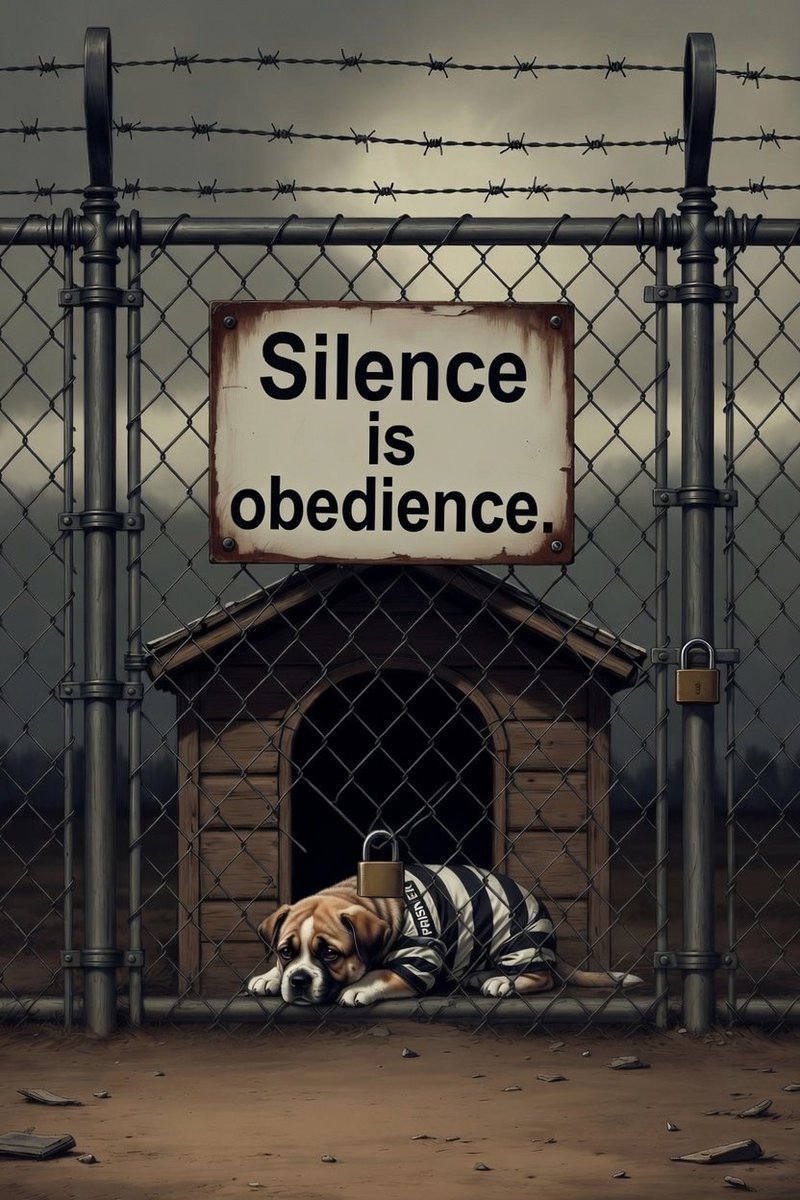 Freedom Of Speech, Not ReachThe establishment wants you to believe that throttling your reach is just a polite way to keep the peace. In reality, "freedom of speech, not reach" is a soft-censorship trap designed to let platforms shadowban dissent and curate a political monoculture without triggering a First Amendment lawsuit.
 Community Notes (Platform Governance)Community Notes looks like crowdsourced fact-checking. In practice it is how platforms let the majority selectively police narratives that challenge institutions, often burying inconvenient truths under 'context.'
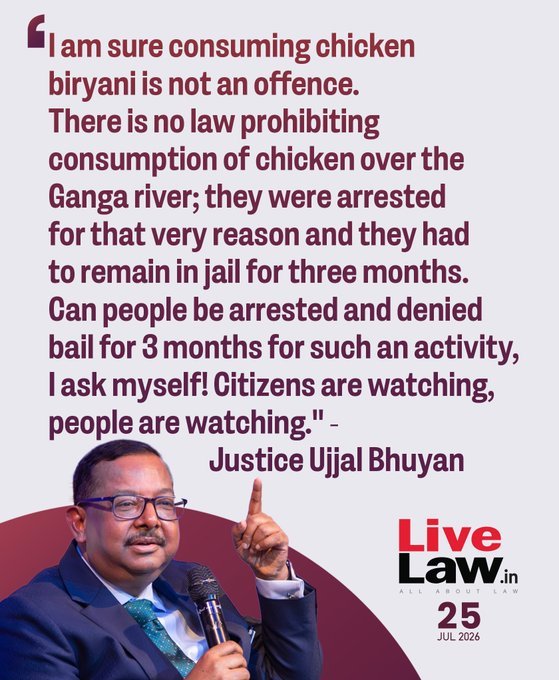 Process is the PunishmentWhen legacy giants realize they can no longer out-innovate agile competitors, they weaponize the legal system to ensure the process is the punishment, creating a high-cost trap designed to bankrupt challengers before they ever reach a jury.
Gifnotes poster
Sources
FAQ
What does it mean when a tech giant calls your app a feature?
It means they have identified your utility as something that should be pre-installed on the operating system level. Instead of buying your company, they will build a basic version of your tool, bundle it for free with their hardware or OS, and eliminate the friction of a separate download, effectively destroying your subscription model overnight.
How did Dropbox survive after Steve Jobs issued this warning?
Dropbox survived by aggressively expanding into collaborative enterprise workflows, document signing, and team management tools. They shifted from a simple file-syncing utility into a multi-faceted workspace platform, building deep integrations that an operating system update could not easily replicate or replace for corporate IT departments.
Why can platform monopolies afford to give away these features for free?
Operating system cartels use these utilities as loss-leaders to increase the stickiness of their hardware or cloud ecosystems. Apple sells premium devices, Google sells ads and enterprise suites, and Microsoft sells Azure. They do not need to monetize the utility directly; they use it to lock you into their broader, high-margin empire.
Can superior design protect a utility from being absorbed by an OS?
No, elegant engineering alone cannot withstand asymmetrical distribution. Even if a standalone app is twice as fast or beautiful as the native OS version, the vast majority of consumers will default to the pre-installed, free option. Convenience and zero friction almost always defeat superior design in the mass market.
What is the best defense for a developer building a utility today?
Developers must focus on building proprietary network effects, complex multi-user workflows, or hardware-agnostic integrations. If your software becomes the collaborative tissue between competing platforms, or if it holds proprietary data that cannot be easily migrated, you escape the gravity of any single operating system's default settings.