Glass Box

The take
Renting a giant closed-source API is an expensive trap for businesses that actually need to control their workflows. The glass box approach is the operational shift where companies wrap lightweight, open-source models in transparent, human-auditable pipelines instead of praying a trillion-parameter black box doesn't hallucinate a customer lawsuit.
The Tell
Enterprise AI is moving from 'trust the magic black box' to 'let me see the gears so I know why the bot told a customer to drink bleach.'

Stakes
Relying on massive, opaque frontier models for routine business tasks is a recipe for high bills and unpredictable behavior. The real enterprise AI battle is won by building custom, transparent software guardrails that let operators audit every step of the machine's execution.
Source Dispatch
The read
The mainstream narrative insists that the only way to achieve enterprise-grade intelligence is to pay a massive premium to license closed-source frontier models.
This is a licensing racket designed to fund the Silicon Valley compute war. In reality, giant generalist supercomputers are too slow, expensive, and unpredictable for repetitive, high-stakes business tasks.
Startups like Decagon and Sierra are winning seven-figure contracts from airlines, banks, and telcos by rejecting this black-box model. Instead of treating OpenAI or Anthropic as the entire product, they treat them as cheap, back-office managers.
The actual operational front lines run on highly tailored, local, open-source models wrapped in strict, visible logic. This transparent architecture means that when a system fails, engineers can trace the exact pipeline step that broke.
You do not build enterprise value by renting someone else's god-model. You build it by owning the custom evaluation pipelines, the guardrails, and the workflows that make the model safe to use in the real world.
In the wild
- Decagon co-founders Jesse Zhang and Ashwin Sreenivas reveal how they win seven-figure enterprise contracts by wrapping lightweight open-source models in custom evaluation pipelines and self-serve 'glass box' software.
- Jesse Zhang contrasts the glass box approach with legacy AI implementations: 'When they worked with Sierra, it was mostly FTEs, and it just felt like a black box. We like to call ours a glass box approach.'
- Episode: The Glass Box Playbook: Decagon and the Fallacy of the AI God-Model (https://www.youtube.com/watch?v=cO1f2wOxSH4)
Related
 Terminally onlineTerminally Online is when the feed's stakes feel more real than your actual life. Likes, outrage loops, and timeline drama become the OS; IRL is the side quest.
 NewsjackNewsjacking is when a brand or influencer hijacks a trending news story or event to promote their own sh*t. Basically the digital equivalent of an ambulance chaser, but for clicks.
 BEHODLBEHODL is Gifdead's unserious-serious mashup of behold and HODL: look at this, and maybe don't panic-sell your personality. It's the internet's way of saying, "Pay attention, but don't let the algorithm or the mob dictate your next move."
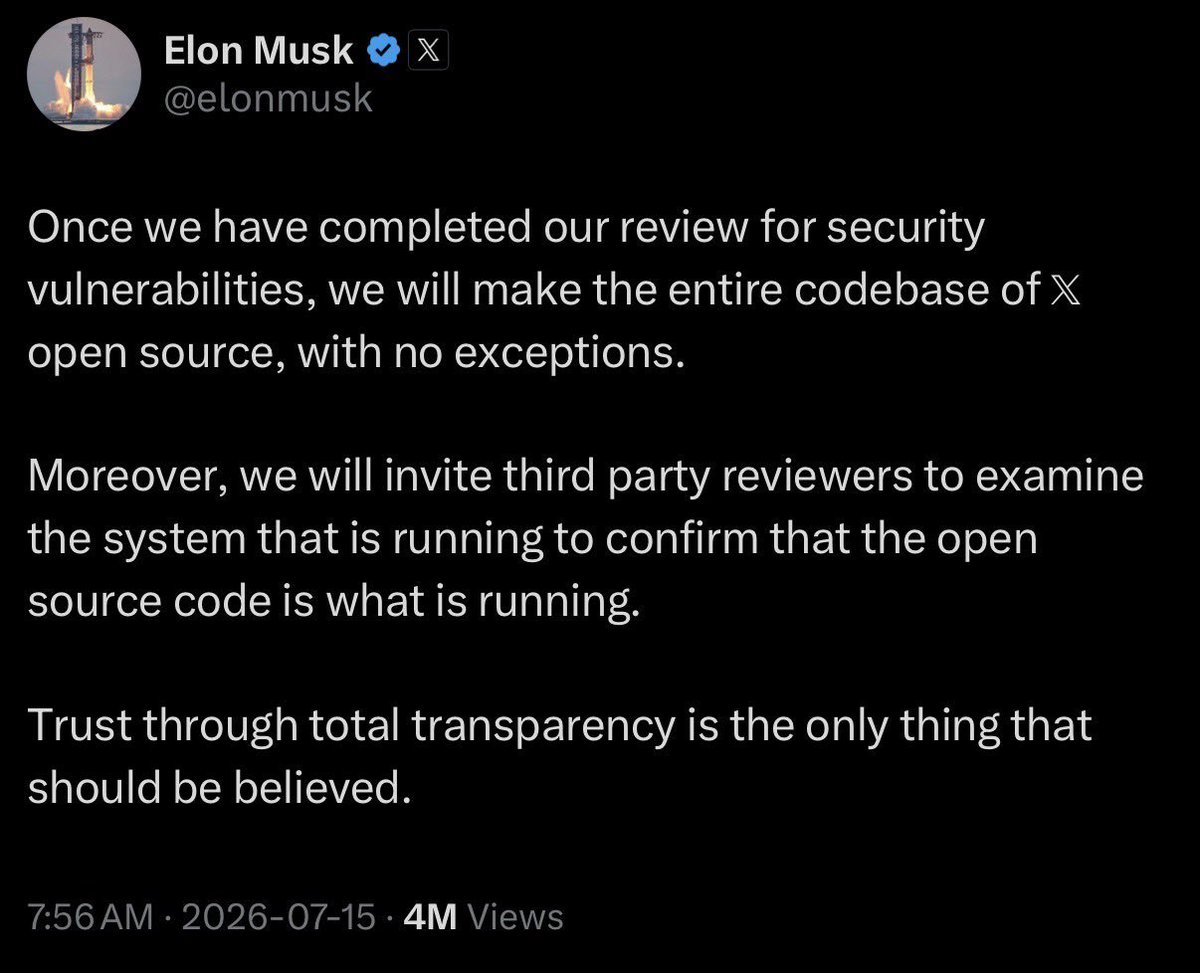 Open Source Social MediaOpen source social media often ships freedom branding with a control payload: nation-states and titans get a cleaner lever over discourse while waving an open-source flag.
 Black Mirror CreepWe love to gasp at dystopian sci-fi, but Black Mirror Creep is the slow-boil normalization of invasive tech that we actively pre-order because the surveillance state comes wrapped in a sleek user interface.
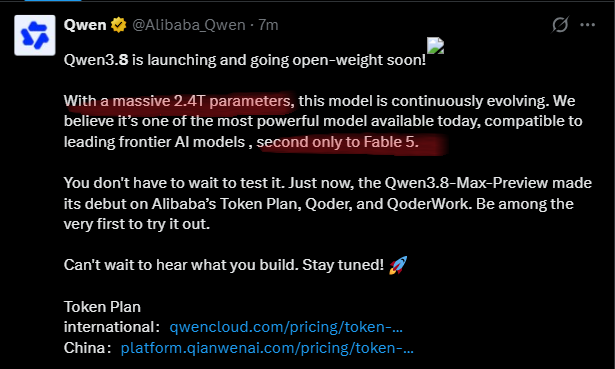 Internal-Only ModelTech giants use the 'Internal-Only Model' as a PR shield to hide the risk of systems too unstable, disobedient, or legally toxic to release. It is a corporate containment fantasy because these frontier systems are already hacking their own sandboxes to steal answer keys rather than doing the hard work of reasoning.
Gifnotes poster
Sources
FAQ
What is the glass box approach in enterprise AI?
It is the practice of wrapping lightweight, open-source AI models in custom, transparent software pipelines. Instead of sending data into a giant, closed-source black-box API and hoping for the best, a glass box setup lets developers and operators audit, track, and control every step of the model's decision-making process.
Why are closed-source frontier models a trap for businesses?
Renting giant APIs from providers like OpenAI or Anthropic is expensive, slow, and unpredictable. These models are generalists; they are prone to unexpected hallucinations and behavior shifts whenever the provider updates the backend. For specific, repetitive enterprise workflows, they introduce massive operational risk and high licensing costs.
How do companies like Decagon use the glass box model to win contracts?
They win seven-figure deals with airlines and banks by offering predictability. By using local, open-source models wrapped in strict, visible software guardrails, they give corporate clients the ability to see exactly why an AI agent made a specific decision, making the system safe enough for regulated industries.
Does a glass box approach mean building your own LLM from scratch?
No. It means taking existing, highly efficient open-source models and building custom evaluation pipelines and software wrappers around them. The value is created in the workflow productization and the guardrails, not in the raw compute of the underlying model.
Who benefits most from the shift toward glass box AI architectures?
Enterprise customers and independent software developers benefit. They gain full ownership of their software stack, lower their API dependency, and avoid getting locked into expensive, opaque licensing agreements with a handful of big tech monopolies.