Low-Stake Reps

The take
The corporate ladder is littered with performers who freeze the moment the spotlight gets hot because they skipped the quiet, boring grind of low-stake reps.
The Tell
If you can only perform when there is an audience to clap, you are running a theater department, not building a skill.

Stakes
Relying on public validation to build a career is a high-risk trap: true confidence is forged in invisible, low-risk environments where you can fail without a crowd watching.
Source Dispatch
The read
The mainstream advice treats low-risk repetitions as a safe, gentle sandbox for beginners to find their footing. It sounds comforting, but it misses the real filter.
The quiet execution of thousands of presentations, emails, and client meetings behind closed doors is actually a grueling test of discipline. It is where you find out if you actually want to master the craft or if you just want the applause.
Career grifters hate this phase because it lacks the cheap dopamine of public validation. They demand immediate visibility, executive spotlight, and promotions based on mere participation, mistaking public posting for actual skill acquisition.
Meanwhile, elite operators quietly accumulate volume in controlled, low-risk environments first, building the muscle memory required to survive high-stakes pressure. When the stage finally gets big, the difference is obvious.
The performer who only practiced when an audience was clapping instantly panics under real scrutiny. The operator who logged their hours in the dark treats the high-stakes moment like just another routine day at the office.
In the wild
- His early mentors forced him to execute thousands of presentations, emails, and client meetings before performing on high-stakes, public stages.
- The risk of freezing under high-stakes pressure can be mitigated by accumulating volume in controlled, low-risk environments first.
- Chamath Palihapitiya: If you try to find some like pithy sentence to guide you in your corporate journey, you're going to fail. You have to have situational awareness.
- Episode: Chamath Palihapitiya on the Mechanics of Confidence and Peer Envy (https://www.youtube.com/watch?v=tpvkWTJZ1lo)
Related
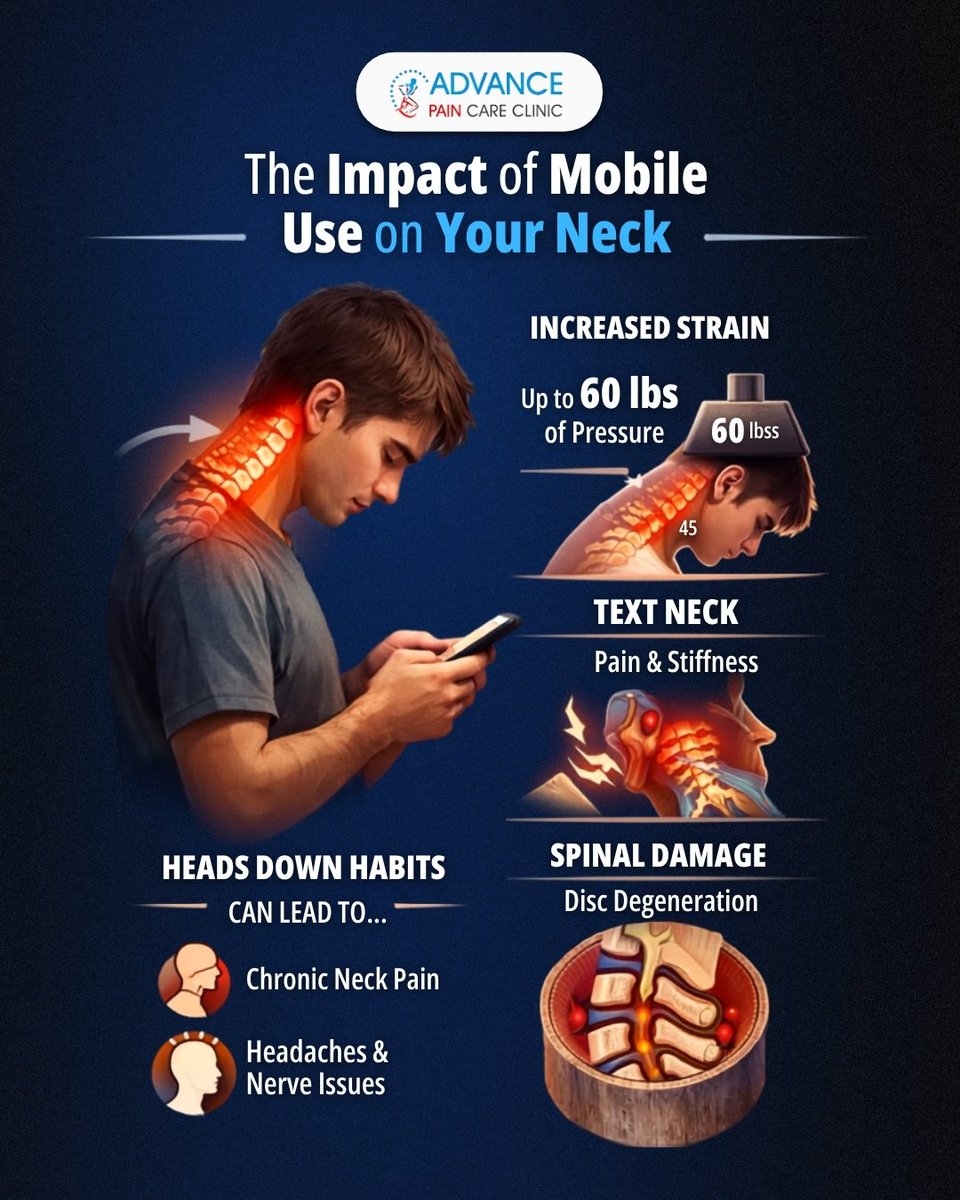 Turkey NeckingApps trained you to stare at your lap. Turkey necking is what that costs in a room: chin down, eyes offline, already looking like you lost.
 Terminally onlineTerminally Online is when the feed's stakes feel more real than your actual life. Likes, outrage loops, and timeline drama become the OS; IRL is the side quest.
 NewsjackNewsjacking is when a brand or influencer hijacks a trending news story or event to promote their own sh*t. Basically the digital equivalent of an ambulance chaser, but for clicks.
 BEHODLBEHODL is Gifdead's unserious-serious mashup of behold and HODL: look at this, and maybe don't panic-sell your personality. It's the internet's way of saying, "Pay attention, but don't let the algorithm or the mob dictate your next move."
 Fraud as Low-Hanging FruitPoint at the easy scams, clap for competence theater, ignore the systemic waste eating trillions. Fraud as Low-Hanging Fruit is the government's favorite distraction magic.
 Everyone Has Their Own VietnamPolished credentials and bureaucratic checklists work perfectly until you hit the asymmetric chaos of a real crisis. Everyone Has Their Own Vietnam is the moment your top-down authority collapses under raw, unscripted reality, forcing you to either hold your ground on pure, unglamorous habit or watch your paper-thin status get swept away by the terrain.
Gifnotes poster
Sources
FAQ
Is this just another term for basic practice?
No. Basic practice often focuses on theory, while these repetitions require real, live execution where the consequences of failure are deliberately kept near zero so you can build raw volume.
Why do people avoid this method?
Because it is boring and invisible. Modern careerists want the status of the stage immediately, and doing the quiet work without an audience to clap feels like wasted effort to them.
How do you know if you have done enough of them?
When a high-pressure situation feels like a routine chore rather than a performance, your subconscious competence has officially taken over.