
Safetyism

The take
The administrative class wants you to believe they are protecting fragile minds from harm, but safetyism is the ultimate compliance trap that trades human agency for permanent bureaucratic expansion. When emotional safety becomes a regulated right, the price is the systematic dismantling of free speech and personal resilience.
The Tell
Safetyism: bubble wrap for your feelings, a permanent leash for your freedom.

Stakes
Safetyism transforms normal human friction into a workplace hazard, creating an endless demand for administrative referees. By treating words as violence, it establishes a permanent protection racket where HR departments and trust-and-safety committees hold veto power over independent thought.
Source Dispatch
The read
The mainstream narrative frames safetyism as a compassionate, hyper-vigilant overcorrection by well-meaning educators trying to shield a fragile generation from real-world trauma. It sounds like empathy, but the incentives tell a completely different story.
It is a highly profitable compliance engine designed to manufacture fragile victims, thereby justifying the endless hiring of diversity deans, speech-code monitors, and administrative oversight boards. When emotional discomfort is treated as a safety hazard, the Socratic method dies.
Universities and corporate offices stop being arenas for testing difficult ideas and instead become high-liability daycare centers.
The moment you allow a credentialed bureaucrat to define what makes people feel safe, you hand them the keys to censor any speech that challenges their authority or budgets.
To survive this environment, you have to reject the premise that disagreement is danger. True resilience is built through exposure to friction, not by wrapping the world in administrative bubble wrap.
The next time a committee offers to protect you from uncomfortable ideas, remember they are not guarding your mental health, they are expanding their own payroll.
In the wild
- University DEI offices expanding administrative budgets by classifying intellectual disagreement as an emotional safety violation.
- Corporate HR speech guidelines treating normal workplace friction as a psychological hazard requiring mandatory mediation.
- Trust-and-safety committees on digital platforms weaponizing safety policies to shadowban independent journalists and political dissent.
Related
 Terminally onlineTerminally Online is when the feed's stakes feel more real than your actual life. Likes, outrage loops, and timeline drama become the OS; IRL is the side quest.
 AI SlopPlatforms pay for volume, so the machine floods your feed with filler until the real stuff drowns. That sludge is AI slop.
 NewsjackNewsjacking is when a brand or influencer hijacks a trending news story or event to promote their own sh*t. Basically the digital equivalent of an ambulance chaser, but for clicks.
 SaaspocalypseThe joke stopped being a joke. Vibe-coded custom tools are eating the monthly SaaS stack one workflow at a time. That slaughter is Saaspocalypse.
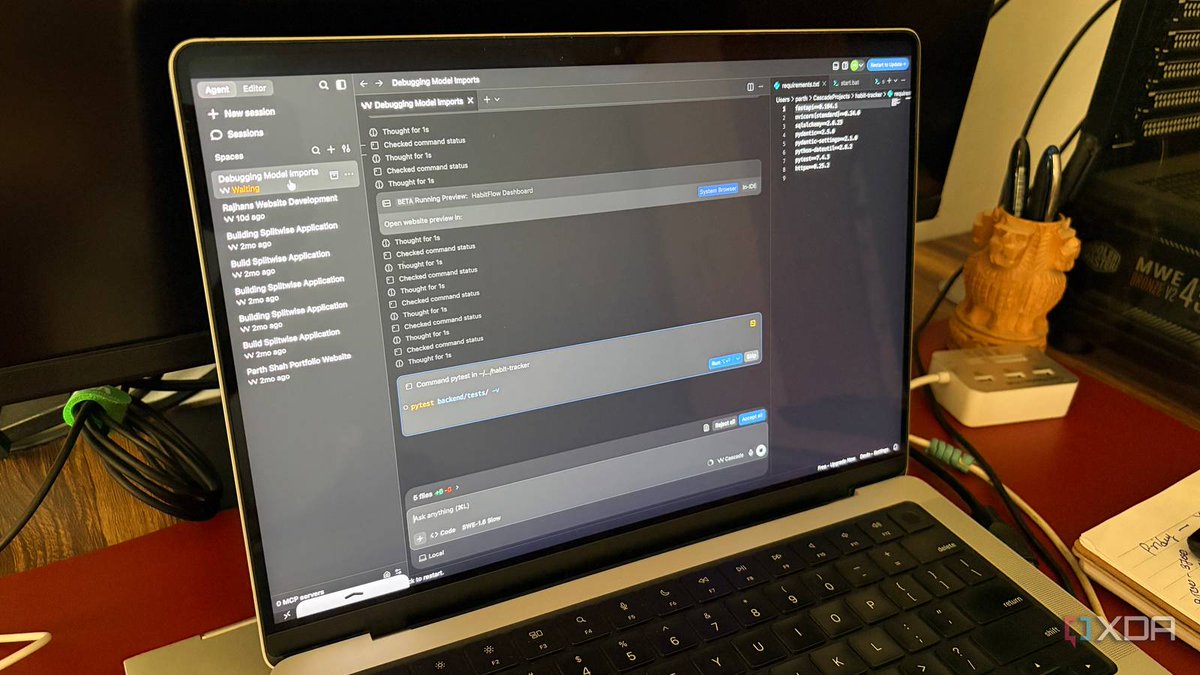 Vibe CodingVibe coding was sold as everyone becoming a software mogul. What it actually does is liquidate entry-level coding jobs and leave the high-agency architect as the only adult in the room who can debug the beautiful mess a model spat out in three seconds.
 FemcelThe soft Femcel profile is a dating-market sob story. The expensive version staffs HR and the NPC compliance layer: programmable empathy aimed at MS-13 and radical Islamists, billed as care.
Gifnotes poster
Sources
FAQ
How did safetyism transition from physical protection to speech control?
It expanded by redefining the word safety. Once physical safety standards were successfully established, administrative bodies applied the same regulatory framework to emotions and language, turning uncomfortable ideas into actionable hazards.
Who benefits most from the rise of safetyism?
The credentialed managerial class. Every new safety concern requires a new policy, a new training seminar, and a new compliance officer, turning administrative expansion into a self-funding industry.
How do you push back against safetyism in a professional setting?
By insisting on objective standards of performance and merit rather than subjective feelings of comfort, and by refusing to use the therapeutic vocabulary designed to trigger HR interventions.