
Textbook Campaign

The take
The progressive political apparatus has traded functional results for aesthetic projection, running a focus-grouped theater production where brand aesthetics completely replace executive competence. Falling for a Textbook Campaign is a dangerous trap because it treats identity-matching, celebrity endorsements, and polished teleprompter scripts as substitutes for the actual ability to govern.
The Tell
A billion dollars in donor cash just to buy a front-row seat to your own eviction.

Stakes
When a political movement treats campaigns as pure media production, the cost is a complete collapse of executive competence. Voters are asked to buy a highly produced vibe shift while the actual machinery of governance is handed over to unelected consultants, state-subsidized monopolies, and bureaucrats who cannot manage a basic economic reality.
Source Dispatch
The read
The modern progressive campaign has devolved into a high-budget theater department.
We are treated to candidates who recycle Barack Obama's 2007 rhetorical cadences, shift into focus-grouped regional accents depending on the audience, and burn through a billion dollars of donor cash in record time while failing basic, unscripted competency tests.
The machinery relies entirely on the assumption that if the lighting is soft enough and the celebrity endorsements are loud enough, nobody will ask about the actual track record. To be fair, the consultants running this playbook are highly skilled at what they do.
They have perfected the art of narrative control, turning political campaigns into frictionless, multi-platform content engines that can mobilize millions of voters on pure vibe alone. If politics were merely a branch of the entertainment industry, this would be the gold standard of execution.
But the illusion always shatters at the touch of real-world friction.
Whether it is party insiders quietly plotting a sacrificial 2028 run for Kamala Harris to permanently purge her from national politics, or local organizers cheering the destruction of immigrant-owned bodegas to make way for state-funded monopolies, the theater cannot hide the decay.
When the cameras turn off, you are left with a drained treasury, a hollowed-out city, and leaders who cannot function without a script.
In the wild
- Democratic party insiders quietly float a sacrificial 2028 presidential run for Kamala Harris to permanently clear her from the national ticket after she lost every single swing state despite spending a billion dollars in 107 days.
- Alexandria Ocasio-Cortez adopts a southern-preacher accent and clones Barack Obama's 2007 rhetorical scripts during a speech to a Black audience in Memphis.
- Progressive groups in Maine back a Senate candidate whose public campaign materials confused routine colonoscopy referrals with biological menstruation.
- Socialist organizers in New York openly cheer the destruction of local, immigrant-owned bodegas by state-funded, non-profit grocery monopolies.
- Episode: Kamala's '28 Sacrificial Play, AOC's Accent Shift, & the Managed Reality of Executive Decline (https://www.youtube.com/watch?v=AbORFsVnYfA)
Related
 Terminally onlineTerminally Online is when the feed's stakes feel more real than your actual life. Likes, outrage loops, and timeline drama become the OS; IRL is the side quest.
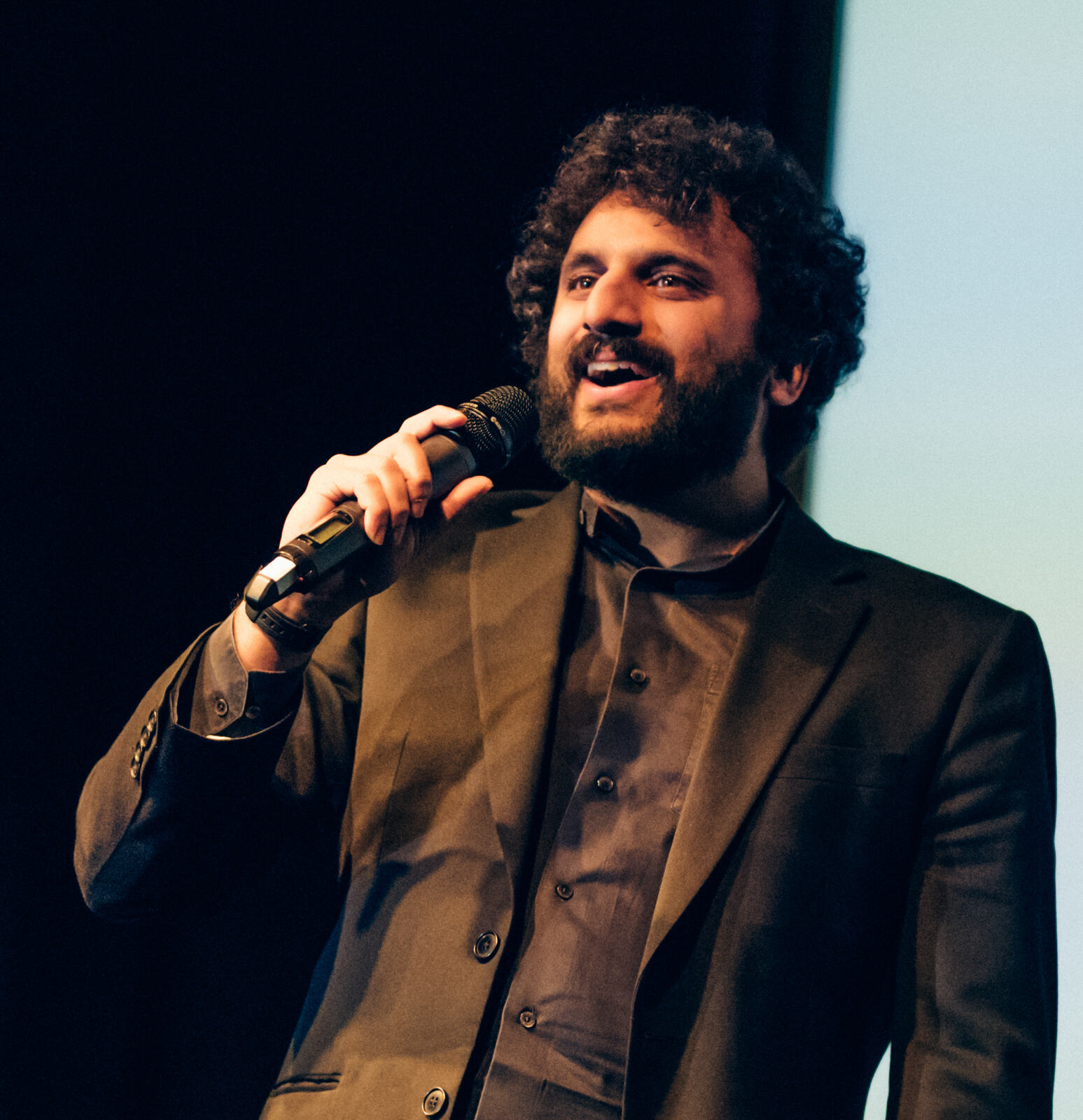 NewsjackNewsjacking is when a brand or influencer hijacks a trending news story or event to promote their own sh*t. Basically the digital equivalent of an ambulance chaser, but for clicks.
 BEHODLBEHODL is Gifdead's unserious-serious mashup of behold and HODL: look at this, and maybe don't panic-sell your personality. It's the internet's way of saying, "Pay attention, but don't let the algorithm or the mob dictate your next move."
 Curiosity TrapMarketers and cult leaders open a knowledge gap on purpose so you cannot look away until they close it. Curiosity Trap is that hijack of your attention budget, sold as engagement craft.
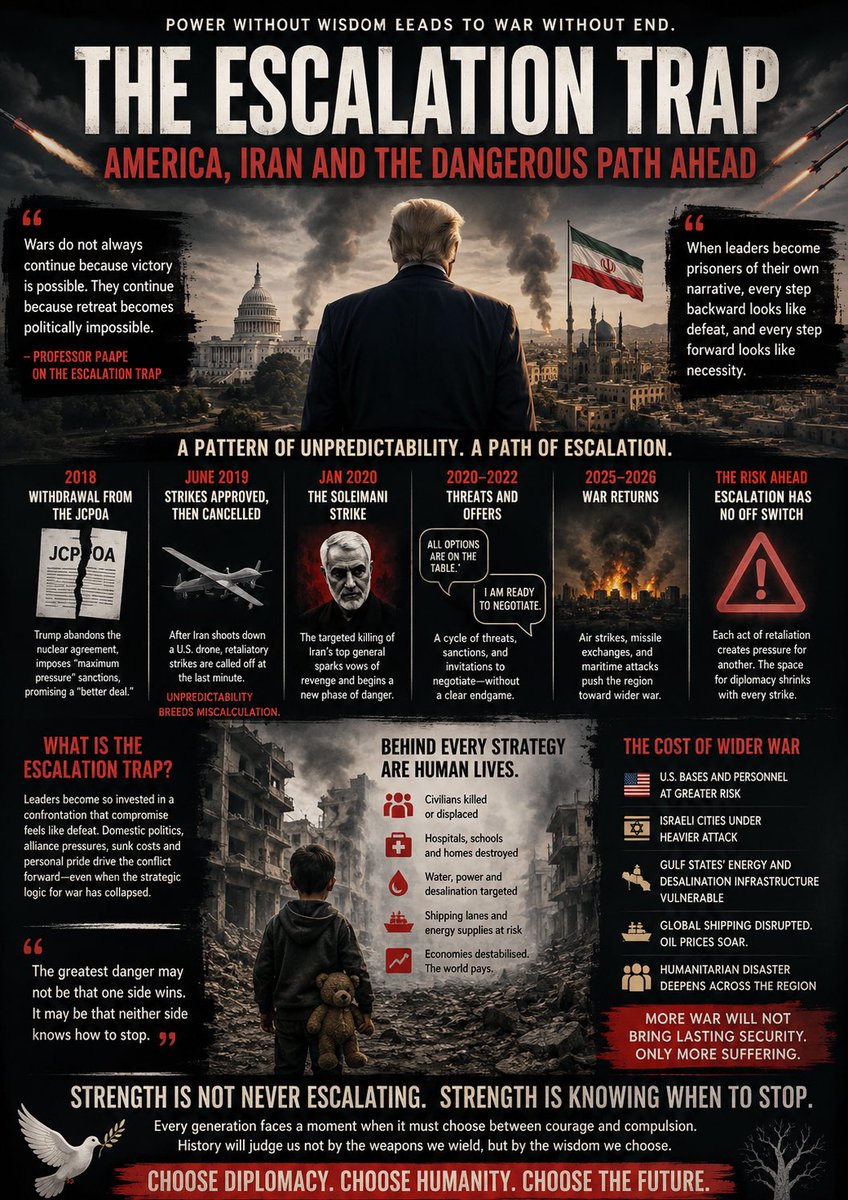 Escalation TrapDemocratic leaders caught in the Escalation Trap will consistently gamble with systemic global economic ruin rather than accept the domestic political suicide of owning a loss on the world stage. It is the structural reality where career politicians double down on losing, trillion-dollar proxy wars because their personal brand cannot survive a ten-second news segment about surrender.
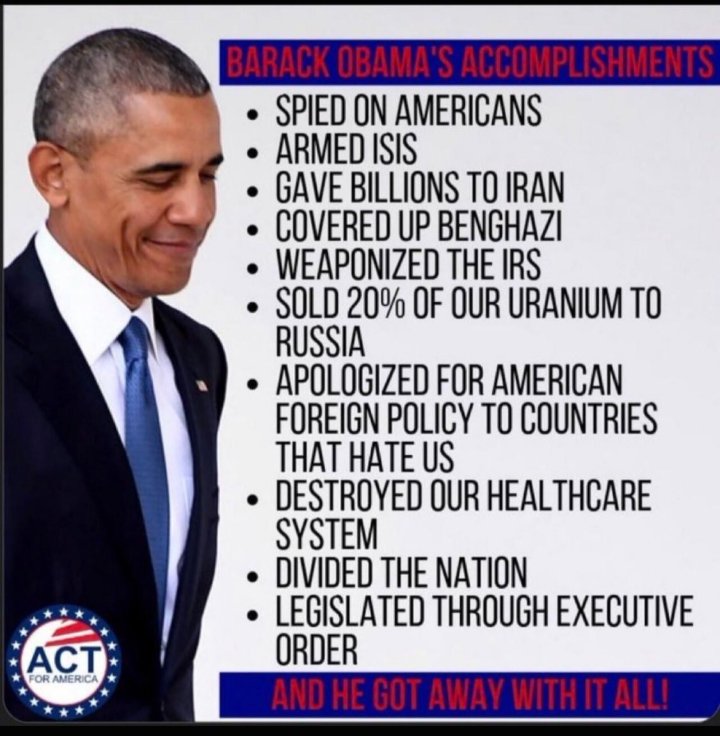 Apology TourParty elites use the modern Apology Tour as a controlled political demolition, forcing failed candidates to parade their losses publicly to ensure they are permanently housebroken. The trap is letting them burn another billion dollars of donor cash just to guarantee they never show up on a national ballot again.
Gifnotes poster
Sources
FAQ
What are the warning signs of this focus-grouped political strategy?
Look for candidates who rely entirely on highly produced, short-form video clips, celebrity-heavy rallies, and strictly controlled media environments. When a politician refuses to do unscripted interviews, shifts their accent based on the zip code they are visiting, or speaks exclusively in focus-grouped platitudes, they are running a theatrical production rather than presenting a platform.
Why do political parties spend billions on these highly produced campaigns?
The progressive consultant class has built a massive, self-sustaining financial ecosystem that profits off donor panic and media buys. By turning elections into high-stakes cultural entertainment, they can extract billions of dollars from donors to fund a permanent class of media strategists, pollsters, and influencers, regardless of whether the candidate actually wins or can govern effectively.
How does this theatrical approach affect actual policy and governance?
When aesthetic alignment is the only metric that matters, basic executive competence is treated as an afterthought. This leads to disastrous real-world outcomes, such as backing candidates who do not understand basic biological or medical realities, or implementing economic policies that destroy local, independent businesses in favor of inefficient, state-subsidized monopolies.
What is the sacrificial strategy behind planning a future run for a failed candidate?
Party insiders sometimes encourage a highly visible, doomed campaign to permanently exhaust a candidate's political capital. By letting a controversial or incompetent figure run and lose in a controlled environment, the party establishment can clean the slate and transition to new leadership without triggering a civil war among their activist base.
How can voters cut through the polished media production?
Demand unscripted, long-form interactions and look at concrete, historical results rather than campaign promises. A candidate who cannot handle a basic, adversarial Q&A session without a teleprompter or a pre-screened list of questions is showing you that their entire platform is a hollow brand projection.