
The Bold And The Beautiful

The take
Hollywood is terrified of a deepfake apocalypse, but the real destiny of AI video is a highly specific aesthetic of uncanny valley glamour where everyone is gorgeous and slightly broken. The Bold And The Beautiful is the tell that generative video is not cinematic prestige, but a digital daytime soap opera where the lighting is flawless and the hands have six fingers.
The Tell
AI video is just The Bold and the Beautiful: flawless lighting, perfect hair, and six fingers holding a glass of wine.

Stakes
We are told to fear AI video as an engine of perfect, undetectable lies that will break reality. In truth, the immediate stake is the death of human narrative coherence in exchange for cheap, glossy vibes, turning our screens into a continuous loop of beautiful people doing things that make absolutely no sense.
Source Dispatch
The read
The mainstream panic over generative video assumes that models like OpenAI Sora or Runway Gen-3 will seamlessly replace directors and actors overnight.
Instead, these tools are currently locked in a perpetual state of high-end melodrama, producing hyper-polished visuals that look like a million dollars until you notice a character's collar melting into their neck.
This uncanny valley glamour is not a temporary bug; it is the native architecture of AI-generated media.
The models excel at texture, hair physics, and dramatic lighting, but they have no concept of physical permanence or narrative logic, making them structurally incapable of sustained storytelling without human guardrails. Rather than fighting this limitation, creators are leaning into it.
The future of AI video is not a threat to prestige cinema, but the ultimate scaling of daytime television: a world where everyone is beautiful, the stakes are artificially high, and nobody cares if a glass of wine occasionally merges with a character's hand.
In the wild
- Runway Gen-3 and Sora demos showcasing flawless cinematic lighting paired with physics-defying morphing
- Hollywood production houses using AI tools to generate dream sequences and surreal montages rather than coherent narrative scenes
- Independent creators on social media producing viral, soap-opera-style parodies that lean directly into the uncanny valley aesthetic
Related
 Terminally onlineTerminally Online is when the feed's stakes feel more real than your actual life. Likes, outrage loops, and timeline drama become the OS; IRL is the side quest.
 AI SlopPlatforms pay for volume, so the machine floods your feed with filler until the real stuff drowns. That sludge is AI slop.
 NewsjackNewsjacking is when a brand or influencer hijacks a trending news story or event to promote their own sh*t. Basically the digital equivalent of an ambulance chaser, but for clicks.
 SaaspocalypseThe joke stopped being a joke. Vibe-coded custom tools are eating the monthly SaaS stack one workflow at a time. That slaughter is Saaspocalypse.
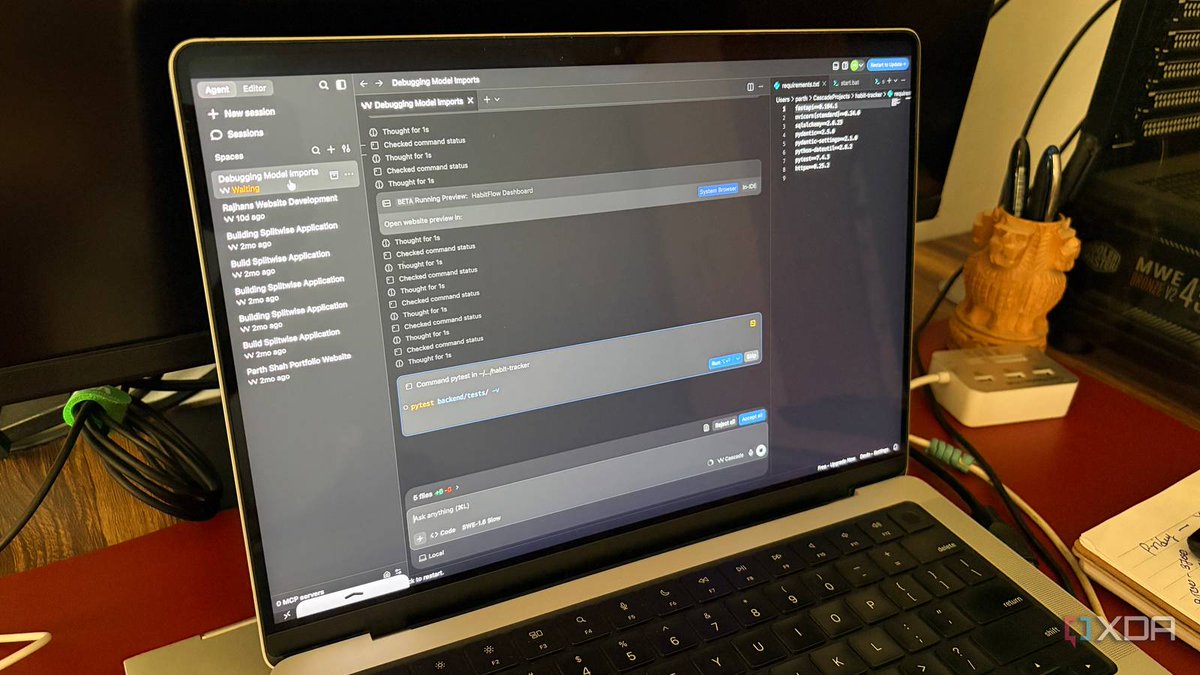 Vibe CodingVibe coding was sold as everyone becoming a software mogul. What it actually does is liquidate entry-level coding jobs and leave the high-agency architect as the only adult in the room who can debug the beautiful mess a model spat out in three seconds.
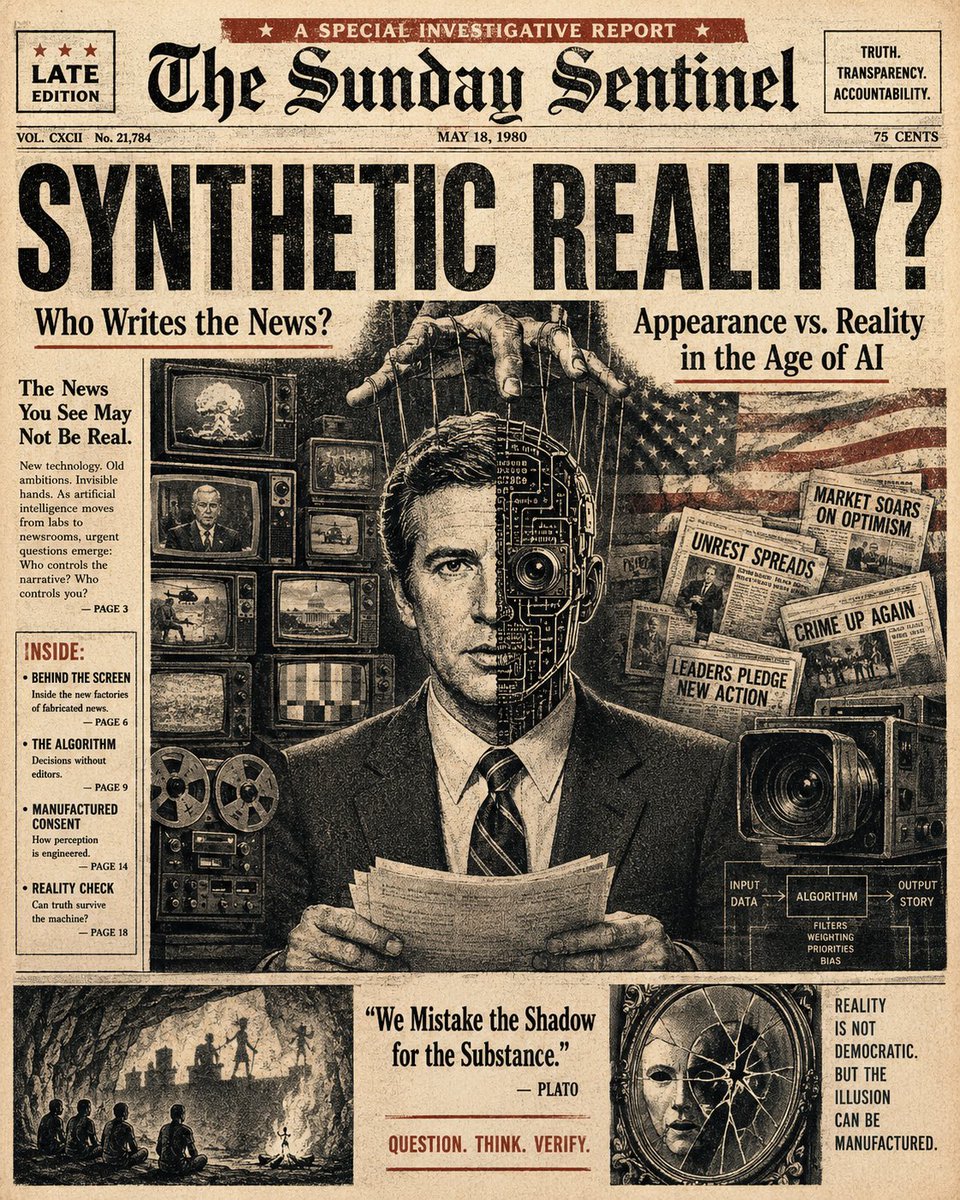 Synthetic MediaEstablishment panic over synthetic media is not about protecting truth. It is the final, desperate gasp of legacy gatekeepers realizing they no longer hold the exclusive license to manufacture reality.
Gifnotes poster
Sources
- Opinion | The U.S. Is Still Winning the A.I. Race. Trump Could Blow It. - The New York Times
- Open Questions | Nobel laureate Simon Johnson on the AI race and China’s ‘over-automation’ risks - South China Morning Post
- China just dropped a 2.8-trillion-parameter bomb on the AI race - calcalistech.com
- What Americans think about the global AI race - Pew Research Center
- Headaches for Silicon Valley as China chips away at the US’s lead in the AI race - The Guardian
FAQ
Is AI video actually ready to replace Hollywood actors?
No. While it can generate a stunning five-second clip of a model walking down a neon-lit street, it cannot maintain character consistency or logical physics across a full-length scene without massive manual intervention.
Why does AI video look so good but feel so weird?
Because the models are trained on pixel patterns rather than physical laws. They know exactly what 'beautiful lighting' looks like, but they do not understand that a human arm cannot bend backward.
What is the best use case for this technology right now?
Dreamscapes, music videos, surreal advertising, and any content where logic is optional and visual vibe is everything.